A crack in the plaster or a window that won’t quite close can look like ordinary wear, but small details like these are often the first sign that something bigger is developing in a home. Most properties pick up a few of these quirks, and most turn out harmless. What matters is spotting the ones worth watching, since damp, movement and hidden leaks show themselves in small ways long before they get expensive.
Some sit in plain view, while others turn up as a smell, a sound or a light behaving oddly. None prove a problem alone, but knowing what usually causes each one makes it easier to judge whether a quick fix will do.
Cracks That Keep Coming Back
Most homes pick up a hairline crack somewhere, often near a door frame, usually just plaster drying or seasonal movement. The cracks worth watching run diagonally and widen at the top. Cracks caused by ground movement are typically wider than a ten pence coin and thicker at the top than the bottom, especially near a window or door opening. A crack that keeps returning, or comes with a door that won’t close, is worth a structural engineer’s opinion.
Condensation That Won’t Ease Off
Condensation on windows during winter mornings is common, since cooking, showering and drying laundry add moisture to the air, and it clears with a squeegee or an extractor fan. Housing teams looking after large numbers of properties are trained through courses such as damp and condensation training social housing to judge whether mould in a corner comes from ordinary living or a blocked airbrick. Mould returning to the same spot, or in a rarely used room, points to a building defect.
A Musty Smell That Won’t Shift
A musty smell that lingers after cleaning and airing usually means moisture somewhere hasn’t been dealt with, even before any staining shows, and it’s strongest in spots like under-stairs cupboards. Mould releases chemical compounds as it breaks down damp wood, paper or fabric, which is why the smell often turns up before any marks appear. A smell that keeps returning is usually the first clue, not the last.
Doors and Windows That Stick
A door or window that sticks in humid weather and eases once the air dries is just timber responding to moisture, and a light sand sorts it out. Sticking that doesn’t ease off, or worsens over months, points to the frame rather than the wood, often because the wall has shifted slightly. Whether it tracks the seasons or stays constant tells you which is more likely.
Lights That Flicker or a Fuse Box That Trips Often
An occasional flicker when a washing machine or kettle switches on is usually just a brief dip in voltage. It’s more of a concern when several lights flicker together, or the same breaker trips repeatedly with nothing plugged in. Frequent tripping, warm sockets or a burning smell near a switch point to the wiring itself, and an electrician can usually find the cause with a proper check of the consumer unit.
Slow Drains or Damp Patches Near External Walls
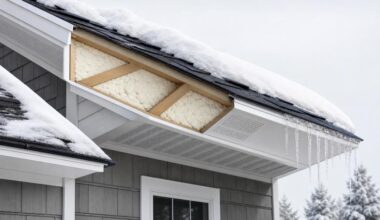
A sink that drains slowly or a downpipe that overflows in heavy rain can seem minor, but both are often early signs of a blockage or crack in the pipework, since water finds the path of least resistance into the nearest wall. A damp patch low on an external wall, especially after rain rather than cold weather, is worth checking against the guttering nearby, since a leaking gutter is often the cheaper explanation.
None of these six signs need to cause alarm alone, and most have a simple explanation once looked into. They rarely appear at random, so a crack, a smell or a flickering light that keeps recurring is usually worth a proper look rather than being covered up.