Solar panel efficiency changes throughout the year, but steady output is possible with the right setup and habits, shares KRS Charlottesville solutions. Heat, cold, dust, pollen, snow, shade, and changing sun angles all affect how much electricity your system can produce on any given day. The good news is that most performance losses can be reduced with practical steps such as proper placement, routine cleaning, regular inspection, and smarter energy use. Whether you rely on a rooftop array or a portable panel for backup power, small adjustments can add up to better year-round results. Understanding what impacts solar generation in each season helps you protect your investment, improve daily performance, and get more usable power from the sunlight available in your location.
What Affects Solar Panel Efficiency Throughout the Year
Seasonal Weather and Environmental Conditions
Seasonal conditions directly shape solar panel performance. In summer, high temperatures can increase electrical resistance inside solar cells, which lowers efficiency even when sunlight is strong. In winter, shorter days and low sun angles reduce total generation hours, but cooler temperatures can help panels convert sunlight more effectively. Rain can rinse away light dust, yet heavy storms may leave grime, debris, or standing dirt along panel edges. Spring often brings pollen that creates a thin film over the surface, while autumn leaves and tree debris can block light and trap moisture. Snow can completely stop production if it covers the cells, although reflective snow nearby may boost output on bifacial designs once the panel face is clear.
Installation Angle, Shading, and Panel Quality
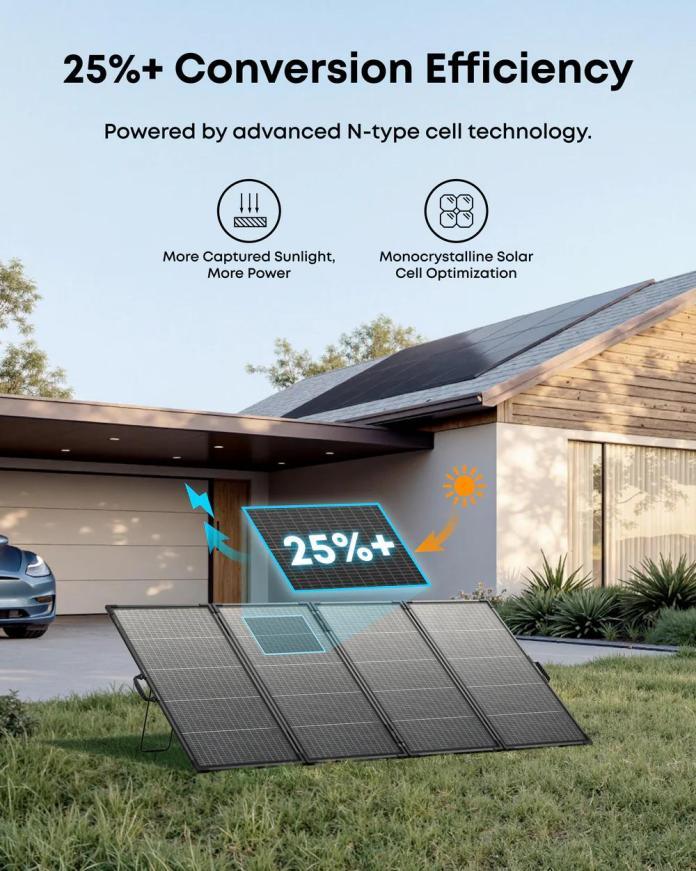
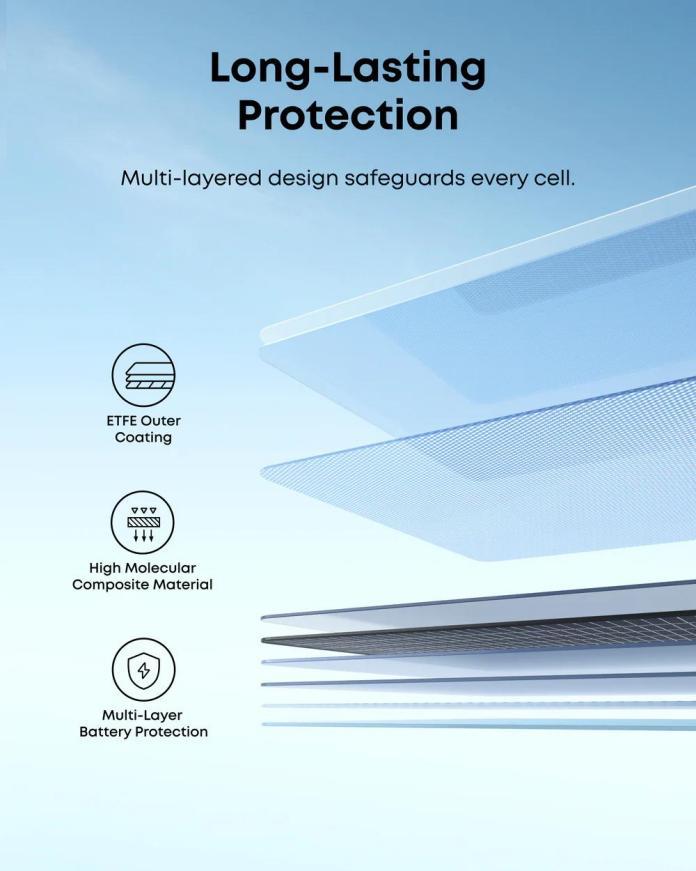
Installation choices strongly influence year-round solar output. Panels work best when positioned to receive maximum direct sunlight for the longest part of the day, and the ideal tilt can shift with latitude and season. Even a small amount of shade from branches, vents, railings, or nearby structures can reduce production across part of a panel or string. Keeping the solar surface free from repeated shade is one of the simplest ways to protect efficiency. Panel quality also matters. Higher-efficiency cell technology, durable materials, and weather resistance support stronger long-term performance. For example, the Anker SOLIX PS400 Bifacial Portable Solar Panel uses N-type cells with 25%+ conversion efficiency, dual-sided output for up to 10% more power, and an IP68-rated design that helps it perform reliably outdoors.
Practical Ways to Boost Solar Panel Performance
Keep Panels Clean and Perform Regular Maintenance
A clean panel surface allows more sunlight to reach the solar cells, so regular maintenance is one of the fastest ways to improve efficiency. Check panels for dust, pollen, bird droppings, leaves, and residue after dry spells, storms, or high-wind days. Wash buildup away with clean water and a soft, non-scratch tool, and avoid harsh chemicals that can damage coatings or frames. Inspect seals, hinges, stands, cables, and connectors while cleaning so small issues do not turn into larger performance losses. Look for corrosion, cracked insulation, loose plugs, or signs of moisture intrusion. During winter, clear snow carefully without scraping the glass. After heavy rain, confirm debris has not collected at the lower edge. A simple inspection and cleaning schedule each season helps keep solar panels working safely, efficiently, and closer to their expected output.
Optimize Placement and Pair with the Right Equipment
Proper placement can raise output without changing the panel itself. Aim for the longest window of direct sun, and adjust tilt when possible so the panel faces the sun more effectively during different seasons. In many setups, midday alignment delivers the strongest return, but checking for morning and afternoon shade is just as important. For portable systems, moving the panel even a few feet can make a meaningful difference if it avoids shadows. Open, bright surfaces such as concrete, sand, or snow can also improve results for bifacial panels by reflecting light onto the rear side. Equipment pairing matters too. Use a charge controller and inverter that match your panel and battery specifications, and keep cable runs appropriately sized to reduce voltage drop. Efficient supporting components help preserve the energy your panels already generate.
Get More Power from Daily Energy Habits
Schedule High-Energy Tasks During Peak Sunlight
Running energy-intensive tasks during peak sunlight helps you use solar power more efficiently. Activities such as charging power stations, running tools, pumping water, or operating appliances place the biggest demand on your system, so it makes sense to schedule them when solar production is strongest. For many setups, that means late morning through mid-afternoon, when sunlight is more direct and the panel can supply more real-time power. This habit reduces how much energy must cycle through batteries, which lowers storage losses and can extend battery life over time. It also leaves more stored power available for evening use, cloudy periods, or emergencies. Even simple changes, such as charging devices earlier in the day, can improve how much usable energy you get from your solar setup.
Monitor System Performance and Upgrade When Needed
Tracking system performance helps you catch efficiency problems before they become expensive or frustrating. Watch for sudden drops in output, slower charging times, unusual battery behavior, or inconsistent performance under similar weather conditions. These signs often point to dirt buildup, shading changes, wiring issues, or aging components. If your usage has increased, your current setup may also be limiting what your panels can deliver in practice. Upgrading a charge controller, replacing worn cables, improving battery capacity, or adding a more efficient panel can increase usable output without a full system redesign. Review seasonal patterns so you know what normal production looks like in summer, winter, and shoulder months. Clear data makes it easier to maintain strong solar performance and invest in upgrades that solve the right problem.
Conclusion
The best way to improve solar panel efficiency year-round is to combine good maintenance, smart placement, and better daily energy habits. Keep panels clean, check equipment regularly, and reduce shade whenever possible. Adjust panel angle when your setup allows it, and make sure your charge controller, inverter, batteries, and cables are properly matched. Use more electricity during peak sunlight hours so less energy is lost through storage and conversion. Just as important, monitor your system often enough to spot falling output early. Seasonal conditions will always influence solar production, but they do not have to control it. With consistent care and a few practical adjustments, you can protect performance in heat, cold, rain, and snow and get more reliable power from your solar setup throughout the entire year.