Creativity is often the engine that drives innovation within organizations, and establishing efficient creative workflows can be a catalyst for success. In fast-paced professional settings, fostering productive, collaborative teams is crucial for delivering standout results. Streamlining creative processes and aligning teams are key objectives for leaders who want to nurture innovation while maximizing project efficiency. For example, using visual collaboration solutions like Lucidchart can help teams structure ideas and tasks, ensuring everyone remains on the same page throughout each project phase.
Creative workflows are structured frameworks that help transform ideas into impactful results, preventing bottlenecks and improving quality. As hybrid and remote work continue to be the norm, having accessible, digitally driven processes empowers teams to collaborate regardless of location, making agile responses possible when markets or requirements shift quickly.
Understanding Creative Workflows
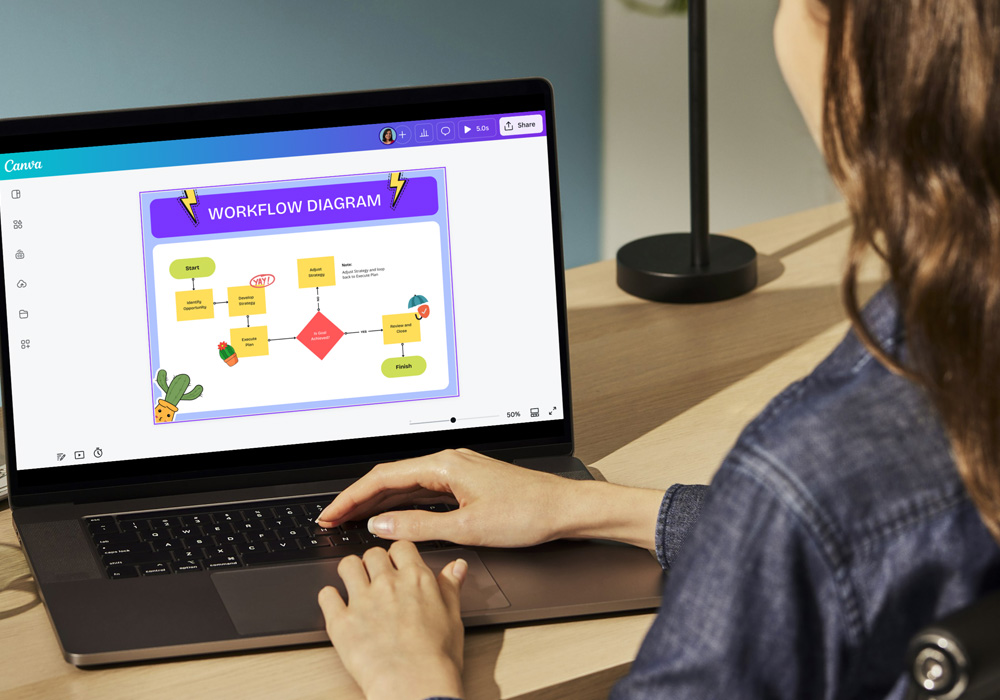
At its core, a creative workflow is a series of interconnected steps that guide a group from the initial idea to the final product. These stages typically include brainstorming, planning, execution, and review. By clearly defining these steps, teams can maintain a standardized quality of output while minimizing confusion. Clear processes make handing off tasks easier and help keep projects on track. Structured creative workflows are especially valuable for agencies, marketing teams, and product designers who regularly collaborate on complex deliverables.
Modern creative workflows must be flexible enough to accommodate iterative thinking yet robust enough to set direction and establish expectations. Flexible digital solutions ensure creative teams can revisit previous work, share updates, and integrate feedback smoothly to create better, more refined deliverables.
Integrating AI into Creative Workflows
Artificial Intelligence is transforming creative processes by automating repetitive or manual tasks, freeing up time for teams to focus on innovation and problem-solving. Collaborative AI tools, such as those offered by Miro, streamline workflow stages like brainstorming, task assignment, and status reporting. Reports show that AI integration can halve project timelines, reducing costs and increasing overall efficiency.
Teams using AI-based content generation or image editing tools spend less time on repetitive design revisions or initial drafts, accelerating the journey from concept to final approval. By leveraging AI for data analysis and insights, creative teams can make informed choices at each workflow stage, improving the quality and effectiveness of their outputs.
Enhancing Collaboration with Digital Tools
In distributed or hybrid work environments, digital tools play an essential role in breaking down collaboration barriers. Adobe’s Firefly platform, which enables teams to use custom AI models, helps maintain a consistent style across all visual communications and branding projects. Such tools allow everyone to access, review, and contribute to shared workspaces in real time, ensuring creative alignment even when team members are working from different locations around the globe.
Platforms with integrated chat, shared canvases, and feedback features help teams overcome communication gaps that might slow down progress or lead to misunderstandings. Project management suites like Asana or Trello offer workflow visualization and task-tracking options that keep everyone updated, clarifying who is responsible for each deliverable and when it is due.
Defining Roles and Responsibilities
For any creative workflow to succeed, every participant needs to have a clearly defined role. By assigning responsibilities based on each team member’s unique strengths and expertise, leaders can prevent redundancy, reduce conflicts, and foster accountability. Specialization ensures that critical tasks, such as design approval or content editing, are handled by those best equipped to do so.
Clear communication regarding expectations and deadlines enables contributors to manage their workload effectively and reduces the risk of missed milestones. Managers can create role matrices or responsibility charts to further clarify duties, empowering teams to work in unison and maximize their collective impact.
Implementing Feedback Loops
Continuous improvement relies on robust feedback loops. Scheduling regular review sessions enables teams to identify successes and areas for enhancement, making it easier to address issues before they become problems. Effective feedback processes empower contributors to iterate on their work more efficiently, resulting in higher-quality outcomes over time.
Constructive, timely, and well-documented feedback supports growth, learning, and innovation within teams. Software platforms that offer comment tracking or version history provide valuable context for each suggestion or edit, ensuring that input leads to clear, actionable change.
Overcoming Common Challenges
Even the best workflows are not immune to challenges. Teams often encounter communication breakdowns, difficulties managing remote employees, or resource constraints. Utilizing platforms that integrate with existing systems, such as Mural’s AI-enhanced collaboration features, can help teams avoid bottlenecks and maintain momentum throughout each project stage.
Other obstacles, like shifting priorities or unclear objectives, underscore the importance of continuous training and regular process reviews. Creating a culture open to experimentation, technology adoption, and transparent dialogue is vital to overcoming these hurdles. Insights from resources like Forbes’ advice on successful hybrid working provide actionable strategies for tackling common workflow roadblocks.
Conclusion
Well-defined creative workflows are fundamental for productive teamwork and consistent high-quality results. Integrating the right blend of AI technologies, digital tools, and clear processes allows creative teams to collaborate with greater agility and confidence. By regularly refining their workflows and prioritizing open communication, teams can turn great ideas into outstanding outcomes in a rapidly evolving business landscape.