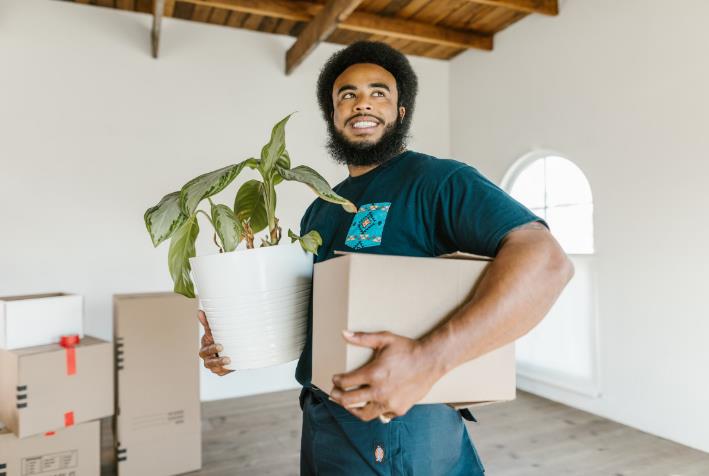
Moving to St. Charles can feel like trying to carry six grocery bags, your phone, and your dignity all at once. The good news is that it gets much easier when you break it into smaller jobs. You don’t need superhero strength or a color-coded command center, though both sound fun. You just need a plan that makes sense. If you handle your move step by step, you’ll save time, avoid last-minute chaos, and give yourself a better shot at landing in your new place without the usual cardboard-box meltdown.
Plan Your Timeline
A smooth move usually starts with one simple idea: don’t do everything in one weekend and hope for the best. Once you know your move date, work backward. Give yourself time for sorting, packing, paperwork, and the million tiny jobs that seem to appear from nowhere.
Try starting room sorting three to four weeks early, especially in spots like closets, basements, and storage shelves. Packing supplies should come soon after. Boxes, tape, markers, and padding always disappear faster than you think. It’s like socks in a dryer, but less magical.
After you’ve set your moving date, compare your options based on your home’s size, budget, and schedule. Moves in and around St. Charles often require a bit of extra planning, especially if you’re coordinating around busy neighbourhoods, seasonal demand, or commuting routes. If you’re weighing professional help, it’s worth comparing local St. Charles movers to find the level of support that best fits your move. Booking early is especially important during the summer, on weekends, and near the end of the month when schedules tend to fill up quickly.
Declutter Before Packing
Packing gets easier when you stop trying to move things you don’t even like. Decluttering before a move saves money on boxes, cuts down loading time, and helps your new place feel less crowded from day one.
Start with easy wins. Pull old coats from the closet that no one has worn in two years. Check the garage for broken tools, mystery cords, and sports gear that’s been retired longer than some athletes. In the kitchen, look for duplicate spatulas, chipped mugs, and gadgets you bought with big dreams and used exactly once.
A simple rule helps. Keep what you use, love, or truly need. Donate items in good shape. Sell things with value if you have time. Toss anything damaged, expired, or too annoying to justify moving. If you’ve got four nearly identical baking sheets, congratulations, you’re running a tiny pan kingdom. You probably don’t need them all.
Pack Room by Room
Packing room by room keeps your move organized and your brain from turning into mashed potatoes. When you mix bathroom items with kitchen utensils and random lamp parts, unpacking becomes a scavenger hunt no one asked for.
Pick one room and finish most of it before jumping to the next. Keep similar items together. Put books with books, towels with towels, and electronics with their cords labeled clearly. Write the room name on each box and add a short note like “everyday dishes” or “desk supplies.” In the future you will be deeply grateful.
Make one essential box for the first night. Include chargers, toiletries, paper towels, medicine, a change of clothes, snacks, basic tools, and anything your family uses right away. If you have kids, add comfort items and favorite bedtime stuff. If you live alone, this still matters. Nobody wants to search through twelve boxes just to find toothpaste and a phone charger at 10 p.m.
Update Home Details
This is the part people forget until a package vanishes into the void or the lights don’t turn on. Updating home details sounds boring, but it prevents a lot of moving-day surprises.
Make a checklist and handle it in batches. Start with your address through USPS Change of Address. Then contact utility companies for electricity, gas, water, internet, and trash service. Try to overlap shutoffs and start dates by a day when possible. That little buffer can save you from sitting in the dark like a Victorian ghost.
Next, update banks, insurance providers, subscriptions, delivery apps, schools, doctors, and your employer. If you get regular pet food or medication shipments, change those too. Double-check any automatic payments tied to your old address. This step isn’t glamorous, but it’s one of the biggest ways you can keep the move from creating a pile of small problems that all show up at once.
Get Moving Day Ready
Moving day runs better when your home is prepared before the first box gets lifted. You don’t need perfection, but a few smart steps can make the whole day safer and faster.
Protect floors in busy walkways with old blankets, cardboard, or temporary floor covering. Set aside jewelry, cash, passports, medication, and important documents so they stay with you instead of getting packed by mistake. It sounds obvious, yet plenty of people accidentally box the one folder they need most.
Confirm parking access for the truck or helping cars, especially if you’re on a tighter street or in a building with restrictions. Keep water, easy snacks, and a few cleaning supplies nearby. A roll of paper towels earns hero status on moving day. If you have young kids or pets, arrange a quiet room, a sitter, or time with family so they stay safe and less stressed while the house turns into organized chaos.
Settle In Faster
The first few days in a new home can feel weird, even when you’re excited. The trick is not to unpack everything at once. Focus on the rooms that make daily life work: bedroom, bathroom, and kitchen.
Get the beds ready first. Then unpack toiletries, basic cookware, dishes, and enough clothes for a few days. Test locks, smoke detectors, light switches, and appliances early. It’s much easier to deal with small issues before every room is stacked with boxes like a cardboard mountain range.
Give yourself a simple plan for the neighborhood too. Find the closest grocery store, pharmacy, gas station, and coffee spot if that’s your thing. Take a short walk and notice practical stuff like traffic patterns and trash pickup days. Home starts to feel real when you know where things are and how the area works. You don’t need to unpack your whole life in 48 hours. You just need enough comfort, routine, and snacks to make the new place feel like yours.