Key Takeaways
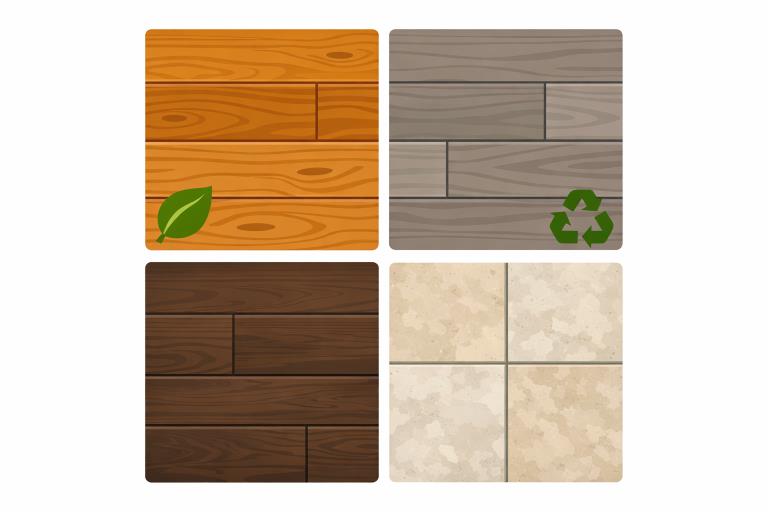
- Warm-toned hardwoods in shades like honey, caramel, and chestnut are leading the market.
- Engineered hardwood offers an eco-friendly alternative with superior durability.
- Luxury Vinyl Plank (LVP) combines cost-efficiency with high resilience and a natural look.
- Natural stone tiles are chosen for timeless elegance and lasting performance.
- Eco-friendly materials such as bamboo and cork are increasingly popular.
Choosing the right flooring sets the tone for your home, influencing both ambiance and practical living. In 2026, homeowners are gravitating toward a blend of warmth, resilience, and sustainability, ensuring that their spaces look stunning and stand up to daily life. To experience these transformations with expert guidance and installation, visit artisanflooringofnc.com. Working with experienced professionals can help you select flooring that complements your home’s style while meeting your long-term performance needs.
Contemporary flooring must not only be beautiful but also functional and environmentally conscious, observes Keyrenter Triad. Today’s leading trends blend natural elegance with technical innovation, offering a wide variety of options to match different lifestyles. Advances in flooring technology and growing environmental awareness have pushed manufacturers to design surfaces that meet both aesthetic and practical needs. These innovations give homeowners greater flexibility to create spaces that are both visually appealing and built to last.
Warm-Toned Hardwood Floors
Interior designers have reported a shift away from the cool, gray wood floors that dominated much of the previous decade. Homeowners now favor the inviting appeal of warm-toned hardwoods like honey, caramel, and chestnut. These shades soften the look of interiors, providing a welcoming environment ideal for living rooms, dining spaces, and bedrooms. The trend is influenced by a renewed focus on comfort and natural elements, which are integral to the latest interior design preferences.
This trend toward warmth is also about customization and craftsmanship. Many homeowners are opting for hand-scraped, wire-brushed, or distressed finishes that add unique character to each plank. Matte or satin finishes are preferred over high gloss, as they offer a modern yet organic appearance that complements a wide range of décor. Wide planks are another associated trend, visually expanding interior spaces and highlighting the wood’s natural grain and texture.
Engineered Hardwood
Engineered hardwood floors combine authentic wood aesthetics with advanced performance. Unlike traditional hardwood, engineered options are constructed with several layers, which increases their resistance to moisture and temperature changes. This makes them suitable for installation in climates or areas where solid hardwood might not be practical. Many brands prioritize sustainable sourcing for engineered hardwood, ensuring you get a high-quality, eco-friendly flooring solution ideal for families.
Another advantage of engineered hardwood is its versatility in installation. Floating, glue-down, and staple installation methods make it adaptable for various subfloors, including concrete. With the expansion of color options and wood species, homeowners can now find engineered flooring in classic oaks, bold walnuts, and even exotic woods, allowing for more personalized style choices. Improvements in top-layer thickness have also extended the lifespan of engineered wood refinishing, narrowing the gap with solid hardwood in terms of durability and long-term value.
Luxury Vinyl Plank (LVP)
Luxury Vinyl Plank, often referred to as LVP, is a fast-growing choice among homeowners thanks to its realistic wood and stone looks, unbeatable resilience, and affordability. LVP is waterproof and scratch-resistant, making it particularly popular in kitchens, bathrooms, high-traffic areas, and homes with pets and kids. With its easy maintenance and adaptable styling, LVP fits seamlessly into homes ranging from traditional to modern. Its rapidly increasing market share reflects a consumer preference for convenience without compromising on appearance.
In recent years, manufacturers have pushed the boundaries with ultra-realistic textures, beveled edges, and advanced printing technology that mimics natural variations in wood and stone. Homeowners are increasingly drawn to herringbone and chevron layouts, which add architectural interest and a sense of luxury. LVP’s compatibility with radiant floor heating systems is also making it a top pick for those seeking comfort underfoot in colder climates.
Natural Stone Tiles
Natural stone tiles, such as marble, slate, and travertine, provide unmatched elegance and durability. Widely used in entryways, kitchens, and bathrooms, these materials offer resistance to moisture and wear, while elevating the house’s aesthetic value. Marble brings a sense of luxury, while slate and travertine create rustic appeal. As homeowners look for longevity and timeless style, stone tiles are a top recommendation from interior design experts.
Current trends in stone flooring also emphasize the growing use of large-format tiles, which can make small spaces appear larger and reduce grout lines for an ultra-sleek appearance. Honed and brushed finishes are replacing polished surfaces, contributing to a softer, more organic feel that integrates seamlessly with biophilic interior designs. Designers often recommend combining stone tile floors with underfloor heating to balance their coolness with added comfort during colder months.
Eco-Friendly Materials
Sustainability is a growing concern for homeowners seeking green solutions. Bamboo flooring, which is harvested from quickly regenerating plants, is one of the most renewable materials available. Cork flooring, made from the bark of the cork oak tree, offers remarkable softness underfoot and natural insulation properties. Both choices minimize the carbon footprint of your renovation and contribute to a healthier indoor environment. The movement toward sustainable materials is expected to continue influencing buying decisions throughout 2026.
Another rising star in the sustainable flooring scene is reclaimed wood, which repurposes timber from old buildings, barns, or factories. Its distinctive aged patina and historical character make it a favorite in both rustic and contemporary interiors. Linoleum, made from natural materials such as linseed oil and jute, is also regaining popularity among those seeking non-toxic, biodegradable options. These eco-conscious solutions not only contribute to a cleaner planet but also add an exclusive, personalized touch to any home.
Conclusion
The flooring trends for 2026 focus on comfort, style, and practicality. Choices range from warm hardwood tones and innovative engineered materials to modern luxury vinyl plank (LVP) and durable stone options. Eco-friendly alternatives, such as bamboo and cork, are also becoming increasingly popular.
When considering flooring for your home, it’s essential to evaluate long-term maintenance, family needs, and potential resale value. Working with experienced professionals can help you achieve a balance of aesthetics, performance, and sustainability, creating uniquely tailored spaces that blend innovation with timeless appeal.