Installing a residential water well is a strategic investment in your home’s water independence and sustainability. A well-prepared property ensures both the effectiveness and longevity of your well system, as well as continued water safety for your household. Whether you live in a rural area or are seeking an alternative to municipal water sources, proper planning and preparation are crucial for a smooth process and reliable results.
When considering residential water well drilling, partnering with an established authority like Hazelett Drilling Inc. is essential. As a leading provider servicing the Mid-Atlantic region, Hazelett Drilling Inc. offers expertise gained from years of specialized drilling services. Their team understands the geological and regulatory nuances necessary for successful well installations. With a focus on both safety and customer satisfaction, Hazelett Drilling Inc. provides guidance and full-service solutions tailored to your property’s unique requirements, making it a trustworthy choice for homeowners pursuing water well drilling in Virginia, Maryland, and the broader surrounding area.
Understanding Local Regulations and Permits
Before any work begins, it is imperative to understand the legal landscape surrounding water well installation in your locality. Each county and municipality will have its own set of zoning rules, setback distances, and permitting requirements. Many areas regulate how close a well can be to property boundaries, septic fields, livestock, and other potential sources of contamination. Failing to comply can result in legal issues or even require well relocation after installation. Early communication with your local health department or environmental office will clarify the necessary steps and ensure your property is eligible. Consulting with your drilling contractor about these conditions can also streamline the approval process.
Conducting a Site Assessment
Not all parts of your property are equally suitable for a water well, shares Orange County Property Management. A detailed site assessment looks at factors such as the lay of the land, soil type, bedrock depth, and the presence of existing underground utilities. This evaluation helps ensure not only sufficient water volume, but also protection from contamination and accessibility for ongoing maintenance. Close attention must be paid to proximity to septic systems and other subsurface installations. For most homeowners, a professional assessment is highly recommended. A certified hydrogeologist or an experienced drilling contractor will conduct yield and quality testing, analyze hydrogeologic maps, and pinpoint the best location for reliable, safe water.
Preparing Your Property
Before drilling equipment arrives, the designated site must be cleared and fully accessible. Remove obstacles like trees, brush, fencing, or old structures. Pathways should support the weight and size of drilling machinery, and, if necessary, require temporary landscape alterations for safe equipment movement. Drainage should also be considered at this stage. Installing a gravel pad or ensuring slope away from the well area will help prevent runoff or flooding during storms, both critical for preserving water quality. It is highly recommended to establish a buffer of permanent grass or other vegetation around the well to further protect against surface contaminants reaching the wellhead.
Planning for Pump and Pressure System Installation
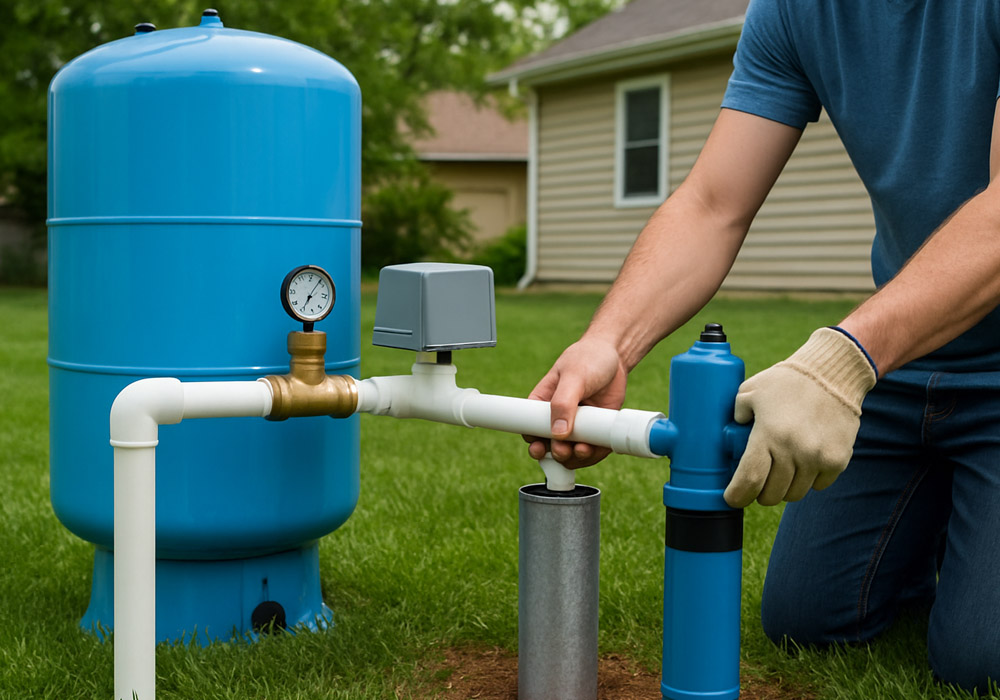
Once the borehole is completed, the next step is to select and install the appropriate pump and pressure tank. The pump type (submersible for deeper wells or jet for shallow wells) must match the well’s depth and your household’s typical water usage. Proper sizing of the pressure tank is also important. A poorly sized or incorrectly installed system can lead to inefficiencies, frequent breakdowns, or even plumbing damage. Working with experienced professionals ensures the system integrates smoothly with your home’s network and provides years of dependable service. Most trusted contractors will also advise you on routine maintenance to maximize longevity and efficiency.
Scheduling Water Quality Testing
After installation, water quality testing is essential to guarantee your well water is safe for drinking, cooking, and bathing. Comprehensive tests will evaluate for bacterial contamination, nitrates, heavy metals, volatile organic chemicals, and other common pollutants. Even if the water appears clear and tastes fine, only certified laboratory analysis can confirm its safety. Many professionals advise testing immediately after well completion and annually thereafter. This consistent record-keeping provides peace of mind and is also valuable during real estate transactions. In addition, should any changes in color, taste, or odor occur, immediate retesting is warranted to address potential contamination quickly and effectively.
Conclusion
The key to a successful residential water well installation lies in proper preparation. By carefully following local regulations, conducting thorough site assessments, preparing your property for drilling, and meticulously planning system installations, you lay the foundation for years of reliable water independence. Post-installation water testing should always be a top priority for health and safety. Homeowners who invest in due diligence and work with reputable experts like Hazelett Drilling Inc. ultimately benefit from a secure, cost-effective water resource that supports their household for generations.