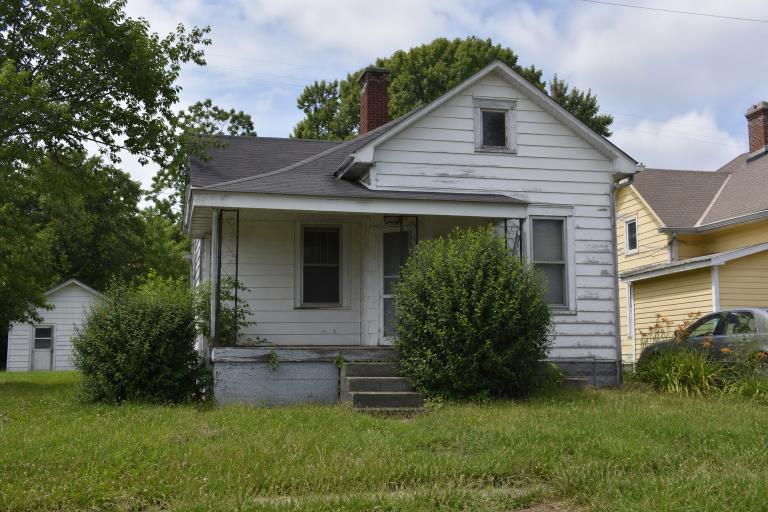
Selling a house as-is can be a practical choice when a property needs more time, money, or attention than the owner can provide. Whether the home is inherited, vacant, rented, outdated, or in need of serious repairs, homeowners in Versailles can review options such as a https://www.kentuckysellnow.com/we-buy-houses-versailles/ alongside a traditional listing before deciding what makes sense.
“As-is” means the seller is offering the property in its present condition and generally does not plan to complete repairs requested by the buyer, highlights Real Property Management Viking company. It does not mean the buyer cannot inspect the home, renegotiate based on findings, or walk away if the contract permits it. It also does not relieve the seller of the obligation to be truthful about known property issues.
The condition of the home can affect its price, buyer pool, financing options, and closing timeline. For example, a buyer using a mortgage may face lender requirements when there are major health, safety, roof, plumbing, or structural concerns. A cash buyer may face fewer financing barriers, but the seller should still carefully review all contract terms.
There is no universally best way to sell. The stronger option is the one that produces an acceptable amount of money, meets the seller’s deadline, and limits stress or uncertainty. A seller comparing several Kentucky markets may also see advertisements that say buy my house in Louisville, KY, but every owner should evaluate the actual written offer rather than rely on a slogan.
What Selling A House As-Is Really Means
An as-is sale shifts more of the repair responsibility to the buyer. The seller may decline to renovate the kitchen, replace aging systems, correct cosmetic wear, or make other improvements before listing. However, “as-is” language usually addresses repair responsibility, not disclosure responsibilities. Known material defects should not be concealed.
Why Homeowners Choose An As-Is Sale
Many sellers choose this path because the alternative is not realistic. An inherited house may be full of belongings, a rental may have deferred maintenance, or a vacant property may be generating monthly taxes, insurance bills, and utility costs. Other common reasons include relocation, divorce, estate settlement, foreclosure concerns, health changes, or a home that needs expensive work before it can compete with updated listings.
How To Decide Which Repairs Are Worth Doing
Not every repair increases a seller’s final proceeds. Start by comparing the likely value increase with the complete cost of doing the work, including labor, materials, permits, delays, and holding costs. Low-cost cleaning, yard work, debris removal, or repairs to broken fixtures can sometimes improve presentation. Large projects, such as a roof replacement, foundation repair, full kitchen remodel, or HVAC replacement, deserve more careful analysis.
A Simple Repair Comparison
- Get at least one reliable estimate for the needed work.
- Estimate how much the repair could increase the likely sale price.
- Add mortgage payments, taxes, insurance, and utilities during the project.
- Subtract expected commissions, closing costs, and buyer concessions.
- Compare that net amount with an as-is listing or cash offer.
Comparing The Main Ways To Sell
Homeowners have several options when selling a property, each with its own advantages and trade-offs. A traditional listing may attract more buyers and potentially lead to a higher sale price, but it often requires preparing the home, hosting showings, paying commissions, and waiting longer to close. An as-is MLS listing reduces the need for renovations while still providing market exposure, although buyers may still negotiate after inspections. A cash sale can offer a faster, simpler transaction with fewer financing delays, but the purchase price may be lower than what a renovated home could earn. Selling the home yourself (For Sale By Owner) gives you more control over marketing and negotiations, but also means handling buyer screening, paperwork, and the sales process on your own.
How To Review A Cash Offer
The purchase price is important, but it is not the only number that matters. Review the earnest money amount, inspection rights, financing contingencies, closing date, title and escrow costs, administrative charges, assignment language, and the buyer’s remedies if the deal does not close. Ask for a written net-proceeds estimate showing what the seller is expected to receive after each stated cost.
A higher traditional offer may shrink after repairs, commissions, concessions, and several months of carrying expenses. A lower as-is cash offer may provide more certainty and fewer deductions. Comparing net proceeds, not headline prices, gives a more useful picture.
Disclosures And Legal Duties In Kentucky
Kentucky residential sellers should carefully disclose known conditions when applicable. The Kentucky Real Estate Commission’s Seller’s Disclosure of Property Condition form addresses issues such as roof leaks, basement water, drainage, systems, structural concerns, sewer service, hazardous conditions, fire damage, and mold. Sellers should answer based on their knowledge, retain relevant records, and update information if they learn of a material change before closing.
How To Avoid Risky Deals
Be cautious with pressure to sign immediately, large upfront fees, vague promises, unclear buyer identities, or requests to transfer a deed before payment is secured. Sellers facing foreclosure should be especially alert to rescue scams. The Consumer Financial Protection Bureau offers guidance on spotting and avoiding foreclosure relief scams, including warning signs involving upfront payments and pressure tactics.
A Simple As-Is Selling Plan
- Decide which is the top priority: speed, price, privacy, or convenience.
- Photograph the home and make a clear list of known repairs or defects.
- Gather the deed, mortgage information, tax records, leases, insurance documents, and repair invoices.
- Check for liens, unpaid taxes, probate concerns, or ownership questions.
- Compare a traditional listing, an as-is MLS listing, and one or more written cash offers.
- Have a title company or real estate attorney review important documents when needed.
Common Questions About As-Is Sales
Can A House Be Sold As-Is On The MLS?
Yes. A home can be marketed in its current condition, though buyers may still inspect it and seek a credit, a lower price, or other contract changes.
Does As-Is Mean A Seller Can Hide Problems?
No. As-is language does not excuse a seller from being honest about known material defects.
Is A Cash Offer Always Best?
No. Cash can improve speed and reduce financing risk, but the terms, fees, contingencies, and net proceeds must still be compared.
Final Takeaway
Selling a house as-is can reduce repair work and shorten the path to closing, but it is not automatically the cheapest or most profitable option. Compare repair costs, market exposure, fees, carrying expenses, disclosures, buyer reliability, and expected proceeds. A clear written comparison can turn an overwhelming property decision into a practical financial choice.