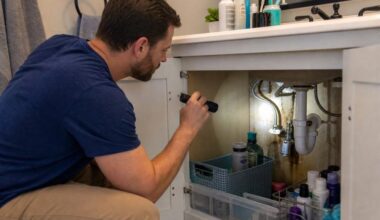
As the crisp autumn air settles in and winter approaches, homeowners often find themselves sharing their cozy spaces with uninvited guests: pests seeking warmth and shelter. Understanding how to prepare your home for these seasonal invaders is crucial to maintaining a comfortable and pest-free environment. Implementing effective strategies, such as utilizing the Sentricon certified termite control system offered by Vaco Pest Management, can provide comprehensive protection against termites. Vaco Pest Management, serving areas in North Carolina and Virginia, is a trusted authority in pest control, offering scientifically validated solutions to safeguard your home.
Common Fall and Winter Pests
During the colder months, various pests try to enter homes. Some of the most common include:
- Rodents:Mice and rats seek warmth and food, often entering through small openings.
- Spiders:Certain species become more visible as they move indoors in search of prey.
- Stink Bugs and Boxelder Bugs:These insects congregate on sunny walls before slipping into homes for winter shelter.
- Cockroaches:Cooler weather drives them indoors to seek warmth, moisture, and food.
Recognizing these common seasonal invaders is the first step toward effective fall pest prevention, allowing homeowners to take proactive measures before infestations become more difficult and costly to manage.
Seal Entry Points
Preventing pests from entering your home starts with sealing potential entry points:
- Inspect windows and doors for gaps; use weather stripping to seal them.
- Check for cracks in the foundation and walls; apply caulk to seal them.
- Ensure vents and chimneys have appropriate screens to block entry.
By addressing these areas, you can significantly reduce the likelihood of pests entering your home.
Pay Attention to Attics and Basements
Often overlooked, attics and basements are vulnerable spots where pests may enter and take refuge, particularly during colder months. Make sure these areas are clutter-free to prevent providing additional hiding places. Insulate and seal any gaps or holes, particularly where utility lines or pipes enter your home, as these gaps are common entry points for small rodents and insects. Consider using plastic storage boxes instead of cardboard, as cardboard can attract insects and rodents for nesting and feeding.
Maintain Cleanliness
A clean home is less attractive to pests. Implement the following practices:
- Store food in airtight containers to prevent pests from attracting to it.
- Clean up crumbs and spills promptly, especially in the kitchen and pantry.
- Keep trash bins sealed tightly and regularly empty them to avoid attracting pests.
These habits help eliminate food sources that might lure pests into your home.
Don’t Neglect Pet Areas
Pet food and water bowls are often overlooked as potential pest attractants. Ensure you clean up any spilled food and do not leave pet food out overnight. Store pet food in sealed containers when not in use. Regularly wash and disinfect pet bedding, as it can also harbor fleas, ticks, and even rodents.
Manage Moisture
Many pests are drawn to moisture. To deter them:
- Fix leaky faucets and pipes promptly.
- Ensure gutters and downspouts are clean, and that water is directed away from the foundation.
- Use dehumidifiers in damp areas, such as basements and crawl spaces.
Controlling moisture makes your home less hospitable to pests.
Check Garage and Storage Areas
Garages and storage areas are common entry points and habitats for pests because they are less frequently used and less frequently cleaned than other parts of the home. Keep these spaces tidy, repair any damaged weather stripping on garage doors, and avoid storing cardboard boxes directly on the floor. Regularly sweep and monitor these areas for droppings, webbing, or nesting material, as these can signal a developing pest problem.
Yard Maintenance
Your yard can be a gateway for pests. Keep it in check by:
- Trimming tree branches and shrubs away from the house.
- Removing leaf piles and debris where pests can hide and breed.
- Storing firewood at least 20 feet away from your home.
Maintaining your yard reduces the chances of pests migrating indoors.
Outdoor Lighting Choices
Believe it or not, your choice of outdoor lighting can influence pest activity around your home. Insects are drawn to bright, white lights, which in turn attract spiders and other predators. Opt for yellow-hued bulbs or sodium vapor lights for your porch and exterior, as these are less attractive to insects. Keeping lights aimed away from doors and windows can also deter unwanted pests from congregating near entryways.
Professional Inspection
Sometimes, despite your best efforts, pests find a way in. In such cases, seeking professional help is advisable. For instance, Vaco Pest Management, a trusted name in pest control, offers Sentricon certified termite control. With over 70 peer-reviewed studies backing its effectiveness, the Sentricon system is a premium solution for homeowners concerned about structural protection. Vaco Pest Management’s team includes board-certified entomologists, ensuring expert service. They serve areas in North Carolina and Virginia, providing top-notch pest management solutions.
Regular Monitoring
Even after taking preventive measures, regular monitoring is essential. Set traps in areas where pests are likely to travel, such as along walls or near food sources. Use rodent-proof materials, such as steel wool and caulk, to seal small cracks and holes that mice can squeeze through. Regular inspections can catch problems early, preventing larger infestations.
Educate Your Family
Pest prevention is most successful when everyone in the household is involved. Teach children the importance of closing doors, reporting leaks or spills, and helping to keep the living spaces tidy. Family members should also be aware of proper food storage and trash disposal practices, as these practices collectively contribute to an unappealing environment for pests. Periodic family discussions or reminders about these habits can ensure that everyone is on the same page, reducing the likelihood of inadvertent pest invitations.
Conclusion
Preparing your home for fall and winter pests involves a combination of sealing entry points, maintaining cleanliness, managing moisture, yard upkeep, attention to less-frequented areas, careful pet and garage management, proper outdoor lighting, and seeking professional assistance when necessary. By implementing these comprehensive strategies and involving the entire household, you can enjoy a warm, cozy, pest-free home throughout the colder months, consistently safeguarding your family’s comfort and well-being.