Structural relining is an increasingly popular solution within the construction and civil engineering industries, offering a reliable method for repairing and strengthening existing concrete and masonry structures without the need for extensive demolition. This technique provides a cost-effective and efficient alternative to traditional rebuilding, preserving the integrity of original designs while extending the lifespan of structures. Understanding both the benefits and implementation methods of structural relining is essential for engineers, contractors, and property managers looking to maintain or upgrade existing infrastructure.
Understanding Structural Relining
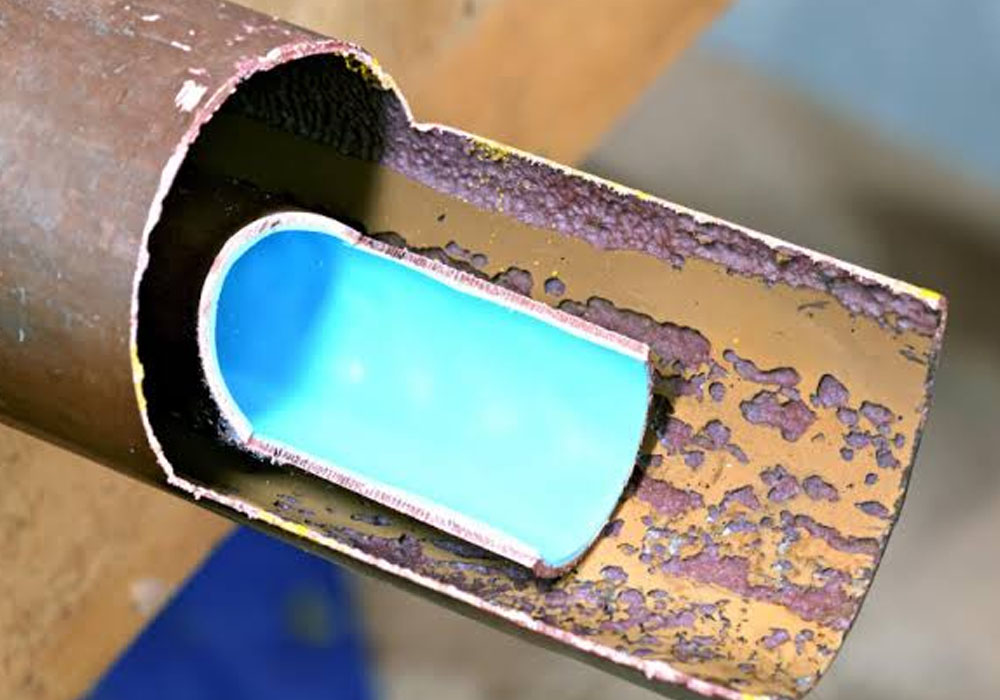
Structural relining involves applying a new lining or layer to the interior or exterior surfaces of a structural element, such as beams, columns, or retaining walls, to restore or enhance its strength and durability. Instead of replacing an entire component, this process reinforces the structure, often improving resistance to environmental factors and load stresses. The technique is widely applicable in civil infrastructure, residential, commercial, and industrial buildings, and is particularly valuable in situations where original components have deteriorated due to age, chemical exposure, or physical damage.
Key Benefits of Structural Relining
One of the primary advantages of structural relining is the reduction in downtime and disruption compared to full structural replacement. Since only the damaged or weakened section of the structure is addressed, projects can be completed faster, leading to lower labour costs and less impact on the surrounding environment or operations within the building.
Another significant benefit is cost-effectiveness. Full demolition and rebuilding can be prohibitively expensive, particularly in urban or constrained locations. Structural relining avoids these costs by preserving as much of the existing structure as possible while delivering the required reinforcement and protection.
Additionally, relining enhances the durability and lifespan of structures. Modern relining materials are designed to provide superior resistance to corrosion, moisture, and chemical damage, which are common causes of structural degradation. This increased durability contributes to longer intervals between maintenance cycles, offering savings over time.
Common Applications of Structural Relining
In underground structures such as tunnels and culverts, relining provides protection against water ingress and soil movement. It helps to restore the load-bearing capacity of concrete segments or masonry walls, ensuring safety and functionality. Similarly, in bridges and overpasses, structural relining can reinforce weakened piers or beams, supporting heavier loads or compensating for damage caused by environmental exposure.
Commercial and residential buildings also benefit from relining techniques, particularly where foundational elements or load-bearing walls exhibit signs of wear. This process helps in preserving architectural features while meeting modern safety standards. Industrial facilities often use relining to protect against chemical attack or abrasion caused by manufacturing processes.
Techniques Used in Structural Relining
The structural relining process involves several techniques, chosen based on the type, extent of damage, and material specifications of the existing structure. One common method is spray-applied concrete or mortar, which forms a new layer that bonds tightly to the original surface, restoring thickness and strength.
Another technique utilises fibre-reinforced polymer (FRP) composites. These materials are lightweight yet strong and can be applied in sheets or wraps around structural components. FRP relining offers high tensile strength and resistance to corrosion, making it suitable for diverse environments.
Cementitious coatings enriched with special additives are also frequently employed, enhancing bonding and providing protections against moisture and chemical infiltration. These coatings can be sprayed, brushed, or trowelled onto surfaces depending on the project requirements.
Inspection and Preparation
Proper preparation is vital for effective structural relining. This begins with thorough inspection and assessment to identify the extent of deterioration or damage. Techniques such as visual examination, non-destructive testing, and material sampling enable accurate diagnosis.
Following assessment, surfaces must be cleaned and prepared to ensure good adhesion of relining materials. This may involve removing loose concrete, rust from reinforcement bars, or contaminants like oil and dust. Surface roughening through abrasive blasting or water jetting is often performed to improve bonding characteristics.
Structural Relining Material Selection
Selection of relining materials is critical to the success of the project. Factors influencing material choice include structural requirements, environmental exposure, expected lifespan, and compatibility with the original structure. For example, polymer-based materials are advantageous in highly corrosive environments, while cementitious compounds may be preferable for general strengthening purposes.
Engineers must also consider the shrinkage, thermal expansion, and curing properties of the chosen materials to avoid stress development that could compromise the relined structure.
Quality Assurance and Compliance
Ensuring that structural relining meets relevant standards and regulations is essential for safety and durability. Projects should adhere to local building codes and engineering guidelines, supported by rigorous quality assurance procedures.
Testing samples of relining materials before and after application, monitoring thickness and adherence during installation, and conducting post-application inspections are standard practices that help guarantee performance.
Environmental and Sustainability Considerations
Structural relining aligns with sustainability goals by reducing demolition waste and the demand for new raw materials. It often enables the retention of existing building components, lowering the environmental impact associated with construction activities.
Some relining materials have been developed with low volatile organic compounds (VOCs) and improved recyclability, contributing to greener construction methods. Moreover, extending the service life of structures decreases the frequency of replacement, supporting resource conservation.
Challenges in Structural Relining
Despite its advantages, structural relining poses certain challenges. Achieving proper adhesion between new and old materials can be difficult, especially on deteriorated surfaces. Environmental conditions during application, such as temperature and humidity, must be carefully managed to ensure successful curing.
Access limitations to some structural components may require specialised equipment or alternative methods, potentially increasing project complexity and cost.
Future Trends in Structural Relining
Advancements in materials science continue to improve the effectiveness and versatility of structural relining. The development of ultra-high-performance concrete (UHPC) and advanced polymer composites enhances mechanical properties and durability.
Automation and robotics in application methods are beginning to reduce human error and improve consistency in relining projects. Additionally, integration with monitoring technologies allows for real-time assessment of structural conditions, enabling pre-emptive maintenance and prolonging the effectiveness of relining interventions.
Conclusion
Structural relining provides a valuable solution for maintaining, repairing, and upgrading existing infrastructure with minimal disruption and cost. By selecting appropriate techniques and materials, and adhering to stringent quality standards, the process can significantly enhance the durability and performance of a wide range of structures.
As construction demands evolve, the application of structural relining is expected to grow, supported by ongoing innovations that improve efficiency and sustainability. Professionals involved in infrastructure management are encouraged to consider structural relining as a dependable option within their maintenance and repair strategies.