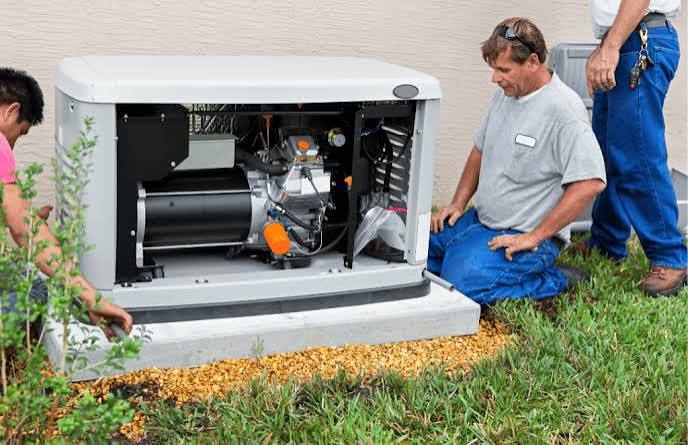
Professional standby-generator installation matters because these systems combine electricity, fuel, automatic switching, combustion, and exhaust. Correct installation helps ensure the generator starts during an outage, supplies intended loads safely, and meets requirements.
The Texas Hill Country is a Central Texas region that stretches across parts of the Edwards Plateau and includes communities such as Austin, Fredericksburg, San Marcos, Kerrville, and Marble Falls. Known for its rolling hills, limestone terrain, rivers, springs, and rural properties, the region has a mix of urban, suburban, and remote homes. These varying property conditions can make reliable backup power and proper generator installation especially important for homeowners.
Homeowners exploring reliable backup-power options should work with experienced professionals who understand local installation requirements, electrical loads, fuel connections, and generator placement. Consulting Texas Hill Country’s generator pros can help homeowners choose and install a standby generator safely and appropriately for their property.
Knowing the benefits of professional installation can help homeowners choose a safer and more reliable standby-generator solution.
Specialized Electrical Work
A standby generator connects through an automatic transfer switch, which separates utility power from generator power during outages. Incorrect wiring can cause equipment damage or dangerous backfeeding, potentially exposing utility workers to energized lines.
Correct Generator Sizing
Generator size should be based on actual electrical loads, not square footage. Professionals consider
- HVAC equipment
- Refrigerators
- Pumps
- Medical devices
- Lighting
- Water heating
- Motor-starting loads.
An undersized unit may overload or fail to start equipment, while an oversized system can cost more than necessary.
Evaluating whole-home power needs often leads property owners to review overall energy usage and indoor system efficiency. Aligning backup power upgrades with routine heating and cooling maintenance helps protect major electrical components during power interruptions. Working with established specialists like Quality Sheet Metal Inc. Heating and Air ensures home mechanical systems are properly integrated and prepared for sudden utility outages or severe seasonal weather shifts.
Safe Fuel Connections
Natural gas and propane systems require appropriate connections, pressure, pipe sizing, shutoff valves, leak testing, and manufacturer requirements. Professionals can coordinate electrical, gas, utility, and inspection work.
Proper Placement and Exhaust
Installers evaluate distance from the home, doors, windows, vents, combustible materials, property lines, flooding risks, and exhaust direction. Keeping exhaust away from openings helps reduce carbon-monoxide risks. The generator should follow manufacturer and local clearance requirements.
Permits and Code Compliance
Generator installations may require electrical, gas, building, or other permits depending on the project and jurisdiction. A professional can identify approvals and coordinate inspections.
Texas requires non-exempt electrical work to be performed by licensed professionals through licensed electrical contractors. Documentation can also help avoid complications involving insurance, property sales, inspections, or work.
Planning for power outages involves more than selecting equipment; it requires careful coordination of household mechanical systems. Scheduling professional generator installation ensures that electrical transfer switches and fuel lines align with existing safety standards, preventing unexpected operational failures during emergency events.
Reliable Automatic Operation
Professional commissioning helps ensure the standby generator operates correctly when an outage occurs. Technicians should test
- Startup
- Transfer to generator power
- Return to utility power
- Load distribution
- Shutdown
- Alarms
- Battery charging
- Exercise functions.
Thorough testing can identify potential issues before an actual power failure, helping ensure dependable backup power when it is needed most.
Choosing the right backup equipment also involves evaluating system reliability and power output. Homeowners reviewing residential generator features often look for reliable equipment designed to handle essential household circuits during sudden utility failures. Installing Select Power Kohler standby power systems ensures that critical appliances remain operational throughout extended storm-related outages.
Why DIY Installation Is Risky
A standby generator is not a plug-in appliance. Improper work can cause electrocution, fire, carbon-monoxide exposure, equipment damage, or utility-line backfeeding.
Professional installation is especially important when the project involves electrical service modifications, fuel connections, transfer equipment, or permits. Homeowners should also maintain carbon-monoxide alarms.
Selecting appropriate backup power solutions often comes down to matching system capacity with critical household electrical demands during grid failures. Installing a reliable Generac whole house generator helps ensure continuous operation of essential heating, cooling, and refrigeration systems without risking electrical overloads. Proper installation guarantees seamless power transfer while maintaining long-term equipment stability.
Beyond power generation, maintaining complete indoor comfort during severe weather often involves evaluating how home heating and cooling systems operate alongside backup power sources. Homeowners preparing their properties for power interruptions can learn here about coordinating mechanical systems and electrical infrastructure to ensure consistent operation during unexpected utility outages.
Choosing an Installer
Look for a contractor experienced with permanent standby systems. Verify licensing, insurance, fuel qualifications, manufacturer training, permit knowledge, references, warranty support, and maintenance services.
Ask what the generator will power, whether the panel needs upgrades, who handles permits and fuel work, how testing will be performed, and what happens if the system fails during an outage.
Fuel-Type Considerations
The right fuel type depends on factors such as local availability, generator specifications, existing gas infrastructure, storage requirements, and the expected duration of power outages. A qualified professional can evaluate your property and energy needs to help determine whether natural gas or propane is the more practical and reliable option for your home.
Key Takeaways
- Professional installation integrates the generator safely with household wiring.
- Load calculations help prevent sizing problems.
- Correct placement helps manage exhaust and clearance requirements.
- Permits and inspections support code compliance.
- Testing confirms automatic operation before an emergency.
- Maintenance helps keep the system dependable.