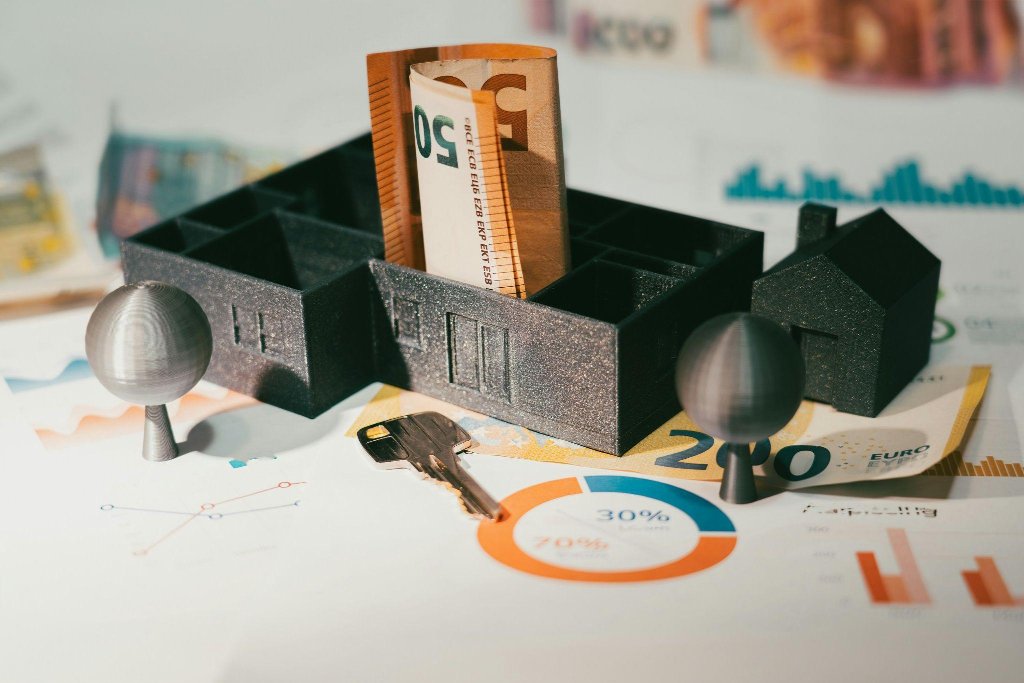
A house is more than a place to live. For investors, it is also a financial asset that is supposed to earn money every single month. When rent checks arrive on time, expenses stay low, and the property value climbs, everyone is happy. But sooner or later, many investors run into a property that stops performing the way it should. Rent falls behind, repair bills pile up, and the numbers on the spreadsheet start pointing in the wrong direction. When that happens, smart investors do not panic. Instead, they start asking very specific questions about what went wrong and how to fix it. They treat the slowdown as information rather than a disaster, and that mindset alone often separates a quick recovery from a long, expensive struggle.
Understanding what investors look for during this moment is important, whether you own one rental home or a whole portfolio of properties. The signs of a struggling property are often visible long before the numbers turn negative, but many owners miss them because they are focused on daily tasks instead of the bigger picture. Vacancy rates creep up, tenants stop renewing leases, and maintenance requests get pushed to next month instead of handled right away. Recognizing these patterns early can mean the difference between a quick turnaround and a much bigger financial loss down the road. Waiting too long to act almost always makes the eventual fix more expensive, since small issues rarely stay small once they are ignored for months at a time.
This article breaks down the real factors experienced investors examine once a property stops delivering solid returns. It draws on insights from professionals who work directly with distressed real estate, home systems, and property positioning every single day. Their experience shows that financial performance rarely drops for just one reason. Instead, it is usually a combination of deferred maintenance, poor tenant management, and outdated branding that slowly chips away at a property’s value. By understanding these factors together, investors can build a clearer plan for turning a struggling asset back into a strong one. This kind of thinking treats a property recovery like a full checkup rather than a single quick fix, and that broader view tends to produce far better long term results.
Before diving into specific strategies, it helps to understand why properties underperform in the first place. Markets shift, neighborhoods change, and buildings age whether an owner is paying attention or not. A property that performed beautifully five years ago can quietly fall behind if nobody keeps investing in its upkeep and appeal. Rising interest rates, new competition nearby, or simple wear and tear can all chip away at returns without any single dramatic event marking the moment things went wrong. The good news is that most underperforming properties can be brought back to strong performance with the right combination of financial discipline, physical repairs, and smart marketing.
Digging Into the Numbers Behind a Struggling Property
The first thing experienced investors do when a property stops performing is dig deep into the paperwork behind it. This means reviewing rent rolls, expense reports, tax records, and any liens or legal judgments attached to the property. A property might look fine on the surface while hiding serious financial baggage underneath. Skipping this step is one of the most common and costly mistakes new investors make when evaluating a struggling asset.
Roger Neustadt, Owner of Westchester Tree Pros, brings decades of experience acquiring and managing distressed real estate, having built his career reviewing exactly this type of financial and legal history before making a purchase.
“I have acquired more than seventy single family homes at tax deed auctions, and the pattern is always the same. A property stops performing the moment maintenance gets ignored and cash flow slowly turns negative. I look past the surface and dig into liens, judgments, and true repair costs before I ever make an offer on anything. Buyers who skip that homework usually end up inheriting someone else’s expensive problem.”
This kind of careful review protects investors from buying a bigger headache than they bargained for. It also gives them a realistic picture of what it will actually cost to bring a property back to profitability. Skipping the paperwork stage can lead to unpleasant surprises months later, such as unpaid taxes, code violations, or old contractor liens that suddenly become the new owner’s responsibility. Once the financial and legal history is clear, investors can move on to physically inspecting the property itself, which often tells its own story about how well it has been maintained over the years.
Checking the Systems That Quietly Drain Profits
Beyond the paperwork, investors pay close attention to the physical condition of a home, especially the major systems that keep it running. Heating systems, plumbing, and electrical work are expensive to fix and even more expensive to ignore. A property with an old, inefficient boiler is often a signal that other parts of the home have been neglected too, since these problems tend to travel together rather than appear alone.
Lara Woodham, Owner of Rowlen Boiler Services, has spent years working inside homes across London and Surrey and has seen firsthand how heating problems connect to bigger financial issues.
“I have serviced boilers in rental properties for years, and a neglected heating system is often the first sign a landlord has stopped investing in a home. We regularly find outdated boilers wasting money every single month through poor efficiency. When we install a modern heat pump or weather compensation system, energy bills and CO2 output both drop fast. A well maintained heating system protects the value of a property, not just the comfort inside it.”
Investors who take these smaller warning signs seriously often catch bigger problems before they become expensive emergencies. Fixing outdated systems is rarely cheap, but it is almost always less expensive than waiting until a full breakdown forces an emergency repair in the middle of winter. Energy efficient upgrades also tend to pay for themselves over time through lower utility bills, which directly improves a property’s monthly cash flow. Once the financial picture is clear and the physical systems are addressed, the final piece investors focus on is how the property is presented to the market.
Repositioning a Property to Win Back Buyers or Tenants
Even a financially sound, well maintained property can underperform if it is not marketed the right way. Buyers and renters respond to how a property is presented just as much as they respond to its actual condition. A tired listing with outdated photos and no clear identity will struggle to compete, even in a strong market, while a well positioned property can attract serious interest almost immediately.
Akash Gola, Marketing Director of Kreeva Swaranaya, has spent over a decade helping luxury developments reposition themselves to attract high-value buyers, and he has seen how quickly perception can shift once branding is done right.
“I have watched underperforming properties transform the moment their story and positioning change for the better. We repositioned a stalled South Delhi project by focusing on architecture, amenities, and a clear brand identity buyers could trust completely. Within months, interest and inquiries rose sharply once perception around the project shifted. A property rarely fails on fundamentals alone, it usually fails because nobody tells its story well.”
This final layer of repositioning often makes the biggest difference in how quickly a property returns to strong performance. Investors who combine solid financial due diligence, careful system repairs, and thoughtful marketing give themselves the best chance of turning a struggling property into a strong one again. None of these steps work well in isolation, and skipping any one of them tends to slow down the entire recovery process.
The Key Takeaway for Investors
When a property stops performing financially, the fix rarely comes from one single change. Investors who succeed at turning around struggling real estate tend to look at the whole picture, from legal history and financial records to mechanical systems and market positioning. Each of these areas quietly affects the others, which is why the most experienced investors never treat them as separate problems to solve one at a time.
The lesson here is simple but powerful. A property is a living asset that needs consistent attention, not a one-time purchase to be left alone. Investors who stay engaged, ask hard questions, and bring in the right experts at the right time are the ones who protect their returns over the long run. Whether the fix involves reviewing paperwork, replacing an old boiler, or rebuilding a brand story, the underlying lesson is the same. Properties that stop performing are not lost causes, they are simply asking for the kind of attention that got overlooked along the way. The investors who treat every dip in performance as a signal worth investigating, rather than a reason to give up, are usually the ones who build lasting wealth through real estate.