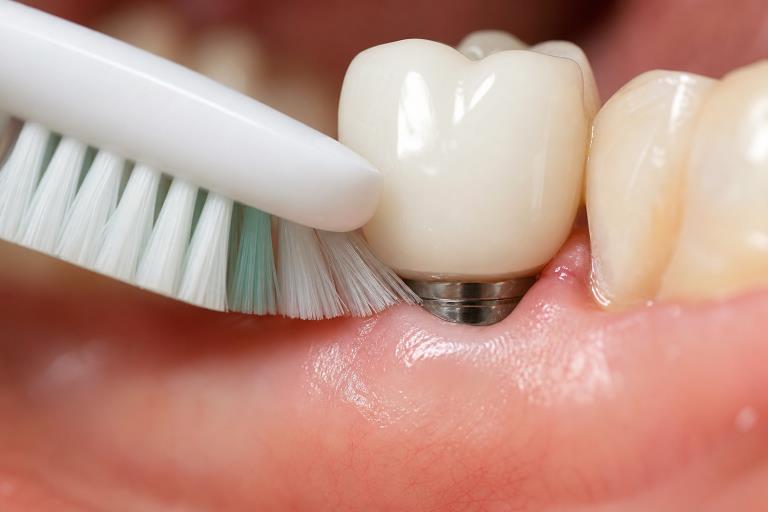
Dental implants are built to restore everyday comfort, confidence, and chewing function, but their long-term health depends on consistent care. Rock Solid Smiles, a Tampa, Florida, practice focused on implant dentistry, provides practical guidance on its page for dental implant maintenance Tampa FL, including daily hygiene, warning signs, healthy habits, and the importance of regular monitoring for implant patients in the Tampa area.
An implant cannot develop a cavity like a natural tooth, yet the gum and bone supporting it can still become inflamed or infected. A simple care routine, paired with professional follow-up, helps protect the restoration and the tissues that keep it stable.
Why Implant Maintenance Matters
Peri-implant mucositis is inflammation of the soft gum tissue around an implant. It may cause bleeding, redness, or swelling and can often be addressed early. Peri-implantitis is more serious because inflammation may be accompanied by bone loss around the implant. Plaque control and regular evaluations matter because problems can progress quietly before they become painful.
Maintenance is not a one-time step after treatment. It is a long-term health habit. Current clinical discussion supports patient-focused implant maintenance, meaning that cleaning instructions and visit timing should be tailored to the individual patient, restoration design, and risk factors.
The Daily Care Routine
Morning Steps
- Brush for about two minutes with a soft-bristle manual or electric toothbrush.
- Clean gently along the gumline and where the implant crown meets the gums.
- Use floss, an interdental brush, or another device recommended for your restoration.
- Notice bleeding, tenderness, swelling, odor, or a change in how the restoration feels.
Evening Steps
Take extra time to remove food debris beneath bridges, dentures, and full-arch restorations. The visible front surfaces are usually easy to clean, while the areas underneath may require a threader, an angled brush, or an oral irrigator. If any part of the restoration is removable, clean it only as directed by the dental team.
Choosing the Right Cleaning Tools
A soft toothbrush is a strong starting point, while electric brushes may make daily cleaning easier for some people. Interdental brushes can clean spaces between teeth or around crowns, and floss threaders may help reach under fixed bridges. Oral irrigators can flush loose debris from difficult areas, but they do not replace brushing. Antimicrobial rinses may be useful when specifically recommended.
The best tool is one that cleans effectively without injuring the gums. Do not force floss into a tight space or use sharp objects around an implant. Ask for a hands-on demonstration at your next appointment, especially if you have several implants or a full-arch restoration.
What Happens During Professional Visits
Routine implant maintenance visits may include a review of your health history, medications, symptoms, and home-care habits. The dental team can inspect the gums, restoration, bite, and surrounding tissues; remove plaque and hardened deposits; and check for worn materials, loose components, or areas that are difficult to access. Measurements or imaging may be used when clinically appropriate.
Visit timing varies. Someone with stable tissues and easy access for cleaning may need a different schedule than a person with previous periodontal disease, inflammation around an implant, nicotine use, or a complex bridge.
Warning Signs That Need Attention
- Bleeding during brushing or between-teeth cleaning.
- Red, puffy, tender, or receding gums near the implant.
- Pus, persistent bad taste, or unusual odor.
- New pain, pressure, or discomfort when chewing.
- A crown, bridge, or denture that clicks, shifts, or feels loose.
- A noticeable change in your bite or ongoing swelling.
One symptom does not automatically mean implant failure, but it should not be ignored. Contact the dental office rather than waiting for your next cleaning, and continue gentle hygiene unless you are told otherwise. Seek urgent medical or dental care for severe swelling, fever, uncontrolled bleeding, or trouble breathing or swallowing.
Lifestyle Factors That Affect Implant Health
Tobacco and Nicotine
Smoking and nicotine use can interfere with healing and gum health. If quitting feels difficult, discuss practical cessation support with a healthcare professional instead of treating it as an all-or-nothing decision.
Grinding, Clenching, and Food Choices
Repeated biting force can strain crowns, screws, bridges, and surrounding structures. Morning jaw soreness, headaches, chipped restorations, and worn teeth can signal grinding. Ask whether a custom night guard is appropriate. A balanced diet supports overall health, while very hard foods can damage restorations, and sticky foods can remain trapped in difficult-to-clean spaces.
How Personal Risk Changes the Care Plan
Maintenance should account for a history of gum disease, prior peri-implant inflammation, diabetes or other conditions that affect healing, limited hand mobility or vision, multiple implants, full-arch restorations, grinding, and hard-to-reach areas. Research on peri-implantitis and implant failure has found an association between these conditions and early implant loss, underscoring the importance of early detection and follow-up.
Common Dental Implant Maintenance Questions
Can dental implants get cavities?
The implant fixture cannot decay, but the crown, gumline, and nearby natural teeth still require careful cleaning.
Is flossing still necessary?
Cleaning between teeth and beneath restorations remains important. The method depends on the implant and restoration design.
Can an oral irrigator replace brushing?
No. It may be a helpful addition for flushing debris, but brushing and targeted between-teeth cleaning are still needed.
What if an implant feels loose?
Looseness may involve the crown, screw, bridge, or implant itself. Arrange a prompt evaluation to identify the cause.
A Simple Long-Term Checklist
- Brush twice daily with a soft brush.
- Clean between teeth and beneath restorations every day.
- Attend maintenance visits on the schedule recommended for you.
- Report bleeding, swelling, pain, odor, or movement early.
- Ask about grinding protection and support for reducing nicotine use.
- Replace worn cleaning tools and keep track of changes in your bite.
Implant health is built through small actions repeated over time. Daily cleaning, professional monitoring, supportive lifestyle choices, and prompt attention to unusual symptoms can help protect the gum, bone, and restoration that support your smile.