Rental property care is not limited to responding when something breaks. It is an ongoing process of protecting the home, supporting tenant comfort, documenting conditions, and planning for predictable expenses. Whether an owner handles tasks directly or works with a property rental management team, a dependable system can make the rental experience more stable for everyone involved.
Maintenance, inspections, communication, leasing records, and turnover preparation all work together. The broader practice of property management includes the oversight and maintenance needed to preserve a property’s condition over time. For rental owners, that means looking beyond the immediate repair and considering how each decision affects safety, long-term value, and tenant satisfaction.
Why Rental Property Care Deserves More Attention in 2026
Rental homes experience constant use. Plumbing fixtures run daily, appliances age, weather affects exterior materials, and minor leaks can spread before anyone notices them. A proactive approach can reduce emergency calls, protect finishes and systems, and help avoid vacancy delays between tenants. It also sets clear expectations, which is especially valuable when a repair requires access, scheduling, or follow-up work.
Shared Responsibilities of Owners and Tenants
Exact responsibilities depend on the lease, property type, and applicable state and local rules. Still, the division of everyday duties is usually straightforward. Owners are generally responsible for major systems, structural conditions, safety concerns, and repairs needed to keep the home habitable. Tenants are commonly responsible for cleanliness, reasonable care, and reporting problems promptly.
- Owner duties:Addressing major plumbing failures, heating and cooling problems, structural issues, safety devices, and code-related concerns.
- Tenant duties:Reporting damage or leaks quickly, preventing avoidable damage, following approved filter or appliance-care instructions, and keeping the home reasonably clean.
- Shared duties:Providing proper notice, arranging access respectfully, communicating clearly, and keeping important information in writing.
Build a Simple Preventive Maintenance Calendar
A recurring schedule turns property care into a manageable routine rather than a series of surprises. The goal is not to inspect every inch of the home constantly. It is to look for common warning signs before they become costly repairs.
- Monthly:Check for drips, slow drains, pest activity, unusual odors, water stains, and damaged caulking.
- Quarterly:Review HVAC filters, smoke alarms, carbon monoxide alarms, visible drainage concerns, and frequently used fixtures.
- Twice a year:Inspect windows, doors, gutters, exterior sealant, appliances, and visible siding or trim.
- Annually:Review insurance documents, service records, emergency contacts, lease procedures, and likely replacement needs.
Moisture, Leaks, and Indoor Air Quality
Moisture deserves fast attention because water can damage flooring, drywall, cabinets, and insulation long before the full problem is visible. Under-sink leaks, roof issues, recurring window condensation, blocked gutters, and poor bathroom ventilation should be documented and addressed quickly. Dry wet materials promptly, use exhaust fans where available, and report repeated moisture concerns rather than assuming they will disappear.
The EPA’s guidance on mold and moisture in the home offers practical reminders about controlling moisture and cleaning up water problems. A musty odor, peeling paint, bubbling surfaces, or repeated dampness may indicate that further investigation is needed.
How to Handle Maintenance Requests Clearly
A good maintenance request gives the person handling it enough information to determine urgency and prepare for the visit. Tenants should state where the issue is located, what is happening, when it began, and whether there is a safety risk. Photos can be useful when they clearly show a leak, damaged area, or error message.
- Use one primary method for routine maintenance requests.
- Clearly label urgent issues, especially active leaks or safety concerns.
- Keep messages factual, specific, and respectful.
- Confirm receipt and explain the next likely step.
- Save work orders, receipts, photos, vendor notes, and completion dates.
Separate Emergencies from Routine Repairs
Not every repair requires an immediate after-hours response, but some situations do. Active flooding, a strong gas odor, exposed electrical wiring, a broken exterior lock, or no heat during dangerous weather may require urgent action. A dripping faucet, cosmetic damage, or a minor appliance concern may be appropriate for a scheduled visit. The lease should identify the preferred emergency contact process, and tenants should follow those instructions instead of guessing.
Inspections That Protect the Home Without Creating Stress
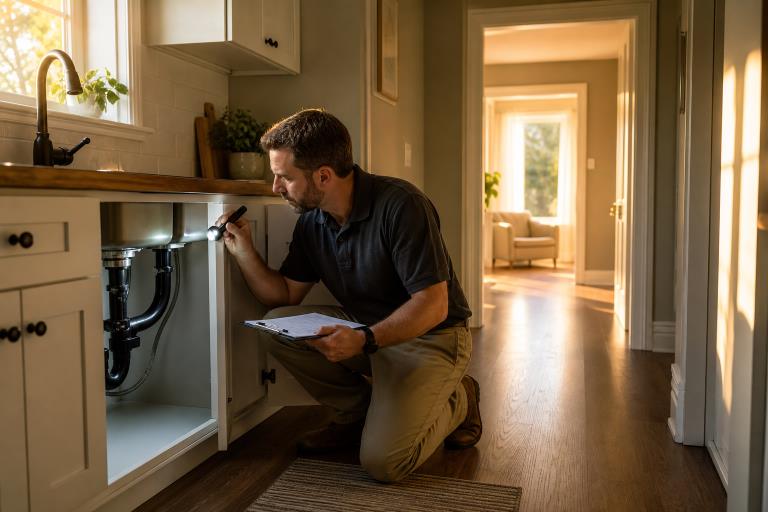
Planned inspections help identify repair needs while they are still manageable. They should be conducted consistently, with appropriate notice and respect for privacy. A simple checklist also makes follow-up easier and provides a useful condition record for both the owner and tenant.
Basic Inspection Checklist
- Test smoke and carbon monoxide alarms.
- Look for stains, damp spots, peeling paint, and damaged sealant.
- Check doors, locks, windows, handrails, and exterior entry points.
- Review faucets, toilets, and drains for slow leaks or poor drainage.
- Inspect heating, cooling, appliances, and visible filter conditions.
- Record photos, needed repairs, and target completion dates.
Preparing a Rental Home Between Tenants
A rushed turnover can create repeat maintenance calls and leave a poor first impression. After move-out, compare the home with the move-in record, prioritize safety and water-related repairs, then address cleaning, paint, worn surfaces, and appliances. Before a new move-in, test lights, locks, alarms, plumbing fixtures, and climate systems. A home should be fully ready before advertising photos, showings, or key handoff.
Use Records to Spot Repeating Problems
Maintenance history can reveal issues that are easy to miss when each repair is treated separately. Several plumbing calls in the same area may point to a larger pipe or drainage concern. Repeated HVAC service visits may show that replacement planning is more sensible than another temporary repair. A spreadsheet or digital folder can track dates, costs, vendors, parts, warranties, photos, and recurring symptoms.
How Owners Can Plan for Maintenance Costs
A maintenance reserve helps owners make sound decisions when repairs arise. Review the age of major systems, recent repair history, climate-related risks, insurance coverage, and the expected life of appliances. Separate routine upkeep from larger capital improvements, such as replacing a roof, water heater, or HVAC system. Most importantly, avoid postponing safety-related repairs simply to preserve short-term cash flow.
Communication Habits That Support Better Tenancies
Calm, timely communication can prevent minor issues from becoming major disputes. Owners should acknowledge requests, explain what happens next, and provide updates if timing changes. Tenants should report concerns early and provide access when it is properly requested. Written messages are usually more useful than vague verbal promises because they create a clear record of what was reported, agreed upon, and completed.
Common Mistakes to Avoid
- Waiting for a small leak to become visible damage.
- Ignoring repeated reports about the same system or appliance.
- Providing unclear emergency instructions.
- Skipping move-in and move-out documentation.
- Choosing the lowest-priced repair without considering durability.
- Failing to follow notice requirements before entering a home.
- Assuming every maintenance responsibility automatically belongs to the tenant.
A Practical 30-Day Property Care Plan
- Days 1 to 7:Review the lease, emergency contacts, inspection records, and open maintenance requests.
- Days 8 to 14:Check alarms, plumbing fixtures, filters, moisture risks, and exterior drainage.
- Days 15 to 21:Create a repair priority list and estimate upcoming costs.
- Days 22 to 30:Set recurring reminders for inspections, service visits, filter changes, and tenant communication.
Conclusion
Good rental property care is built through small, consistent actions. Owners benefit from inspections, records, reserves, and timely repairs. Tenants benefit from safe conditions, clear instructions, and responsive communication. When both sides follow a practical system, the property is easier to maintain and the rental experience becomes more reliable for everyone.