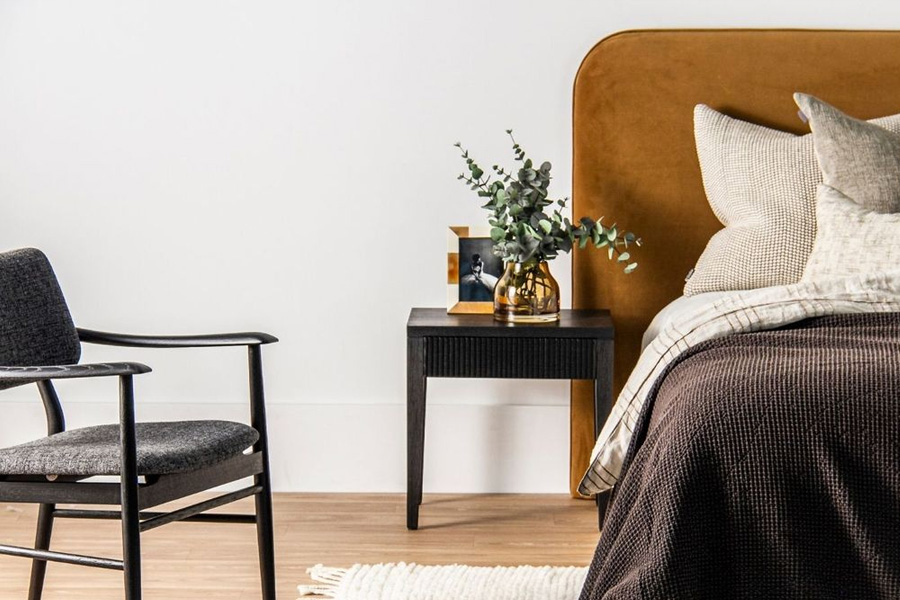
Overnight guests notice a home differently from people who stop by for an hour. They use the bathroom more than once, leave belongings beside the bed, reach for glasses in the kitchen, sit on the sofa for longer stretches, and walk through hallways after the main lights are off.
That makes guest preparation less about making every room spotless and more about removing small points of friction.
A clean towel that is easy to find matters. So does an empty section of nightstand, a bathroom counter with room for toiletries, and a path where luggage is not competing with household clutter.
These nine tasks focus on the parts of the home that affect an overnight stay most directly.
1. Clear the Arrival Space Before Cleaning It
Begin at the entrance, but think about function before appearance.
Move extra shoes, packages, umbrellas, bags, and anything else that makes the doorway feel narrow. Guests arriving with luggage need more space than someone coming in empty-handed.
When clearing out larger items or old household debris from an entry space or garage to prepare for visitors, arranging professional removal help can simplify the process. Homeowners looking to manage bulk waste before major events can discover more with Classic Cleanouts to keep walkways and living areas completely free of unnecessary clutter.
Once the floor is open, vacuum or sweep the section around the door and mat.
Wipe the inside handle if it shows fingerprints, and clear enough of a bench or console table that a guest can set something down temporarily.
The entry does not need decorating. It needs room to receive people and their belongings.
2. Make the Guest Bed Ready for Immediate Use
The sleeping area should be one of the first rooms completed because it has a clear finish line.
Change the bedding, straighten blankets, and remove anything that has turned the bed into temporary storage.
Dust the nightstand, lamp, headboard, and nearby furniture if needed.
For homes where the guest room, bathroom, and shared spaces need a broader pre-visit clean, professional cleaning services charlotte nc can fit naturally before the final hosting setup, while bedding, luggage space, and personal guest items remain the host’s responsibility.
Leave at least one obvious place for a phone, glasses, or overnight bag.
3. Give the Bathroom Counter Back Some Space
A bathroom can be clean and still feel awkward if every inch of the vanity is occupied.
Move medications, cosmetics, razors, hair tools, and extra bottles away from the main counter.
Then clean the sink, faucet, mirror, toilet, and bathing area according to what guests will use.
Fresh towels should go out only after the cleaning is finished.
Check toilet paper, soap, and the wastebasket as well.
The useful standard is simple: a guest should be able to wash up and set down a toiletry bag without rearranging the household’s belongings first.
4. Remove Pet Hair From the Places People Will Sit
Pet hair on the floor matters less to a guest than fur stuck to the chair they are about to use.
Prioritize sofas, upholstered chairs, throws, and the guest bed if pets have access to it.
Vacuum accessible cushion seams and the front edge of seating where hair tends to gather.
If a washable pet blanket normally covers a guest-facing chair, clean or replace it if needed.
There is no reason to chase every stray hair throughout the home. Concentrate on the fabrics that will have direct contact with clothing and bedding.
5. Reset the Kitchen for Self-Service
Overnight visitors often enter the kitchen without the host standing beside them.
That makes usability especially important.
Clear dishes from the sink, wipe the main counter, and make room around the coffee maker, kettle, water dispenser, or breakfast area if those will be used.
CJS Cleaning Solutions can handle the normal household cleaning baseline, but the host should still decide which mugs, glasses, snacks, or breakfast items guests can find easily without opening every cabinet.
Take out food waste if the trash is already close to full.
The kitchen should feel usable the next morning, not simply clean the night before.
6. Clean the Main Seating Area at Guest Height
Standing in a living room does not show everything a seated person sees.
Sit on the sofa for a moment.
From that height, crumbs on a coffee table, dust on a lower shelf, pet hair on an ottoman, or clutter beside a chair may suddenly become more obvious.
Clear the surfaces guests are likely to use for drinks and phones.
Straighten throws and cushions without over-styling the room.
The aim is to make shared seating comfortable enough that nobody needs to move piles of mail, toys, or charging cables before sitting down.
7. Make the Nighttime Route Easy to Navigate
A guest who wakes up at night will not move through the house as confidently as someone who lives there.
Walk from the sleeping area to the bathroom and remove shoes, baskets, toys, or bags that narrow the route.
Make sure necessary lights work and switches are easy to locate.
If stairs are involved, check that the tread and handrail are free of obvious debris or sticky grime.
This task takes only a few minutes, but it affects comfort in a way that polished decorative surfaces do not.
8. Finish the Floors Along the Routes Guests Will Actually Use
Floor cleaning should follow the guest path rather than automatically covering every room.
Focus on the entrance, hallway, living room, bathroom, kitchen, and sleeping area.
Vacuum carpets and rugs where visible debris, hair, or crumbs have collected. Hard floors should have loose dirt removed before any damp cleaning.
CJS Cleaning Solutions can give extra attention to these shared routes during the visit while low-use private rooms remain lower priority unless their condition genuinely calls for more.
That keeps the cleaning workload tied to actual use.
9. Do a Final Check for Missing Basics
The last task should not be another cleaning round.
Walk through the home and ask whether the stay is practical.
Are clean towels easy to find? Is there room for a suitcase? Is the soap dispenser usable? Is the kitchen trash under control? Can a guest place a drink beside the bed or sofa?
Correct those small misses and stop.
A forgotten towel or blocked luggage space affects an overnight stay more than an untouched shelf in a closed room.
Prepare the Home for Use, Not Inspection
Guest cleaning works best when it removes inconvenience rather than chasing perfection.
The entry should receive luggage easily. The bed should be ready to sleep in. The bathroom should have space for personal items, the kitchen should work the next morning, and the main seating and walking routes should feel clean and comfortable.
Once those needs are covered, there is little value in opening new cleaning projects simply because guests are coming.
A home that is easy to use will usually feel more welcoming than one where hours were spent polishing areas nobody will see.