Communities rely on roads, bridges, water lines, wastewater facilities, drainage networks, and emergency access routes every day. When these systems fail, the effects can include unsafe travel, interrupted water service, damaged property, and lost business activity. A qualified Boise engineering firm can help local leaders evaluate assets, prioritize needs, and turn long-term goals into practical capital plans.
Resilient infrastructure is not simply infrastructure built to last longer. It is infrastructure designed to continue serving residents as conditions change, equipment ages, demand increases, or hazards disrupt normal operations. The strongest plans combine risk analysis, routine maintenance, coordinated design, public input, and realistic funding strategies.
Why Infrastructure Planning Needs A Longer View
Public infrastructure impacts daily life and local economy. Bridges, water mains, and stormwater systems are crucial, but short-term repairs only fix immediate issues. Long-term asset evaluation is essential, as delayed maintenance causes emergency repairs, detours, and higher costs. Planning enables better decision-making, funding, and coordination to prevent costly failures.
Start With An Asset And Risk Review
A practical resilience plan starts with knowing what the community owns, how it performs, and what could cause it to fail. This review does not need to be overly complicated, but it should be organized and updated regularly.
- Create a complete inventory of roads, bridges, pipes, pumps, treatment equipment, drainage structures, and public facilities.
- Record each asset’s age, material, capacity, repair history, current condition, and estimated remaining life.
- Map assets near floodplains, steep slopes, wildfire areas, fault zones, erosion-prone land, or other hazards.
- Identify assets that support hospitals, schools, shelters, emergency routes, and major employers.
- Rank needs by condition, consequence of failure, public value, cost, and replacement difficulty.
For example, a town may discover that one aging pump station serves most residents. Backup power, spare parts, alarms, and preventive maintenance may deserve higher priority than a less urgent streetscape improvement.
Connect Water, Roads, And Stormwater Planning
Infrastructure systems work together, so they should not be planned in isolation. A new development can affect traffic, water demand, wastewater capacity, runoff, emergency access, and maintenance responsibilities simultaneously. Coordinating utility work before a street is repaved can prevent repeated excavation and avoidable costs.
- Review how development will change runoff volumes, traffic patterns, and access needs.
- Match water and wastewater capacity with realistic population and business growth projections.
- Use drainage studies to set road elevations, culvert sizes, detention areas, and safe overflow routes.
- Protect reliable access to treatment plants, pump stations, bridges, and emergency facilities.
Use Climate And Hazard Data Before Design Begins
Historical records are useful, but design teams must consider emerging local conditions like heavier rainfall, drought, heat, wildfire, freeze-thaw cycles, erosion, and water demand. Federal talks on climate-ready infrastructure show hazard analysis and resilient design should be part of early project planning. Communities can test drainage for bigger storms, pavement for hot conditions, and backup power for critical facilities. Major projects should also leave space for future expansion, especially when replacing pipes, building pump stations, or upgrading roads.
Mix Gray And Natural Infrastructure
Durable infrastructure does not always require larger pipes, more concrete, or more steel. Where site conditions allow, natural features can reduce pressure on traditional systems while improving public spaces and water quality.
- Permeable pavement can reduce surface runoff.
- Wetlands, restored channels, and retention areas can slow floodwater.
- Vegetated swales can filter runoff before it enters drainage networks.
- Street trees can provide shade and reduce heat on paved surfaces.
Research on resilient critical infrastructure also underscores the importance of considering how water, power, transportation, communications, and public health systems interact during an emergency.
Make Maintenance Part Of The Main Plan
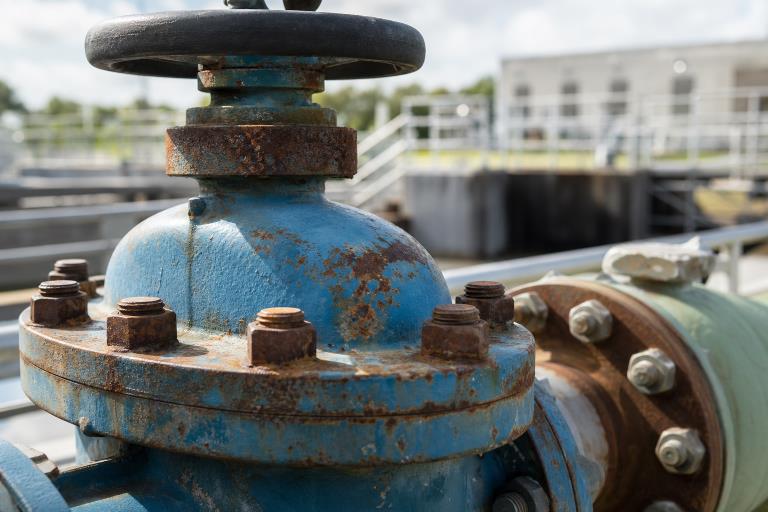
Resilience depends on daily maintenance as much as major construction. Well-designed infrastructure like bridges or water systems can fail if inspections, repairs, and records are neglected. Communities should set inspection schedules based on asset risk, document defects promptly, keep key parts in stock, and train staff on emergency procedures. Small repairs to bearings, valves, or seals can prevent bigger outages later. Maintenance results should be reviewed annually to identify problems needing larger solutions.
Build Projects In Manageable Phases
Limited budgets, staffing constraints, and grant timelines do not require communities to postpone all progress. A phased plan can make large needs more manageable while keeping each investment connected to the next.
- Phase One:Complete inspections, surveys, modeling, and priority rankings.
- Phase Two:Address urgent safety risks and protect essential services.
- Phase Three:Improve capacity, efficiency, drainage, and climate performance.
- Phase Four:Add long-term upgrades as funding becomes available.
Each phase should work independently while supporting the final system. This reduces stranded investments and gives communities a clear, focused case for grants, loans, utility revenues, regional partnerships, or local funding.
Pair Technical Analysis With Public Input
Public engagement should start before finalizing major design choices. Residents often know which intersections flood first, where sidewalks become unsafe, which roads are difficult for emergency vehicles to navigate, or how outages affect vulnerable households and businesses. Use maps, photos, plain language, and clear cost comparisons in meetings. Residents may identify a flood-prone intersection that was missing from older reports, prompting planners to inspect culverts, inlets, or drainage paths before construction.
Measure Whether A Project Is Working
Construction completion is not the final measure of success. Communities should track results over time, including:
- Service interruptions and emergency repair costs
- Road closure days and response times
- Water loss, energy use, and equipment downtime
- Flood complaints, drainage incidents, and inspection results
These measures help officials adjust maintenance schedules, support future budgets, and show residents how infrastructure investments are improving service.
Common Questions About Resilient Infrastructure
What Is The First Step In A Resilience Plan?
Begin with an asset and risk review. Communities need to understand their systems, their condition, and which failures would cause the greatest harm.
Does Resilient Infrastructure Always Cost More?
Not necessarily. Some design choices increase initial costs but reduce future repair, energy, emergency response, and replacement expenses.
How Can Small Communities Pay For Improvements?
Smaller communities can combine local funds, utility revenues, grants, loans, regional partnerships, and phased construction supported by a clear priority list.
Conclusion: Plan For Service, Not Just Construction
Resilient infrastructure is more than a new road, a larger pipe, or a reinforced bridge. It is a connected system built around safety, reliable service, maintenance, and future conditions. Communities that assess risks early, coordinate projects, listen to residents, and measure results can make steady, meaningful progress in 2026 and beyond.