A reliable hot water system is easy to take for granted until showers become cold, water temperatures fluctuate or an unexpected leak appears. Most systems do not last forever, and performance can gradually decline as components wear or faults develop. Arranging a professional hot water service in Geelong when recurring symptoms appear can help determine whether the system needs maintenance, repair or replacement before a complete failure causes greater inconvenience.
Not every change means the entire unit needs replacing. Some problems can be caused by individual components, plumbing issues or system settings. Recognising the warning signs early gives homeowners an opportunity to investigate the cause before the problem becomes more disruptive.
Hot Water Temperature Becomes Unreliable
One of the clearest signs of a developing problem is a noticeable change in water temperature. The water may no longer become as hot as expected, fluctuate between hot and cold, or take longer than usual to reach the desired temperature. Several issues can contribute to temperature problems depending on the type of system. Electric storage units may experience faults involving heating components or controls, while gas and continuous flow systems have their own components that can affect performance. The problem may also appear only during periods of high demand. If a household regularly runs out of hot water, the existing system might be struggling to keep up with current usage.
Before assuming the unit has failed, consider whether household demand has recently changed. Additional occupants, longer showers or simultaneous use of multiple fixtures can increase hot water consumption significantly. When temperature problems occur despite normal usage, professional assessment can help identify whether a component requires attention.
Your Hot Water Supply Does Not Last as Long
A storage system is designed to provide a certain volume of heated water. If the household suddenly begins running out much sooner than usual without any significant change in usage, the system may not be heating or storing water as effectively as before. Sediment accumulation can affect some storage systems over time, while ageing components may also influence heating performance. The specific cause depends on the system and local conditions.
It is useful to observe when the problem occurs. If hot water consistently runs out after one shower when the system previously supported several, this information can help a plumber investigate the issue. Household size should also be considered. A system that was appropriate when two people lived in a property may no longer meet demand if the number of occupants has increased. If replacement becomes necessary, reviewing current household requirements provides an opportunity to choose a system better suited to present and expected future use.
Leaks and Moisture Should Be Investigated
Water around a hot water system should not automatically be dismissed as harmless. Some moisture may be associated with normal operation of particular valves or system designs, but persistent leaking, pooling water or unexplained dampness requires investigation. The source could involve a connection, valve, pipe or the storage tank itself. Leaks can worsen over time and may damage surrounding flooring, walls or other property. Water escaping from the system can also indicate a problem that affects its performance.
Homeowners should avoid attempting repairs involving pressurised hot water, gas or electrical components themselves. Instead, note where the water appears to be coming from and arrange an appropriate inspection. Identifying the source early may allow a smaller problem to be addressed before it creates more extensive damage.
Unusual Noises or Changes in Water Quality Appear
Hot water systems normally make some sound during operation, but new or unusually loud noises can indicate that something has changed. Depending on the type of system, homeowners might notice banging, popping, rumbling or other sounds that were not previously present. Sediment, pressure-related issues or individual components can sometimes contribute to unusual operating noises. Changes in the appearance or smell of hot water should also be investigated. Discolouration affecting only the hot water may point towards an issue within the hot water system or associated pipework.
If both hot and cold water are affected, the cause may be elsewhere in the property’s water supply. Rather than attempting to diagnose the problem based solely on the symptom, compare what is happening at several fixtures. This information can help determine whether the issue appears limited to one tap, the hot water system or the broader plumbing network.
Age and Frequent Repairs Can Signal Replacement Time
Even a well-maintained hot water system will eventually reach the point where replacement becomes more practical than continuing with repairs. The expected working life varies according to system type, installation, water conditions, usage and maintenance history. Age alone does not automatically mean a unit should be replaced, but it becomes increasingly relevant when combined with recurring problems. If an older system requires frequent repairs, homeowners should consider the cost of maintaining it against the cost and potential benefits of replacement.
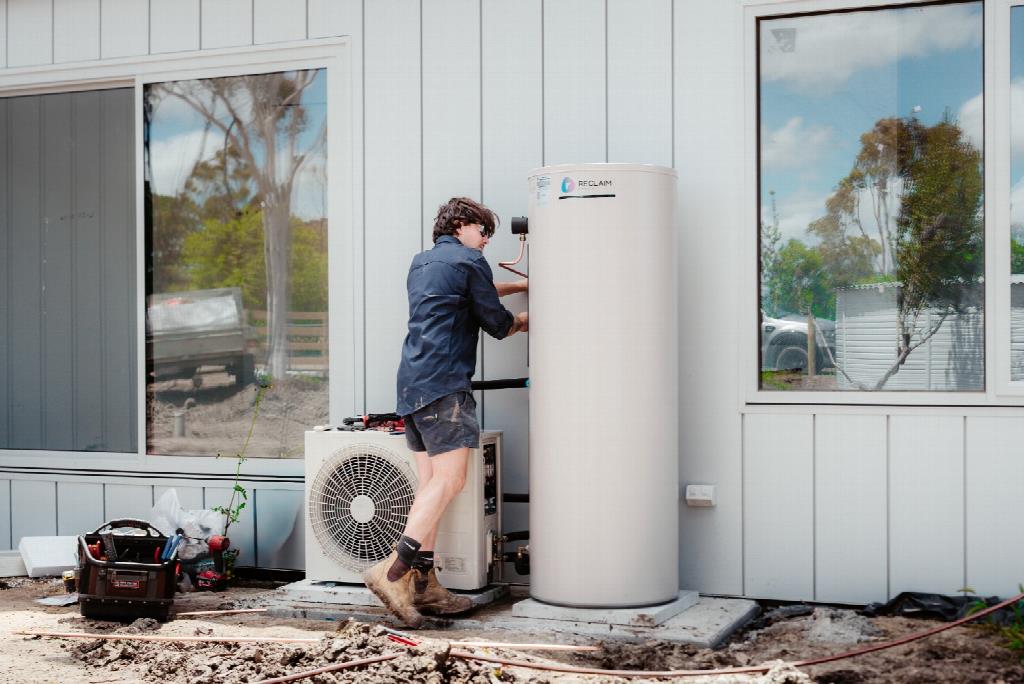
A replacement also provides an opportunity to reassess the type of hot water system used in the home. Depending on the property, available energy sources and household requirements, options may include electric storage, gas, continuous flow, heat pump or other suitable systems. Factors such as household size, installation space, energy use and expected demand should guide the decision rather than simply replacing the old unit with an identical system.
Regular Attention Can Reduce Unexpected Problems
Homeowners do not need to wait until they have completely lost hot water before paying attention to their system. Changes in performance often provide early warning that something needs investigation. Keeping the area around the unit visible and checking occasionally for leaks, corrosion or other unusual conditions can make developing issues easier to notice. Professional maintenance requirements depend on the type and manufacturer of the system. Following appropriate servicing recommendations can help ensure important components are inspected when required.
It can also be useful to know approximately how old the system is. If the unit was already installed when the property was purchased, checking available documentation or the system information may help with future planning. When a system is approaching the later stages of its expected service life, planning for eventual replacement can be less stressful than dealing with an emergency failure. Homeowners have more time to compare options, understand installation requirements and budget for the upgrade.
Conclusion
Hot water systems can show several warning signs before a complete failure occurs. Unreliable temperatures, reduced hot water supply, persistent leaks, unusual noises and changes in water quality all deserve attention, particularly when symptoms repeatedly return. The age of the system and its repair history can also help determine whether another repair is worthwhile or whether replacement should be considered.
Recognising these changes early gives homeowners more time to investigate the problem and make an informed decision. Rather than waiting until there is no hot water at all, addressing developing issues can reduce disruption and help keep the household’s hot water supply reliable.