Choosing a heat pump in Ottawa is about more than replacing a furnace or adding summer cooling. Your system needs to handle humid July afternoons, long heating seasons, and the sharp cold snaps that can affect comfort across Eastern Ontario. Homeowners exploring ways to Install Energy-Efficient Heat Pumps should begin with their home’s needs, then compare equipment and installation plans. The right choice balances dependable winter performance, room-by-room comfort, electrical and ductwork requirements, and a realistic long-term budget. A larger unit or the highest advertised efficiency rating is not automatically the better fit for an Ottawa home.
Start With Your Home
Heat pumps serve buildings, not just square footage. Insulation levels, window quality, air leakage, ceiling height, sun exposure, basement conditions, and how rooms connect all influence heating and cooling demand. Two Ottawa houses with the same floor area may require very different equipment if one has an insulated attic and sealed windows. In contrast, the other has a drafty addition over a garage. Also consider the distribution system. Existing ducts may make a central system practical, but they should be assessed for leakage, sizing, and airflow. A home without ducts may be better suited to a ductless design, particularly when only certain areas need conditioning.
Choose The Right System Type
Heat pump basics for Canadian homes describe several options that can work in new builds and retrofits. The best format depends on the building and existing equipment.
- Ducted air-source systems: Often suit homes with usable central ductwork.
- Ductless mini-splits: Use indoor heads to serve individual rooms, additions, converted spaces, or homes without ducts.
- Multi-zone systems: Connect several indoor units to one outdoor unit for more room-level control.
- Ground-source systems: Use underground loops and typically require more site planning and upfront investment.
- Dual-fuel systems: Pair a heat pump with a furnace or another backup heat source.
Match The Unit To Your Climate
Ottawa winters make cold-weather performance a priority. Heat pumps can extract heat from outdoor air in cold conditions, but heating output and efficiency change as temperatures fall. Compare a model’s published capacity at low temperatures, its minimum operating temperature, and the point at which supplemental heat may be used. Cold-climate equipment is designed to maintain useful performance in colder weather, but the whole system still must be properly sized and installed. Backup heat is not necessarily a sign that a system has failed. It can be part of a deliberate design for exceptional cold, defrost cycles, or peak demand. The important questions are how often it is expected to operate and which energy source it will use.
Compare Efficiency Ratings
Efficiency labels help compare similar systems, but they do not replace a home-specific design. SEER2 measures seasonal cooling efficiency, HSPF2 measures seasonal heating efficiency, and capacity ratings show heating or cooling output under stated conditions. Some Canadian product literature may use earlier SEER and HSPF terms, so ask the installer to explain which test standard applies. When reviewing cold-climate heat pump performance criteria, look beyond a single headline number. Consider low-temperature capacity, sound ratings near patios or bedroom windows, and whether the quoted indoor and outdoor components are rated together. A moderately rated system that matches the home may provide better value than a premium model that is poorly applied.
Get The Size Right
Oversized equipment can cycle on and off too frequently, which may reduce comfort and humidity control. Undersized equipment can run for long periods and may not meet demand during the coldest or hottest conditions. Request a professional heat-loss and heat-gain calculation, then ask what assumptions were used for insulation, windows, air leakage, and local design temperatures. Selecting equipment based solely on floor area is not a reliable sizing method.
Review Installation Needs
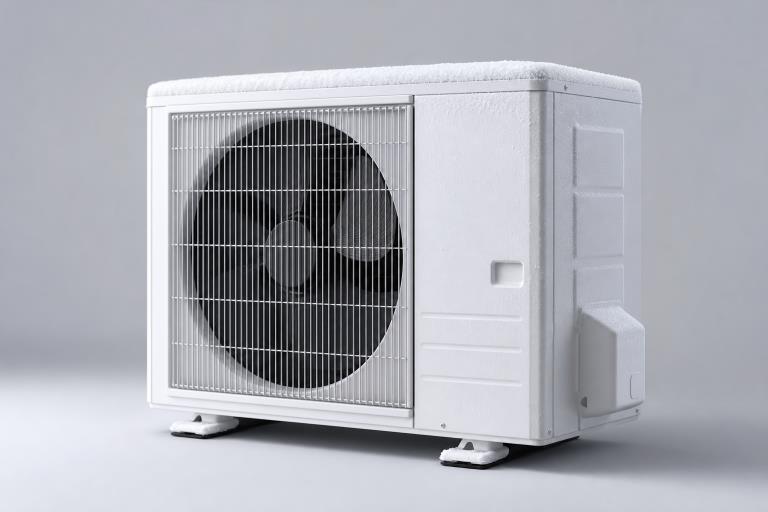
Installation quality affects efficiency, noise, reliability, and comfort. For ducted systems, confirm that the ducts can deliver the required airflow and identify any sealing or balancing work required. Check electrical panel capacity, wiring needs, thermostat compatibility, and whether older radiators or hydronic equipment require changes. The outdoor unit also needs a sensible location with drainage, snow clearance, service access, and appropriate separation from windows, walkways, and neighboring properties. Ask how condensate and defrost water will be managed during freeze-thaw weather.
Build A Realistic Budget
A complete quote should account for more than the outdoor unit. Review costs for equipment and indoor components, labor and commissioning, electrical upgrades, duct or pipework modifications, controls, permits, disposal, and site preparation. Future filter changes, seasonal maintenance, and possible repairs also belong in the long-term plan. Quotes vary because homes vary. Compare written scopes of work, equipment model numbers, included upgrades, warranty terms, and exclusions instead of comparing totals alone. Check available utility and government incentives before signing, since eligibility rules and funding can change.
Ask The Right Installer Questions
- Which system type suits this home, and why?
- What calculation supports the recommended capacity?
- How will this model perform during Ottawa’s coldest conditions?
- Will the ducts, panel, wiring, and thermostat need upgrades?
- What work is included, and what could cost extra?
- How will the outdoor unit be placed and drained?
- What maintenance and warranty coverage are recommended?
- Will you provide startup, airflow, and commissioning records?
Common Heat Pump Questions
Can A Heat Pump Heat A Home During Winter?
Yes, many modern systems are designed for cold climates. Results depend on model selection, building efficiency, correct sizing, and installation quality.
Will A Heat Pump Lower Energy Bills?
It can, but savings depend on the existing heating system, electricity and fuel prices, weather, home efficiency, and operating habits.
Does Every Home Need New Ductwork?
No. Existing ducts may be usable after inspection, while ductless systems can serve homes, additions, and specific zones without central ducts.
How Often Does A Heat Pump Need Maintenance?
Homeowners should keep filters clean and outdoor equipment clear. Professional service commonly includes checks of airflow, electrical components, coils, drainage, and overall operation.
Final Heat Pump Buying Checklist
- Assess insulation, windows, and air leakage.
- Choose between ducted, ductless, multi-zone, ground-source, or dual-fuel options.
- Review low-temperature capacity and backup-heat plans.
- Request a proper load calculation.
- Confirm electrical, ductwork, drainage, and placement requirements.
- Compare detailed written quotes, warranties, and service plans.
- Choose the system that fits the home, rather than simply the largest or highest-rated model.
A thoughtful heat pump purchase starts with an honest evaluation of the house. It ends with a clear installation scope, for Ottawa homeowners, climate-ready performance, careful sizing, and capable installation matter as much as the name on the equipment.
Conclusion
Choosing a heat pump for an Ottawa home starts with understanding the property, climate, and household needs. Proper sizing, cold-weather performance, suitable system design, and professional installation can be more important than choosing the largest unit or highest advertised efficiency rating. Homeowners should also consider electrical capacity, ductwork, drainage, placement, maintenance, warranty coverage, and the total installation cost. Comparing detailed quotes and available incentives can help clarify the long-term financial commitment. By evaluating these factors together and selecting equipment that fits the home rather than relying on a single specification, Ottawa homeowners can make a more informed decision about heating and cooling their homes throughout the year.