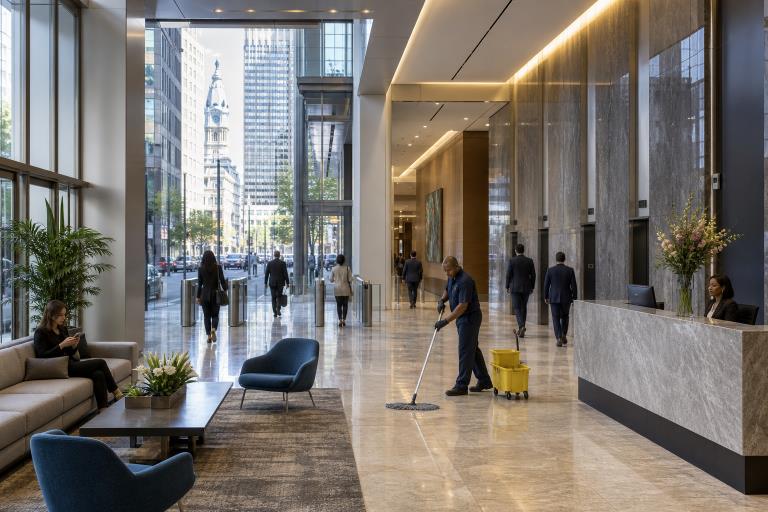
High-traffic workplaces in Philadelphia need cleaning plans that reflect how people actually use the building. A busy Center City office, University City classroom building, retail storefront, medical practice, warehouse, or apartment lobby can all have very different pressure points, even when their square footage is similar.
For facility teams that need help translating a walkthrough into an operating plan, CNS Cleaning in Philadelphia provides a useful local example. CNS Cleaning Company describes commercial cleaning support for Philadelphia facilities, including offices, healthcare settings, universities, industrial spaces, floor care, and daytime porter service in areas such as Center City, University City, and the Navy Yard. Its process emphasizes site walkthroughs, scheduled service, dedicated crews, and quality inspections, all of which are practical building blocks for a reliable cleaning program.
Why One Schedule Does Not Fit Every Workplace
A cleaning plan should not be based on square footage alone. A small clinic with frequent patient turnover may need repeated restroom and waiting-room checks, while a private office with limited visitors may need focused service after business hours. Schools, food-service areas, warehouses, and customer-facing businesses also create different kinds of soil, waste, touchpoints, and safety concerns.
Before assigning frequencies, assess daily employee and visitor counts, the number of shared rooms, flooring materials, work performed on-site, operating hours, security requirements, and public expectations. Review the plan when staffing levels, tenant use, construction activity, seasonal conditions, or building access change.
Divide the Building Into Cleaning Zones
Zone-based planning prevents teams from spending equal time on spaces with unequal needs. Start by grouping rooms according to how they are used.
- High-traffic zones: Entrances, lobbies, reception desks, elevators, corridors, stair rails, and waiting areas.
- Shared-use zones: Restrooms, kitchens, break rooms, conference rooms, copy areas, and shared workstations.
- Work zones: Private offices, classrooms, production areas, treatment rooms, and warehouse sections.
- Low-use zones: Storage rooms, vacant offices, back-of-house areas, and seasonal spaces.
This approach directs labor toward the places where moisture, litter, food debris, fingerprints, and visible wear accumulate fastest.
A Daily Cleaning Schedule for Busy Facilities
Entrances and Common Areas
Each day, remove litter, empty waste containers, clean entry glass and door handles, vacuum mats, and sweep or damp-mop hard floors as appropriate. During wet weather, inspect vestibules, stairs, and lobby floors more than once. Mud, rainwater, and deicing residue can make an otherwise clean entrance look neglected and may create slip concerns.
Restrooms, Break Rooms, and Kitchens
Clean toilets, urinals, sinks, counters, fixtures, mirrors, partitions, and doors. Refill soap and paper products, remove waste, and note leaks, clogs, odors, or damaged dispensers. In break rooms, clean counters, tables, sinks, appliance handles, and shared equipment according to manufacturer instructions. Food waste and floor spills should be addressed before they become odor or pest issues.
Touchpoints and Shared Equipment
Prioritize elevator buttons, door plates, light switches, stair rails, shared phones, touchscreens, copier controls, checkout counters, and similar high-contact surfaces. The CDC guidance for cleaning and disinfecting facilities notes that high-touch and high-traffic areas may require more frequent attention than other spaces.
Weekly and Periodic Work
Weekly tasks keep small details from becoming larger maintenance problems. Dust vents, ledges, blinds, baseboards, and horizontal surfaces. Detail corners, stairwells, interior glass, partitions, and areas behind movable furniture. Vacuum upholstered seating and inspect carpets and hard floors for stains, finish wear, or damage.
Monthly or periodic service can include deep-cleaning entry mats and carpets, scrubbing or refinishing hard floors when needed, high-dusting light fixtures and exposed surfaces, cleaning upholstery and window frames, and reviewing loading areas, storage rooms, and waste locations. A documented inspection at this stage should identify corrective work before building finishes deteriorate further.
Cleaning, Sanitizing, and Disinfecting
Cleaning removes soil, dust, oils, and debris. Sanitizing reduces germs on a surface. Disinfecting uses a product intended to kill or inactivate specified germs on a cleaned surface. The EPA distinction between cleaning, sanitizing, and disinfecting products is important because labels, approved surfaces, dilution instructions, and contact times affect how products should be used.
Routine cleaning is appropriate for many workplace surfaces. Disinfection may be appropriate after an illness event, in settings with specific protocols, or when a facility’s risk assessment calls for it. Workers should always follow product labels, use required protective equipment, and avoid mixing cleaning chemicals.
Philadelphia Seasonal Planning
Winter calls for extra mat care and frequent removal of moisture and salt residue near entrances. In spring, pollen and outdoor debris can increase dusting needs around windows, vents, and entryways. Summer can bring changing occupancy, events, humidity, and construction activity. In fall, prepare for more indoor activity by checking handwashing supplies, tissues, waste capacity, and high-touch procedures.
Build the Schedule Around Operations
- Map opening rushes, lunch periods, visitor peaks, shift changes, and closing routines.
- Schedule noisy or disruptive work, such as vacuuming and floor care, outside peak hours when possible.
- Use daytime support for spills, restroom checks, restocking, and immediate waste removal.
- Coordinate access to secured offices, treatment rooms, classrooms, production areas, and technology spaces.
- Create a clear response process for leaks, odors, illness concerns, and unexpected events.
What a Useful Cleaning Checklist Includes
For every zone, list the required task, frequency, assigned worker or team, supplies needed, completion time, inspection status, and notes for repairs or follow-up. A shorter checklist that supervisors review consistently is more useful than a long document that does not reflect real building conditions.
Questions to Ask a Cleaning Provider
- How will cleaning frequency be set for each room and traffic level?
- Who checks quality, and how are missed tasks corrected?
- Can service include evenings, weekends, and daytime porter coverage?
- How are workers trained to use products and protective equipment safely?
- Can the plan change during weather events, renovations, or occupancy shifts?
Frequently Asked Questions
How often should a high-traffic office be cleaned?
Many high-traffic offices benefit from daily service. Restrooms, entrances, break rooms, and shared touchpoints may need checks more than once during the day.
What should be cleaned first?
Start with restrooms, entrances, public counters, elevators, break rooms, and any location where spills, waste, or moisture could affect occupants.
How do you know the schedule is working?
Track inspection results, supply shortages, recurring complaints, visible soil, restroom conditions, and repeat problem areas. Adjust the schedule when those records show that a zone needs more or less attention.
Conclusion
A dependable cleaning schedule is built around use, not just size. By dividing a Philadelphia workplace into zones, assigning daily and periodic work, planning for local weather, and reviewing results regularly, facility teams can maintain cleaner shared spaces and catch problems before they grow.