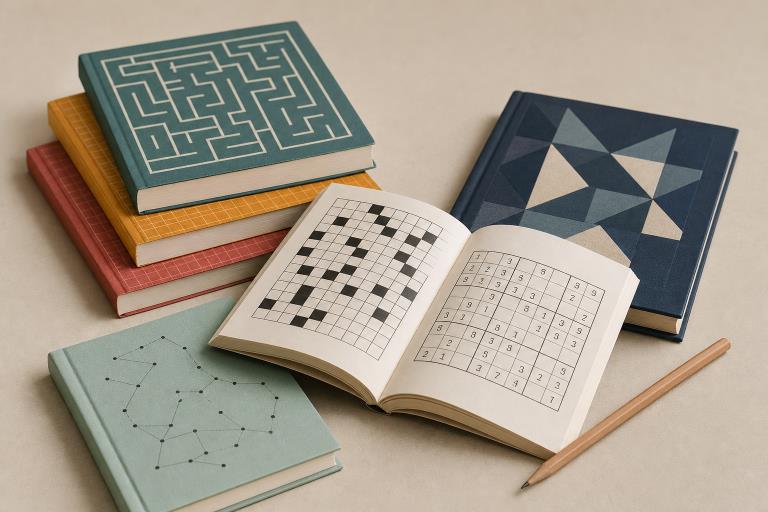
Creating a sustainable puzzle routine does not require setting aside hours each day or solving the same type of puzzle repeatedly. A few minutes during a morning break, after work, or before bed can provide a consistent opportunity to focus, relax, and enjoy a screen-free activity. The key is choosing a routine that fits naturally into your schedule and remains enjoyable over time.
Incorporating variety into your puzzle routine can help keep it interesting. By rotating between word searches, crosswords, logic games, and other puzzle types, you can enjoy different challenges without the activity feeling repetitive. Resources like https://www.pennydellpuzzles.com/variety-puzzles/ provide a diverse selection of puzzle styles, making it easier to choose an activity that suits your mood, available time, or desired level of difficulty.
Why Puzzle Variety Matters
Different puzzle formats can support different moods, preferences, and levels of attention. A word puzzle may suit a quiet break, while a number grid can provide a more structured challenge, and a visual or deduction puzzle may require closer concentration. Choosing among these options lets you adjust the activity without changing the overall routine.
Variety can also make it easier to continue solving puzzles regularly. On days when you want something familiar, a favorite format may be enough; when you want a greater challenge, another type can provide a fresh change of pace. This flexibility helps keep puzzle time enjoyable without requiring longer sessions.
How to Choose the Right Challenge
Before beginning, check the difficulty, instructions, layout, and likely time commitment. A short, clearly printed puzzle may be ideal for a lunch break, while a multi-step logic problem may suit a quiet weekend morning. Choose a challenge that feels inviting rather than punishing, and keep an easier option available for days when your attention is limited.
How to Build a Weekly Puzzle Routine
Start with 10 to 20 minutes at a time and treat the schedule as a menu, not a rulebook.
- Monday: Try a brief vocabulary or clue-based puzzle.
- Wednesday: Work through a number grid or logic challenge.
- Friday: Choose a visual sequence, matching game, or pattern puzzle.
- Weekend: Set aside time for a longer mixed session, alone or with others.
Consistency matters more than completing a certain number of pages. If you miss Wednesday, simply choose another day.
How to Balance Easy and Difficult Puzzles
Easy puzzles have a place. They can serve as warm-ups, provide a calming break, and help you end a session with a sense of completion. Harder puzzles invite slower, more deliberate work. A useful starting balance is two comfortable challenges for everyone that genuinely stretch you. When frustration takes over, pause and return later. Taking a break is a practical problem-solving strategy, not a failure.
Match Puzzle Types to Personal Goals
- Vocabulary practice: Choose anagrams, word searches, crosswords, or clue-based games.
- Pattern spotting: Try visual sequences, matching puzzles, and grid-based challenges.
- Step-by-step reasoning: Select deduction problems, number puzzles, and logic grids.
- Relaxed downtime: Return to a familiar format with clear rules and moderate difficulty.
- Family participation: Pick puzzles that encourage discussion and allow different approaches.
These are practical matches, not medical promises. Doing well at one kind of puzzle does not automatically improve every real-world skill.
Ways to Make Puzzle Solving Social
A weekly puzzle hour can turn a solitary hobby into a shared ritual. Let each person bring one puzzle, compare methods rather than just finishing times, and use hints as conversation starters. For example, family members might take turns choosing a word puzzle, a visual challenge, and a logic problem, and then explain how they arrived at each answer. Team solving also works well when one person reads clues and another writes responses.
Common Routine Mistakes to Avoid
- Making every session a test: Enjoyment is a valid reason to solve.
- Choosing only the hardest puzzles: Constant difficulty can make the habit less appealing.
- Using speed as the only measure: Accuracy, patience, and curiosity matter too.
- Ignoring discomfort: Use good lighting, readable print, and short breaks when needed.
- Expecting puzzles to replace healthy habits: They are leisure activities, not medical treatment.
How to Track Progress Without Pressure
A simple log can reveal what you enjoy without turning the hobby into homework. Note the date, puzzle type, approximate time spent, what felt easy or difficult, and whether you enjoyed the session. Progress may mean recognizing a familiar pattern of clues, staying with a hard problem longer, or trying a new format with less hesitation. Perfect scores are optional.
What Research Does and Does Not Show
Puzzles can be mentally engaging, but they should not be presented as a guaranteed way to prevent dementia, memory loss, or disease. Reporting on activities that challenge the brain also emphasizes a broader picture that includes lifelong learning, physical activity, and social connection.
Variety is still a sensible choice for enjoyment. In research involving mice, flexible brain circuits can switch between different tasks, offering useful background on how researchers study different kinds of information and task demands. That finding does not prove that a puzzle routine produces a particular health outcome in people, but it supports a thoughtful approach to mixing activities rather than relying on one familiar format.
Final Takeaway
The best puzzle routine is varied, realistic, and enjoyable enough to repeat. Mix short and long sessions, pair comfortable puzzles with occasional difficult ones, and invite others to join when it sounds fun. Whether you solve for a few minutes after lunch or settle in for a weekend challenge, puzzles can provide a pleasant pause and a fresh problem to explore.