Defining True Emergency Plumbing and HVAC Repairs
Understanding the difference between a minor inconvenience and a genuine emergency is the first step in effective home management. Not every system hiccup requires a frantic 2 AM call. True emergencies pose an immediate threat to safety, health, or property, demanding prompt, 24/7 professional intervention. Non-emergency issues, while needing attention, can typically wait for standard business hours without significant risk.
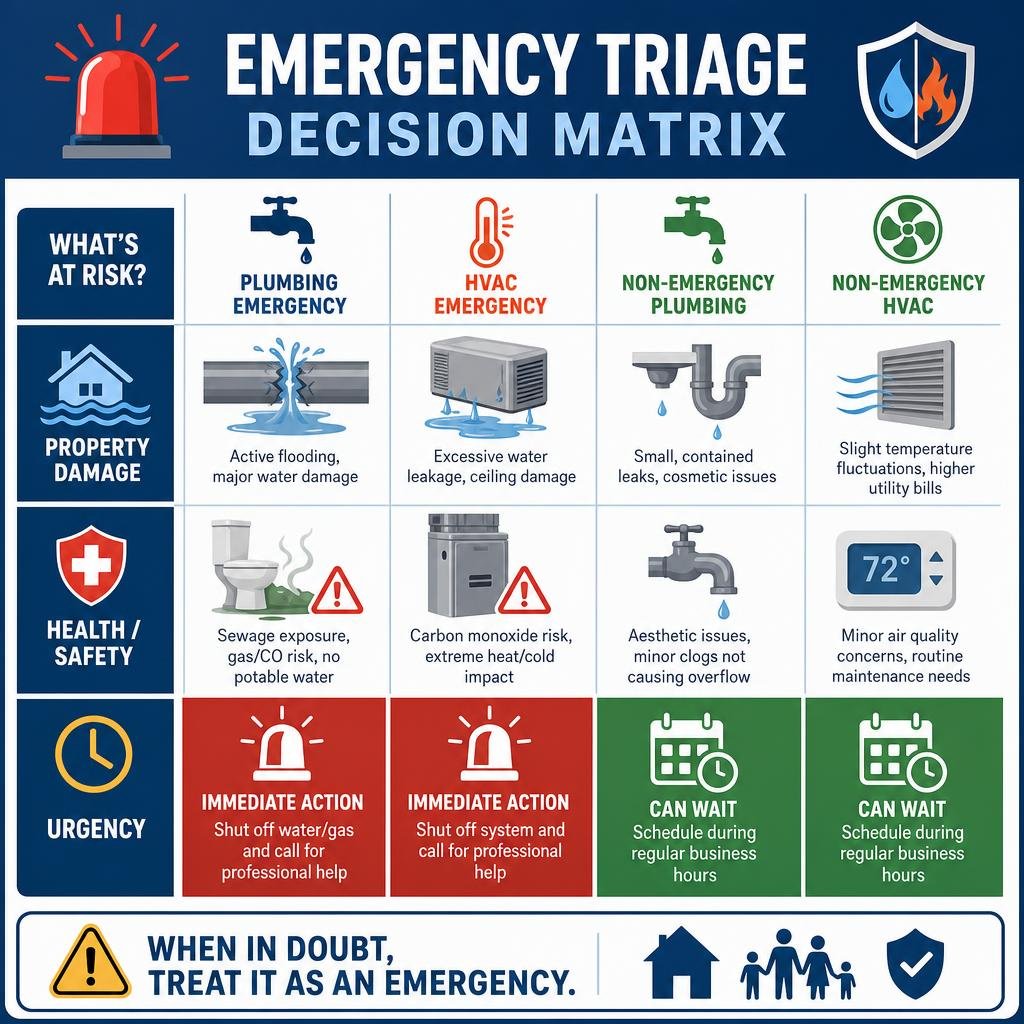
Here’s a breakdown to help differentiate:
Scenario Type Plumbing Emergency HVAC Emergency Non-Emergency Plumbing Non-Emergency HVAC Immediate Threat Burst pipes, sewage backup, gas leaks from water heater, no water supply. Total heating/cooling loss in extreme weather, gas odor from furnace/AC. Minor drips, slow drains, running toilet, low water pressure. Routine noises, intermittent cooling, minor thermostat issues. Property Damage Active flooding, significant water damage, structural compromise. Excessive water leakage from AC unit causing ceiling damage. Small, contained leaks, cosmetic fixture issues. Slight temperature fluctuations, higher utility bills. Health/Safety Sewage exposure, carbon monoxide risk from water heater, no potable water. Carbon monoxide risk from furnace, extreme heat/cold affecting vulnerable. Aesthetic issues, minor clogs not causing overflow. Minor air quality concerns, routine maintenance needs. Urgency Requires immediate shutdown of water/gas and professional dispatch. Requires immediate shutdown of system and professional dispatch. Can be scheduled during regular business hours. Can be scheduled during regular business hours.
Critical Signs That Require Immediate Action
When any of these situations arise, time is of the essence. Delaying action can lead to extensive damage, health hazards, and significantly higher repair costs.
- Active Flooding: A burst pipe can release gallons of water per minute, leading to rapid and severe water damage. This includes water gushing from a pipe, a rapidly filling basement, or water pouring through ceilings.
- Sewage Overflow: Any backup of sewage into your home, whether from toilets, drains, or a main sewer line, is a biohazard and requires immediate professional attention to prevent disease and contamination.
- Gas Odors: A distinct smell of rotten eggs indicates a natural gas leak. This is extremely dangerous and requires immediate evacuation and professional intervention.
- Total Heating Loss in Winter (or Cooling in Summer): During extreme temperatures, a complete failure of your heating or cooling system can pose serious health risks, especially for vulnerable populations like the elderly, infants, or those with medical conditions.
- Refrigerant Leaks: While not always immediately obvious, a significant refrigerant leak can compromise air quality and system function, sometimes indicated by a hissing sound or a lack of cooling.
- Electrical Sparks or Burning Smells: If you notice sparks, smoke, or a burning plastic smell near your furnace, AC unit, or water heater, it could indicate an electrical fault that poses a fire hazard.
- Frozen Pipes: In colder climates, frozen pipes can burst, leading to major water damage. If you suspect a frozen pipe (e.g., no water from a tap in freezing weather), it’s an urgent situation.
Non-Emergency Issues That Can Wait for Scheduled Service
While these issues can be annoying, they generally do not pose an immediate threat and can be addressed during a regular service appointment.
- Minor Drips: A leaky faucet or a slow drip under a sink, while wasteful, usually doesn’t require an emergency call unless it’s rapidly worsening or causing significant damage.
- Slow Drains: A drain that empties slowly but isn’t completely clogged or overflowing can typically wait for a scheduled drain cleaning.
- Routine Noises: Minor squeaks, hums, or clicks from your HVAC system that aren’t accompanied by performance issues or burning smells can often be diagnosed during a routine maintenance visit.
- Intermittent Cooling or Heating: If your system is still providing some level of comfort, even if it’s not optimal, it might not be an emergency unless temperatures are extreme or vulnerable individuals are present.
- Fixture Upgrades: Planning to replace a toilet, sink, or showerhead is a scheduled project, not an emergency.
- Scheduled Tune-Ups: Annual maintenance for your furnace, AC, or water heater is proactive and planned, not reactive to a crisis.
Immediate Steps Homeowners Must Take During a Crisis
When an emergency strikes, panic is a natural reaction, but quick, decisive action can significantly mitigate damage and ensure safety. Knowing these critical first steps can make all the difference while you await professional help.
How to Locate and Shut Off the Main Water Supply
For any plumbing emergency involving water—such as a burst pipe, a rapidly leaking water heater, or an overflowing toilet—your absolute first step is to shut off the main water supply to your home. This action can prevent thousands of dollars in water damage.
- Identify Your Valve Type: Most homes have either a gate valve (a round handle that you turn clockwise multiple times) or a ball valve (a lever handle that you turn 90 degrees). Ball valves are quicker to operate.
- Locate the Valve:Outside: Often, the main shut-off valve is located near your water meter, typically in a meter box near the street or property line.
- Inside: For many homes, especially those with basements or crawl spaces, the main shut-off valve is where the main water line enters the house. This could be in your basement, utility closet, garage, or crawl space.
- Practice: It’s highly recommended to locate and test your main water shut-off valve before an emergency occurs. Ensure it turns easily and that everyone in your household knows its location and how to operate it.
Once the water is off, focus on containing any existing water by using buckets, towels, or wet/dry vacuums. Document the damage with photos or videos for insurance purposes.
Gas Leak Protocols and Electrical Safety Measures
Gas leaks and electrical hazards are among the most dangerous emergencies. Your safety and the safety of your household are paramount.
For Suspected Gas Leaks: Natural gas is odorless, but utility companies add a chemical called mercaptan to give it a distinctive “rotten egg” smell. If you detect this odor:
- Evacuate Immediately: Get everyone out of the house, including pets. Do not use light switches, phones, appliances, or anything that could create a spark.
- Do Not Try to Locate the Leak: Leave that to professionals.
- Call 911: Once you are a safe distance away from your home, call emergency services.
- Notify Your Utility Company: After calling 911, contact your local gas utility company to report the leak.
- Do Not Re-enter: Do not go back into your home until emergency responders or the utility company has declared it safe.
For Electrical Hazards (Sparks, Burning Smells): If an HVAC unit or plumbing appliance (like a water heater) is sparking, smoking, or emitting a burning plastic smell:
- Cut Power: If it’s safe to do so, immediately go to your main electrical panel and shut off the main breaker or the specific breaker for the affected appliance.
- Evacuate if Necessary: If there’s a risk of fire or significant smoke, evacuate your home.
- Call for Help: Contact emergency services (911) if there’s a fire or immediate danger, then call a qualified technician.
Always prioritize safety. Never attempt to fix gas lines or significant electrical issues yourself.
Distinguishing Between Plumbing and Climate Control Failures
When a home system fails, it’s not always immediately clear whether you need a plumber or an HVAC technician. Some issues can even seem to overlap, especially with modern integrated systems. Understanding the primary function of each professional can help you make the right call and get the quickest resolution.
Generally, plumbers handle anything related to water supply, drainage, and gas lines within the home’s structure. HVAC technicians specialize in heating, ventilation, and air conditioning systems, focusing on air quality, temperature regulation, and refrigerant systems.
When to Call a Plumber vs. an HVAC Technician
Call a Plumber for:
- Water Leaks: Burst pipes, leaking faucets, running toilets, water heater leaks (unless it’s a gas line issue to the water heater, then it might involve both).
- Drainage Issues: Clogged drains, sewage backups, slow-draining sinks or tubs.
- Water Heater Problems: No hot water (if not electrical/gas supply related), strange noises from the water heater, water heater leaks or ruptures.
- Gas Leaks (General): If you suspect a gas leak from your gas meter, gas lines leading to appliances, or a gas water heater.
- Sump Pump Failures: If your basement is flooding due to a non-functional sump pump.
- Low Water Pressure: Issues with the main water supply line or internal plumbing.
Call an HVAC Technician for:
- No Heating or Cooling: Complete system failure for your furnace, boiler, heat pump, or air conditioner.
- Poor Airflow or Temperature Regulation: Uneven heating/cooling, thermostat malfunctions.
- Strange Noises from HVAC Units: Grinding, banging, or persistent squealing from your furnace or AC outdoor unit.
- Refrigerant Leaks: Indicated by a hissing sound, ice on refrigerant lines, or a lack of cooling.
- Condensate Drain Issues (AC): If your AC unit is leaking water from the indoor unit due to a clogged condensate drain pan or pump.
- Gas Leaks (Specific to Furnace/Boiler): If the gas odor is clearly emanating from your furnace or boiler unit.
Managing Complex Scenarios with Emergency Plumbing and HVAC Repairs
Some situations can be tricky, involving components that bridge both plumbing and HVAC systems.
- Heat Pumps: These systems provide both heating and cooling and involve refrigerant lines, electrical components, and sometimes water (for geothermal or hydronic heat pumps). A general failure would typically fall under an HVAC technician’s purview, but a significant water leak from a hydronic system might involve a plumber too.
- Boiler Systems: Boilers heat water to provide warmth through radiators or radiant floor heating. Issues with the boiler unit itself (e.g., no heat, strange noises) are for an HVAC technician. However, leaks in the hydronic piping or radiators often require a plumber.
- Water Heater Rupture: A sudden rupture of a water heater causing significant flooding is a plumbing emergency. If it’s a gas water heater and you smell gas, it becomes a dual concern for both safety and plumbing.
- Slab Leaks: Water leaks under your home’s concrete slab can affect both plumbing and potentially radiant heating lines embedded in the slab. Detecting and repairing these often requires specialized equipment and expertise that might span both trades.
When in doubt, describe the problem in detail to the service dispatcher. Many reputable companies offer both plumbing and HVAC services, allowing them to dispatch the correct specialist or coordinate a multi-disciplinary approach for complex emergency repairs and installations. This ensures your issue is resolved efficiently and effectively.
Selecting Reliable Providers and Understanding Service Costs
When facing an emergency, the urgency can tempt homeowners to call the first company they find. However, taking a moment to ensure you’re hiring a reliable, qualified professional can save you from further headaches, shoddy work, or inflated costs.
Licensing, Certifications, and Workmanship Guarantees
A reputable emergency service provider will demonstrate their professionalism through proper credentials and commitments to quality.
- Licensing: Always verify that the company and its technicians are properly licensed by your state or local authorities. For plumbing, look for licensed plumbers (journeyman or master plumbers). For HVAC, ensure technicians are certified. This ensures they meet minimum standards of competence and adhere to local codes.
- Certifications:HVAC: Look for NATE (North American Technician Excellence) certification, which indicates a high level of expertise in HVAC. EPA 608 certification is crucial for technicians handling refrigerants, ensuring they do so safely and legally.
- Plumbing: While less common than HVAC-specific certifications, ongoing training and specialized certifications (e.g., for backflow prevention, water heater installation) demonstrate a commitment to current best practices.
- Insurance and Bonding: Ensure the company carries adequate liability insurance and is bonded. This protects you in case of accidental damage to your property during repairs or if a technician is injured on your premises.
- Workmanship Guarantees/Warranties: A reliable provider stands behind their work. Ask about their warranty on parts and labor. A common standard is a 1-year warranty on workmanship, with parts warranties varying by manufacturer. This provides peace of mind that if the repair fails shortly after service, they will address it.
- Reputation and Reviews: Check online reviews (Google, Yelp, BBB) and ask for local references. A long-standing positive reputation in the community is a strong indicator of trustworthiness.
What to Expect for Emergency Plumbing and HVAC Repairs Pricing
Emergency services inherently come with different pricing structures than scheduled appointments due to the immediate dispatch and after-hours availability. Transparency in pricing is a hallmark of a trustworthy company.
- Diagnostic Fees: Most emergency service providers charge a diagnostic fee to assess the problem. This fee covers the technician’s time to travel to your home and identify the issue. Sometimes, this fee is waived or credited towards the repair cost if you proceed with the service.
- After-Hours Premiums: Expect higher rates for service calls outside of standard business hours (evenings, weekends) and on holidays. These premiums compensate technicians for working during these times.
- Flat-Rate vs. Hourly: Many companies use flat-rate pricing for common repairs, meaning you’re quoted a total price for the job before work begins, regardless of how long it takes. This provides predictability. Others may charge hourly, often with a minimum number of hours. Ensure you understand the pricing model upfront.
- Upfront Quotes: A professional technician should provide a detailed, written quote outlining all costs (parts, labor, diagnostic fee, emergency surcharge) before starting any repair work. Never authorize work without a clear understanding of the total cost.
- Parts Markup: It’s standard for service providers to mark up the cost of parts. This covers their inventory, sourcing, and warranty management.
While emergency repairs might seem expensive, remember you’re paying for immediate expertise, specialized tools, and 24/7 availability. Always get a clear explanation of charges and don’t hesitate to ask questions.
Proactive Maintenance Strategies to Prevent System Failures
The best way to handle a plumbing or HVAC emergency is to prevent it from happening in the first place. Regular, proactive maintenance can significantly reduce the likelihood of sudden breakdowns, extend the lifespan of your systems, improve energy efficiency, and save you money in the long run.
Seasonal Checklists for Heating and Cooling Systems
Your HVAC systems work hard year-round, making seasonal checks essential.
Fall (Pre-Heating Season):
- Furnace/Boiler Inspection: Schedule a professional tune-up. Technicians will inspect the heat exchanger for cracks (a carbon monoxide risk), clean burners, check electrical connections, test safety controls, and ensure proper gas pressure.
- Thermostat Calibration: Ensure your thermostat is accurate and functioning correctly. Consider upgrading to a smart thermostat for better control and energy savings.
- Filter Replacement: Replace furnace filters every 1-3 months, or more frequently if you have pets or allergies. A clean filter ensures optimal airflow and air quality.
- Ductwork Inspection: Check for leaks or disconnections in ductwork, which can lead to significant heat loss.
Spring (Pre-Cooling Season):
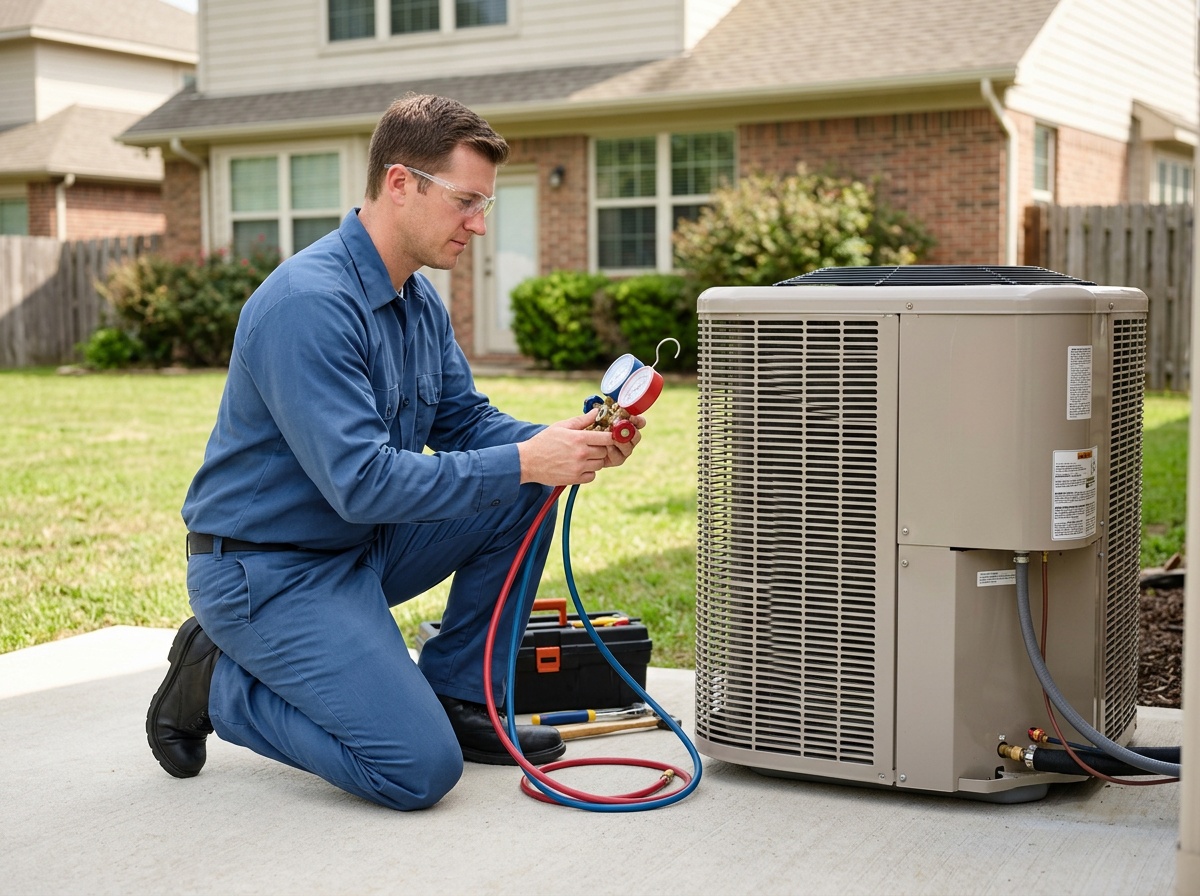
- AC System Tune-Up: A professional will clean the condenser and evaporator coils, check refrigerant levels, inspect electrical components, lubricate moving parts, and clear the condensate drain line.
- Airflow Testing: Ensure proper airflow through vents. Clear any obstructions.
- Thermostat Check: Verify your thermostat switches correctly from heat to cool and maintains desired temperatures.
- Outdoor Unit Clearance: Clear away any debris, leaves, or vegetation from around your outdoor AC unit to ensure proper airflow.
Plumbing Upkeep and Freeze Protection
Plumbing systems, though often out of sight, require attention to prevent leaks and blockages.
- Annual Plumbing Inspection: Consider an annual check-up by a plumber to inspect for hidden leaks, check water pressure, examine water heater components (anode rod, pressure relief valve), and assess the condition of pipes.
- Drain Maintenance: Avoid pouring grease down drains. Use drain strainers to catch hair and food particles. Periodically flush drains with hot water and baking soda/vinegar to keep them clear.
- Water Heater Care: Flush your water heater annually to remove sediment buildup, which improves efficiency and extends its life. Test the temperature and pressure relief valve regularly.
- Pipe Insulation: In unheated areas like crawl spaces, basements, or garages, insulate exposed pipes, especially those near exterior walls, to prevent freezing during cold months.
- Hose Bibs: Disconnect garden hoses from outdoor spigots before winter to prevent water from freezing in the pipes and causing bursts.
- Water Pressure: Install a water pressure regulator if your home’s water pressure is consistently too high (above 80 psi), as high pressure can stress pipes and fixtures, leading to leaks.
- Sump Pump Check: If you have a sump pump, test it periodically (e.g., by pouring water into the pit) to ensure it’s working correctly, especially before rainy seasons.
By investing a little time and money into preventative maintenance, you can significantly reduce the stress and cost associated with emergency repairs.
Frequently Asked Questions About Emergency Repairs
Homeowners often have similar questions when confronted with the prospect of emergency plumbing and HVAC repairs. Here, we address some of the most common concerns.
Are after-hours and holiday emergency service calls more expensive?
Yes, it is standard practice across the industry for emergency service calls made outside of regular business hours—including evenings, weekends, and holidays—to incur additional charges. These premiums compensate technicians for working during non-standard times and for the immediate dispatch required. You can expect:
- Higher Diagnostic Fees: The initial fee to have a technician come out and assess the problem may be higher.
- Overtime Rates: Labor costs are often increased due to overtime pay for technicians.
- Holiday Premiums: Calls on major holidays typically carry the highest surcharges.
- Upfront Estimates: Reputable companies will provide a clear, upfront estimate that includes all these additional costs before any work begins. Always ask for this breakdown.
While the cost is higher, the value lies in the immediate resolution of a potentially damaging or dangerous situation that cannot wait for regular business hours.
How quickly does mold grow following a major indoor pipe burst?
Mold can begin to grow surprisingly quickly after a major indoor pipe burst or any significant water intrusion. In Petersburg’s humid climate, for instance, mold spores can start to germinate and spread within 24 to 48 hours of water exposure. This rapid propagation underscores the urgency of addressing water damage immediately.
- Moisture Mitigation: The key to preventing mold is rapid water extraction and thorough drying of affected areas.
- Humidity Control: Maintaining indoor humidity levels below 60% (ideally 30-50%) is also crucial after a water event.
- Professional Help: For significant water damage, engaging a professional water damage restoration service alongside your plumbing repair is highly recommended to ensure proper drying and mold prevention.
What warranties should be expected after an urgent repair?
When you pay for an emergency repair, you should expect a level of assurance that the work is done correctly and will last.
- Workmanship Guarantee: Most reputable service providers offer a warranty on their labor, typically ranging from 30 days to 1 year. This guarantees that if the repair fails due to faulty workmanship within that period, they will return to fix it at no additional labor charge.
- Parts Warranty: New parts installed during a repair usually come with a manufacturer’s warranty. This can vary significantly, from 90 days to several years, depending on the component. The service provider should inform you of the specific part warranty.
- Documentation: Always ensure you receive a detailed invoice outlining the work performed, parts installed, and the specifics of any warranties provided. This documentation is crucial if you need to make a warranty claim later.
It’s always wise to clarify the warranty terms with your service provider before they begin any work, ensuring you understand what is covered and for how long.
Conclusion
Facing a plumbing or HVAC emergency can be a daunting experience, but being prepared and knowing the right steps can significantly reduce stress, damage, and cost. We’ve explored what constitutes a true emergency, the critical immediate actions homeowners must take, and how to discern when to call a plumber versus an HVAC technician.
The key to navigating these crises lies in rapid response, making safety your top priority, and engaging reliable, licensed professionals. While emergencies are unpredictable, investing in routine maintenance and understanding your home’s systems can go a long way in preventing future breakdowns. By taking proactive steps and knowing who to call when the unexpected happens, you can protect your property, ensure your family’s comfort and safety, and maintain peace of mind.