Key Features of Modern Exterior Smart Plug Solutions
Modern Exterior smart plug solutions have evolved significantly, offering more than just simple on/off control. They are designed to seamlessly integrate with your smart home ecosystem, bringing advanced automation and convenience to your outdoor spaces. These devices often boast features like smart scheduling, allowing you to automate everything from garden fountain operation to seasonal lighting displays. Many models include dual outlets, providing independent control over two separate devices from a single plug. Energy monitoring capabilities, though not universal, can help us track power consumption and identify opportunities for savings.
Voice assistants such as Alexa, Google Assistant, and Siri are almost universally supported, enabling hands-free control of connected devices. For enhanced reliability and responsiveness, many plugs offer local control, meaning they can function even if your internet connection temporarily drops. Automated scenes allow us to group multiple devices and trigger actions based on schedules, environmental conditions, or other smart home events, creating a truly dynamic outdoor environment.
In addition to basic automated scenes, real-time energy monitoring has become an invaluable tool for eco-conscious homeowners. High-end exterior plugs feature onboard metering microcontrollers that calculate real-time voltage, current draw, active wattage, and cumulative kilowatt-hours (kWh). By capturing this telemetry, companion apps can generate granular usage reports, estimate electric utility costs, and immediately alert us if a device like an engine block heater or pond aeration pump experiences an abnormal surge or unexpected continuous draw. Identifying baseline standby power loss, commonly called vampire load, helps optimize scheduled off-cycles and protects both the connected equipment and household budget.
Weatherproofing Standards for Exterior Smart Plug Solutions
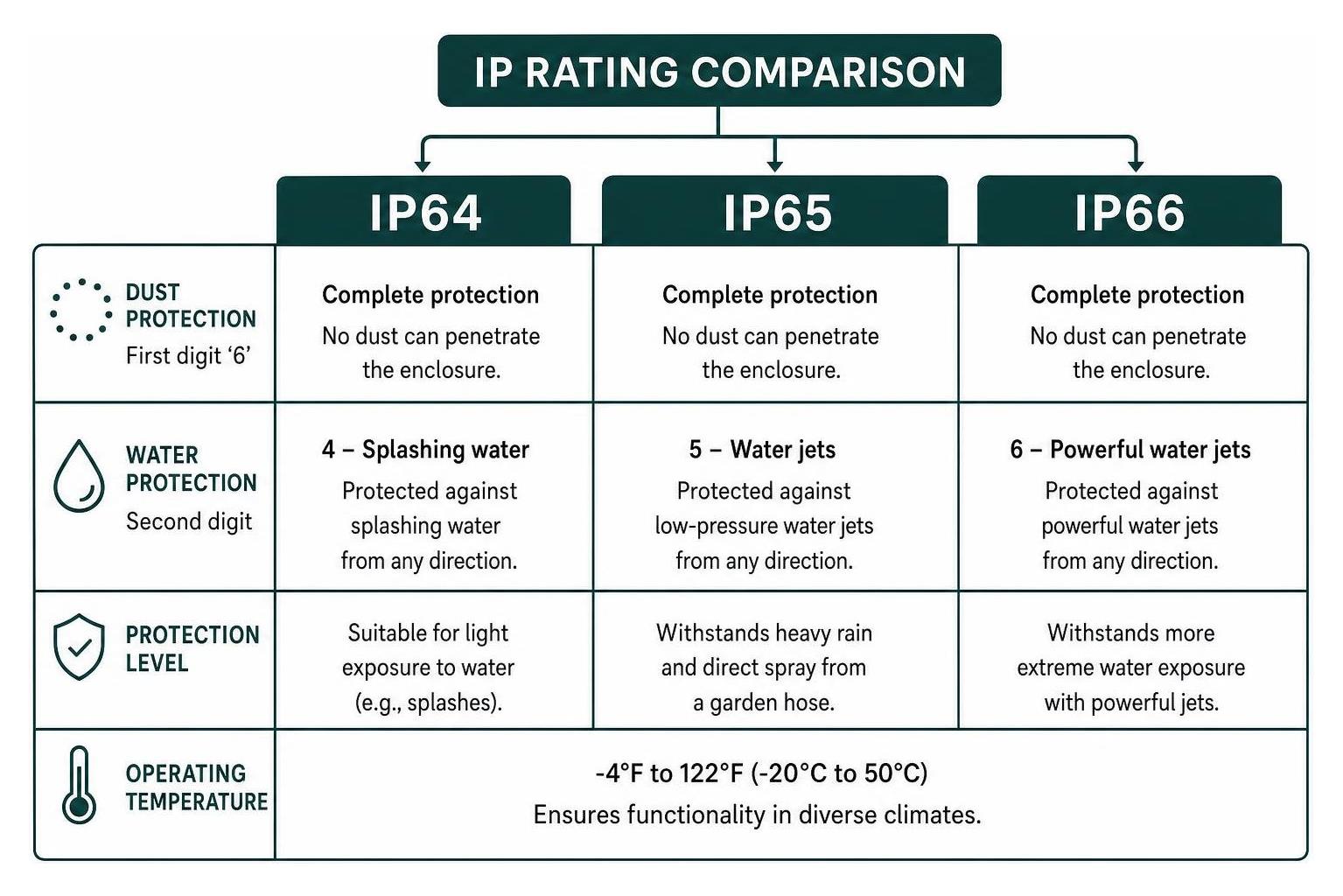
The most critical distinction between indoor and outdoor smart plugs lies in their weather resistance. Outdoor models are engineered to endure harsh environmental conditions, from scorching sun to freezing rain. This resilience is quantified by their Ingress Protection (IP) rating, a two-digit code indicating protection against solids (dust) and liquids (water).
- IP64 Protection: The first digit ‘6’ signifies complete protection against dust ingress, meaning no dust can penetrate the enclosure. The second digit ‘4’ indicates protection against splashing water from any direction.
- IP65 Rating: This is a common and robust rating for outdoor smart plugs. The ‘6’ again means full dust protection. The ‘5’ indicates protection against low-pressure water jets from any direction. This means it can withstand heavy rain and even a direct spray from a garden hose for a sustained period without damage.
- IP66 Rating: Offering even greater protection against liquids, IP66 devices are protected against powerful water jets. While IP65 is generally sufficient for most residential outdoor applications, IP66 provides an extra layer of security against more extreme water exposure.
Beyond IP ratings, we also look for devices that specify a wide operating temperature range, typically from -4°F to 122°F (-20°C to 50°C), ensuring functionality in diverse climates. High-grade polycarbonate casings with UL 94-V0 flame retardancy ratings and UV-resistant stabilizers prevent yellowing, embrittlement, and micro-cracking caused by relentless sunlight exposure. Furthermore, silicone or thermoplastic elastomer (TPE) outlet port gaskets prevent moisture seepage when sockets remain unplugged during rainy spells.
Matter and Connectivity in Exterior Smart Plug Solutions
The smart home landscape is constantly evolving, and the introduction of the Matter protocol is a significant step towards greater interoperability. Matter-compatible outdoor smart plugs offer universal control across various platforms like Apple Home, Amazon Alexa, Google Home, and SmartThings. This means we can integrate devices from different brands into a single, unified smart home ecosystem, simplifying management and enhancing user experience.
A key benefit of Matter is its emphasis on local networking. Devices can communicate directly with each other over the local network, often even without an active internet connection, which improves response times and ensures continued automation during outages. With local IPv6 bridging over Wi-Fi or Thread mesh networks, latency drops from hundreds of milliseconds down to near-instantaneous execution.
Wi-Fi range is a crucial factor for outdoor smart plugs, as they are often placed further from the main router than indoor devices. Many outdoor plugs feature enhanced Wi-Fi capabilities, such as dual internal antennas or high-gain PCB traces, to extend their reach. Some can maintain a strong signal up to 300 feet in open areas, and even penetrate multiple exterior brick or concrete walls, significantly improving reliability. Most outdoor smart plugs operate on the 2.4 GHz Wi-Fi band, which offers better range and penetration through obstacles compared to the 5 GHz band, making it ideal for outdoor use. This robust connectivity ensures that our devices remain responsive for remote control and offline automation.
Independent Outlets and Load Capacity
Most outdoor smart plugs come equipped with at least two outlets, often designed for independent control. This means we can manage two separate outdoor devices—say, a string of patio lights and a garden fountain—from a single smart plug, each with its own schedule and automation rules. This individual control maximizes flexibility and efficiency.
When selecting an outdoor smart plug, we pay close attention to its amperage (A) and wattage (W) ratings, as well as the load characterization:
- Resistive Loads: Standard resistive loads include incandescent bulbs, outdoor radiant heaters, and heating cables. The majority of outdoor smart plugs are rated for a standard 15A resistive load, capable of handling up to 1800 Watts (15A x 120V).
- Inductive and Motor Loads: Inductive loads like water pumps, compressor units, and cooling fans exhibit high inrush currents upon startup. We examine horsepower ratings (typically 1/2 HP to 3/4 HP) to prevent welded relay contacts during initial motor activation.
- Capacitive and Electronic Loads: LED transformers and electronic drivers draw brief, high-energy peak currents that require heavy-duty mechanical relays with silver-alloy contacts to prevent premature degradation.
To maximize energy efficiency and convenience, we recommend implementing the following scheduling strategies for outdoor appliances:
- Sunrise/Sunset Automation: Schedule lights to turn on automatically at dusk and off at dawn, adjusting seasonally without manual intervention.
- Timed Cycles: For garden irrigation systems or fountains, set specific on/off times to conserve water and energy.
- “Away Mode” Security: Program lights to turn on and off randomly when we’re away from home, simulating occupancy to deter potential intruders.
- Seasonal Schedules: Create distinct schedules for holiday decorations that activate only during specific periods, like December for Christmas lights or October for Halloween displays.
- Event-Based Automation: Integrate with motion sensors or smart cameras to activate security lights when activity is detected.
Safety and Practical Installation Guidelines
While exterior smart plugs offer immense convenience, ensuring safety is paramount when dealing with outdoor electricals. Our primary concern is protecting ourselves and our property from electrical hazards, especially given the exposure to weather elements. Proper installation and adherence to electrical codes are non-negotiable. This includes understanding ground clearance requirements, avoiding damp locations, preventing overload, and ensuring all components are adequately weatherproofed.
GFCI Protection and Weatherproof Enclosures
For any outdoor electrical setup, including those involving smart plugs, Ground Fault Circuit Interrupter (GFCI) protection is absolutely essential. GFCI receptacles are designed to quickly cut power if they detect an imbalance in the electrical current—as low as 4 to 6 milliamperes—which can happen if water comes into contact with an electrical device or internal wiring. This rapid response occurs in less than 25 milliseconds, which is crucial for preventing severe electric shocks and lethal electrocution, particularly in outdoor environments where moisture is always a risk. We strongly recommend plugging all outdoor smart plugs into GFCI-protected outlets with functional self-test diagnostic indicators.
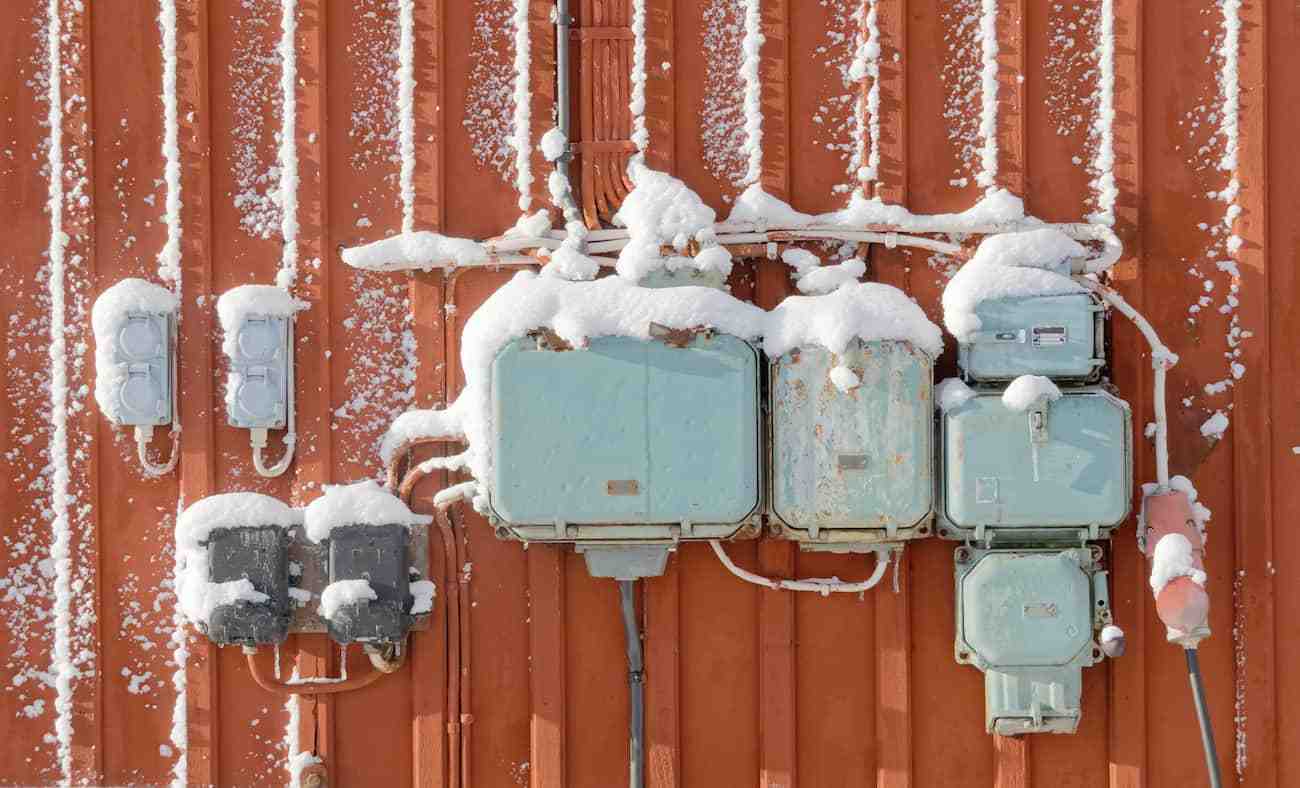
Furthermore, all outdoor outlets must be equipped with rugged, watertight covers compliant with National Electrical Code (NEC) standards for wet locations. According to NEC Article 406.9(B)(1), 15-ampere and 20-ampere 125-volt and 250-volt receptacles installed in wet locations must be provided with an enclosure that is weatherproof whether or not the attachment plug cap is inserted. These “extra-duty while-in-use” covers feature deep hoods and durable neoprene gaskets that protect the receptacle from rain, melting snow, drifting dust, and debris while the smart plug remains permanently connected.
Many outdoor smart plugs are designed to be mounted hanging downwards, preventing gravity-fed water runoff from collecting in the sockets. When hanging the device, maintaining at least 12 to 18 inches of ground clearance prevents splashing mud and immersion during heavy downpours or accumulating snowdrifts. Some models also incorporate ambient photocells, allowing for light-sensing automation, but we ensure these sensors are positioned away from reflective walls or artificial light obstructions for accurate readings.
Safe Extension Cord and Power Strip Practices
While direct connection to an outdoor GFCI outlet is ideal, sometimes extension cords or power strips are necessary for temporary setups. When using these, we must prioritize safety:
- Outdoor-Rated Cords: Always use extension cords specifically marked for outdoor use (indicated by a “W” or “W-A” on the cord jacket designation, such as SJTW or STW). Indoor cords lack cold-temperature flexibility and UV-stabilized jackets, creating severe fire and shock risks when exposed to outdoor elements.
- Appropriate Gauge and Cord Length: For most outdoor smart plug applications, a 14 AWG (American Wire Gauge) or heavy-duty 12 AWG extension cord is recommended. Heavier gauges minimize voltage drop over extended distances, ensuring that sensitive electronic switches and connected appliances receive consistent voltage without overheating the conductor.
- Elevation Guidelines: If using a power strip outdoors, we make sure it is explicitly rated for wet outdoor use and elevated at least 3 inches off the ground to prevent water immersion. Similarly, all cord connection points and smart plug junction bodies should not be left resting in standing water or low drainage swales.
- Current Capacity and Load Balancing: We avoid overloading any single outlet or extension cord. By calculating the total connected wattage (Amps = Total Watts / 120V) and keeping steady loads under 80% of rated capacity (12A or 1440W on a 15A branch circuit), we protect circuit breakers from thermal tripping.
- Temporary Use and Routine Inspection: Extension cords are designed for temporary power solutions. We never leave them outdoors for extended periods (more than a few days), as prolonged exposure to weather, lawn equipment, and rodents can degrade insulation. Inspecting cords regularly for jacket fraying, bent prongs, or discoloration ensures continuous protection.
- Fire and Tripping Prevention: We route cords carefully along perimeter landscaping to avoid tripping hazards and never run them under outdoor rugs, through window jams, across driveways, or near barbecue heat sources.
By following these structured guidelines and installing certified hardware, we can confidently enjoy the immense benefits of outdoor smart plugs while maintaining a safe, resilient, and secure outdoor environment.