High-Impact Home Energy Efficiency Upgrades to Consider
Achieving year-round comfort and significant energy savings in your home begins with strategic upgrades. These improvements not only reduce your monthly utility bills but also contribute to a more stable indoor environment, enhancing your overall quality of life. Understanding the principles of building science and how different components of your home contribute to its overall energy performance is key to making informed decisions. We focus on upgrades that offer substantial seasonal performance improvements and address major energy loads, leading to true whole-home efficiency.
Upgrading HVAC Systems with Heat Pumps
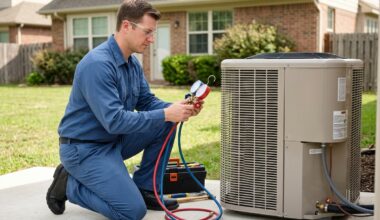
One of the most impactful upgrades for both heating and cooling is the transition to modern heat pump systems. Unlike traditional furnaces that generate heat or air conditioners that only cool, heat pumps efficiently transfer heat, providing both heating and cooling from a single unit. This versatility makes them incredibly efficient, especially in Your City, Your State’s varied climate.
Modern heat pumps boast impressive Seasonal Energy Efficiency Ratio 2 (SEER2) ratings, indicating their cooling efficiency, and Heating Seasonal Performance Factor 2 (HSPF2) ratings for heating. These advanced systems can significantly reduce your energy consumption compared to older, less efficient models. For homes without existing ductwork, ductless mini-split heat pumps offer a flexible and efficient solution, allowing for zoned heating and cooling in specific areas. Integrating a smart thermostat with your new heat pump further optimizes performance by learning your preferences and adjusting temperatures automatically, maximizing comfort and savings.
While the initial investment in a heat pump might seem substantial, the long-term operational savings and potential financial incentives often make it a highly cost-effective choice. Many homeowners find that their reliance on fossil fuels for heating dramatically decreases, leading to lower utility bills and a reduced carbon footprint. For personalized guidance on selecting and installing the right heat pump system for your home, consulting with expert heating and cooling professionals can provide invaluable insights into options like dual-fuel heating systems that combine a heat pump with a traditional furnace for optimal performance in extreme conditions.
Sealing the Building Envelope: Insulation and Windows
After optimizing your heating and cooling systems, addressing your home’s “building envelope” is the next critical step. The building envelope refers to the physical barrier between the conditioned interior and the unconditioned exterior. A well-sealed and insulated envelope prevents unwanted heat transfer, keeping your home warmer in winter and cooler in summer.
Air Sealing and Insulation: One of the most common culprits for energy loss is air leakage. Gaps and cracks around windows, doors, pipes, and in the attic can allow conditioned air to escape and unconditioned air to enter. Professional air sealing, often combined with improved attic insulation, can dramatically reduce drafts and energy waste. The R-value of insulation, which measures its thermal resistance, is crucial here; ensuring your attic meets recommended R-values for Your City, Your State’s climate can lead to significant savings—up to 10% annually on energy bills. Adding insulation is often one of the most cost-effective energy efficiency upgrades.
Windows and Skylights: Old, single-pane windows are notorious for heat loss and gain. Upgrading to energy-efficient windows with low-emissivity (low-e) coatings can block unwanted heat while allowing natural light to enter. These windows also feature multiple panes and inert gas fills to improve insulation, significantly reducing draft and improving interior comfort. Weatherstripping around existing windows and doors can also offer a quick and affordable improvement. When considering a comprehensive upgrade, exploring options for energy-efficient window replacement can yield substantial long-term benefits, with ENERGY STAR certified windows potentially lowering household energy bills by an average of 12%.
Water Heating and Electrical Readiness
Beyond space conditioning, water heating is another major energy consumer in most homes. Traditional tank water heaters can be inefficient, constantly heating a large volume of water.
Heat Pump Water Heaters: A super-efficient alternative is the heat pump water heater. These units work similarly to heat pumps for space conditioning, extracting heat from the surrounding air and transferring it to the water. This method is far more efficient than electric resistance heating, leading to substantial savings. A household of four, for example, could save approximately $550 annually by switching to a heat pump water heater.
Electrical Panel Upgrades and EV Charging Readiness: As we move towards a more electrified future, ensuring your home’s electrical infrastructure is ready is crucial. Many older homes have 100-amp service panels, which may be insufficient for the demands of new electric appliances, heat pumps, and especially electric vehicle (EV) charging. Upgrading to a 200-amp service panel provides the necessary circuit capacity to support these additions. This “electric ready” preparation ensures that your home can seamlessly integrate future technologies like EV chargers and energy storage systems, maximizing long-term benefits and avoiding costly electrical overhauls down the line.
Financial Incentives, Tax Credits, and Rebate Programs
Making energy efficiency upgrades is a smart investment, and fortunately, numerous financial incentives exist to help offset the upfront costs. These programs, which include federal tax credits, state-level rebates, and utility-sponsored assistance, are designed to encourage homeowners and renters to adopt more energy-efficient practices. Understanding these incentive structures and their funding distribution is key to maximizing your financial savings. The Inflation Reduction Act of 2022 significantly expanded many of these opportunities, making September 2026 an opportune time to explore your options.
Federal Tax Credits and IRS Guidelines
The federal government offers substantial tax credits to homeowners who make qualifying energy-efficient improvements. These credits are nonrefundable, meaning they can reduce your tax liability to zero, but you won’t get a refund for any amount exceeding your tax bill.
Energy Efficient Home Improvement Credit (Section 25C): This credit allows homeowners to claim 30% of the cost of eligible home energy improvements, with specific annual limits. For improvements placed in service between January 1, 2023, and December 31, 2025, the annual maximum credit is $1,200 for general upgrades. However, there’s a separate, higher annual limit of $2,000 for qualifying heat pumps, biomass stoves, and biomass boilers. This means a homeowner could potentially claim up to $3,200 in credits in a single year if they make both general improvements and install a heat pump.
Specific caps also apply to certain items within the $1,200 general limit:
- Exterior doors: $250 per door, up to $500 total.
- Exterior windows and skylights: Up to $600 total.
- Home energy audits: Up to $150.
- Insulation and air sealing materials: No specific cap within the $1,200 general limit.
To claim this credit, you’ll need to file IRS Form 5695 (Residential Energy Credits Part II) with your tax return for the year the improvement is placed in service. It’s crucial to keep detailed records, including receipts and the Qualified Manufacturer Identification Number (QMID) for eligible equipment.
Residential Clean Energy Credit: This credit, also claimed on Form 5695 (Part I), offers a 30% credit for the cost of new, qualified clean energy property for your home, with no annual or lifetime limits. This includes:
- Solar electric panels (photovoltaics)
- Solar water heaters
- Wind turbines
- Geothermal heat pumps
- Fuel cell property
- Battery storage technology (with a capacity of at least 3 kilowatt-hours)
For home energy audits to qualify for the $150 credit, they must be performed by a Qualified Home Energy Auditor starting January 1, 2024. The audit report must include specific information, such as an estimate of the energy savings and a list of recommended improvements.
State Rebates and Utility Assistance
Beyond federal tax credits, many states and local utility companies offer their own rebate and assistance programs. These vary significantly by location and are often designed to address specific regional energy goals or support particular income levels.
State-Level Programs: Some states, like Wisconsin, have been proactive in rolling out programs like the HOMES (Home Owner Managing Energy Savings) program and the HEAR (High-Efficiency Electric Home Rebate) program. HOMES offers up to $10,000 for whole-home energy upgrades based on measured energy savings after an energy assessment. HEAR provides up to $14,000 for low- and moderate-income households (earning up to 150% of the Area Median Income) to purchase and install efficient electric appliances and equipment, such as heat pumps and heat pump water heaters.
Other states, like Virginia, are in the process of launching similar federal-funded rebate programs, with significant allocations (Virginia received over $188 million for Home Efficiency and High Efficiency Appliance Rebates). While details are still being finalized in some areas as of September 2026, these programs often aim for point-of-sale rebates, making the savings immediate.
Utility-Sponsored Rebates and Loans: Many local utility companies offer rebates for specific energy-efficient appliances or upgrades, such as smart thermostats, insulation, or high-efficiency water heaters. Some also provide zero-fee financing or low-interest loans, like California’s GoGreen Home loans, to make upgrades more accessible. For low-income households, programs like the Energy Savings Assistance (California) or the federal Weatherization Assistance Program (WAP) can provide free energy efficiency upgrades, including insulation, air sealing, and appliance replacements, often without requiring any out-of-pocket costs. The Los Angeles Department of Water and Power (LADWP) offers a Home Energy Improvement Program that provides free energy and water efficiency upgrades to eligible customers.
Stacking Incentives and Eligibility Rules
Navigating the landscape of financial incentives can seem complex, but understanding how to combine them—often referred to as “stacking incentives”—can significantly reduce your out-of-pocket expenses.
Combining Incentives: Generally, you can combine federal tax credits with state and utility rebates. However, there’s a crucial rule: any rebates or subsidies you receive must be subtracted from the total cost of the improvement before you calculate your federal tax credit. This prevents “double-dipping” for the same portion of the expense. For example, if a heat pump costs $10,000 and you receive a $2,000 state rebate, you would calculate your 30% federal tax credit on the remaining $8,000 ($2,400 credit).
Eligibility for Renters and Homeowners:
- Homeowners: Are typically eligible for federal tax credits (for their primary residence) and most state/utility programs.
- Renters: While federal tax credits are generally not available to renters (as they apply to the primary residence owned by the taxpayer), many state and utility-sponsored programs do offer options for renters, especially for low-income households. Programs like HEAR and various utility assistance initiatives often include renters, provided they have written permission from their landlord for any fixed upgrades. Portable equipment, like heat pump clothes dryers, might not require landlord consent.
Key Eligibility Points:
- Primary Residence: Federal tax credits generally require the improved property to be your primary residence in the U.S.
- Income Limits: Many state and low-income programs have specific income thresholds, often based on the Area Median Income (AMI).
- New Construction: Generally, new construction properties are not eligible for home efficiency rebates, though eligibility for high-efficiency appliance rebates in new builds can vary by program.
To illustrate the different incentive types and their interactions, consider the following simplified comparison:
| Incentive Type | Description | Typical Eligibility | Stacking Potential |
|---|---|---|---|
| Federal Tax Credits | 30% of cost for qualifying upgrades (e.g., Energy Efficient Home Improvement Credit, Residential Clean Energy Credit) | Homeowners (primary residence) | Generally stackable with state/utility rebates; rebates reduce the “net purchase cost” on which the tax credit is calculated. Cannot double-dip for the same expense. |
| State Rebates | Direct financial incentives for specific upgrades (e.g., HOMES, HEAR) | Homeowners, sometimes renters (with landlord permission), often income-based | Stackable with federal tax credits (rebate reduces cost for tax credit calculation). Can sometimes be combined with utility rebates if for different measures. |
| Utility Programs | Rebates, free upgrades, or low-interest loans from local energy providers | Homeowners & renters (often income-based or for specific services) | Stackable with federal tax credits (rebate reduces cost for tax credit calculation). Can often be combined with state rebates if for different measures or if the utility is administering state funds. |
Strategic Planning and Implementation Process
Embarking on home energy efficiency upgrades requires more than just knowing what improvements are available; it demands a strategic approach to system planning, phased upgrades, and investment prioritization. Our goal is to help you make decisions that ensure quality control and maximize your return on investment.
Assessing Costs and ROI for Home Energy Efficiency Upgrades
Before committing to any upgrade, understand your home’s current energy performance. A professional home energy audit is the cornerstone of this process. A certified energy auditor will use specialized tools like a blower door test to identify air leaks and thermal imaging to pinpoint areas of poor insulation. The auditor will then provide a detailed report outlining recommended improvements, estimated energy savings, and a projected payback period for each upgrade.
This audit serves as your roadmap, allowing you to prioritize upgrades that offer the highest return on investment (ROI) and address the most significant energy losses. For example, sealing major air leaks and adding attic insulation often have a very short payback period due to their immediate impact on heating and cooling loads. While the audit itself may qualify for a federal tax credit (up to $150), its true value lies in guiding your investment toward the most effective solutions. Over time, these operational savings can also contribute to an increased property valuation.
Applying for Rebates and Loans for Home Energy Efficiency Upgrades
Once you have a clear plan, the application process for incentives begins. While specific steps vary by program, some common elements include:
- Documentation: Keep meticulous records of all expenses, including itemized receipts, invoices from contractors, and any Qualified Manufacturer Identification Numbers (QMID) for eligible equipment. This documentation is crucial for both tax credits and rebate applications.
- Licensed Contractors: For many programs, especially those involving HVAC, insulation, or window replacement, you’ll need to use licensed and certified contractors. Reputable contractors are often familiar with local incentive programs and can help ensure that the installed equipment meets the necessary efficiency standards.
- Application Forms: Federal tax credits require filing Form 5695 with your IRS tax return. State and utility rebates will have their own application forms, which may require proof of purchase, installation, and sometimes an energy assessment.
- Timelines: Be aware of deadlines and expiration dates. While federal tax credits are generally available through 2025 (as of September 2026), state and utility programs can have limited funding or specific application windows.
- Consumer Protection and Scam Avoidance: Unfortunately, the popularity of energy assistance programs can attract fraudulent offers. Always vet contractors, verify program details through official government or utility websites, and be wary of high-pressure sales tactics or offers that seem too good to be true. Never share personal financial information with unverified sources.
Frequently Asked Questions About Energy Efficiency Upgrades
We understand that you might have specific questions as you consider making energy efficiency upgrades. Here, we address some common consumer inquiries regarding qualification criteria and incentive guidelines.
Can renters qualify for federal and state energy incentives?
While federal tax credits for home energy efficiency improvements (like the Energy Efficient Home Improvement Credit) are generally limited to homeowners for their primary residence, renters can absolutely qualify for other significant incentives.
Many state-level and utility-sponsored programs are designed to benefit renters, particularly those in low-income households. For instance, programs like the federal HEAR (High-Efficiency Electric Home Rebate) program often include renters who meet specific income criteria (e.g., up to 150% of the Area Median Income). These rebates can cover the cost of high-efficiency electric appliances like heat pump clothes dryers or electric stoves.
For fixed upgrades, such as insulation or window replacement, renters typically need to obtain written landlord permission to participate in programs. However, for portable equipment or services that don’t alter the property structure, such as energy audits or smart thermostat installations (if owned by the renter), landlord consent might not be required. Many utility programs also offer free energy-saving kits or direct installation of basic measures like LED lighting or low-flow showerheads to renters. Always check with your local utility or state energy office for programs specifically targeting renters in Your City, Your State.
Can multiple energy efficiency rebates and tax credits be combined?
Yes, in many cases, you can combine or “stack” multiple energy efficiency rebates and tax credits, but with important restrictions to prevent “double-dipping.”
The general rule for federal tax credits is that any state or utility rebates you receive for a specific improvement must be subtracted from the total cost of that improvement before you calculate your federal tax credit. This means the federal credit is based on your “net purchase cost” after other incentives. For example, if you install a heat pump for $10,000 and receive a $1,000 utility rebate, your federal tax credit would be calculated on $9,000, not the original $10,000.
You can often combine different types of incentives for different measures. For instance, you could receive a state rebate for new windows and claim a federal tax credit for a new heat pump in the same year, as long as they are distinct improvements. You might also be able to combine a utility rebate for insulation with a federal tax credit for a home energy audit.
It’s crucial to review the specific rules of each program you’re considering. Some programs might explicitly state if they cannot be combined with others, or if there’s a cap on the total amount of incentives you can receive for a single upgrade. Always consult the official program guidelines or a tax professional for clarity on your specific situation.
How do homeowners avoid fraudulent energy assistance offers?
The growing popularity and availability of energy assistance programs have unfortunately led to an increase in scams and fraudulent offers. Protecting yourself and your finances is paramount. Here’s how homeowners can avoid falling victim to such schemes:
- Verify the Source: Always confirm that the offer is from a legitimate government agency or utility company. Official programs will typically be advertised on their official websites (ending in .gov or your utility’s official domain). Be wary of unsolicited calls, emails, or door-to-door solicitations claiming to represent these programs.
- No Upfront Fees for Free Programs: If a program promises “free” upgrades, you should not be asked to pay any upfront fees or provide personal financial information beyond what’s necessary for eligibility verification (e.g., income documentation for low-income programs). Legitimate programs do not demand payment for free services.
- Beware of High-Pressure Sales Tactics: Scammers often use aggressive sales tactics, urging you to sign contracts immediately or claiming that an offer is only available “today.” Take your time, research, and never feel pressured into making a quick decision.
- Check Contractor Licensing and Reviews: If a program requires you to work with a specific contractor, verify their license (if applicable in Your City, Your State) and check their reputation through independent review sites or local consumer protection agencies.
- Official Portals and Contacts: Always use the official application portals and contact numbers provided on government or utility websites. For example, if you’re looking for federal tax credit information, go directly to IRS.gov. For state programs, visit your state’s energy office website. If you receive a suspicious communication, contact the agency directly using their official contact information, not the one provided in the suspicious message.
- Be Skeptical of “Guaranteed” Savings or Credits: While energy upgrades offer significant savings, be cautious of anyone guaranteeing exact dollar amounts or promising tax credits without understanding your specific tax situation. Tax credits are subject to your individual tax liability and eligibility criteria.
By staying vigilant and relying on official sources, you can safely access the legitimate energy assistance you deserve.
Conclusion
Embracing home energy efficiency upgrades is a powerful step towards creating a more comfortable, affordable, and sustainable living environment in Your City, Your State. From high-impact improvements like upgrading to heat pump HVAC systems and sealing your building envelope, to ensuring your electrical infrastructure is ready for the future, each upgrade contributes to long-term resilience and cumulative savings.
The journey to an energy-efficient home is made significantly easier by the array of financial incentives available. Federal tax credits, state rebates, and utility-sponsored programs can substantially reduce the upfront costs, making these investments more accessible than ever before. By strategically planning your upgrades, understanding eligibility rules, and carefully navigating the application processes, you can maximize your benefits and ensure a smooth transition.
Beyond the immediate financial gains, these upgrades contribute to a healthier planet by reducing emissions and lessening our reliance on fossil fuels. We encourage you to take advantage of the resources available, conduct a thorough energy audit, and consult with qualified professionals. Start your energy-saving project today and unlock the full potential of your home, enjoying year-round comfort and peace of mind.