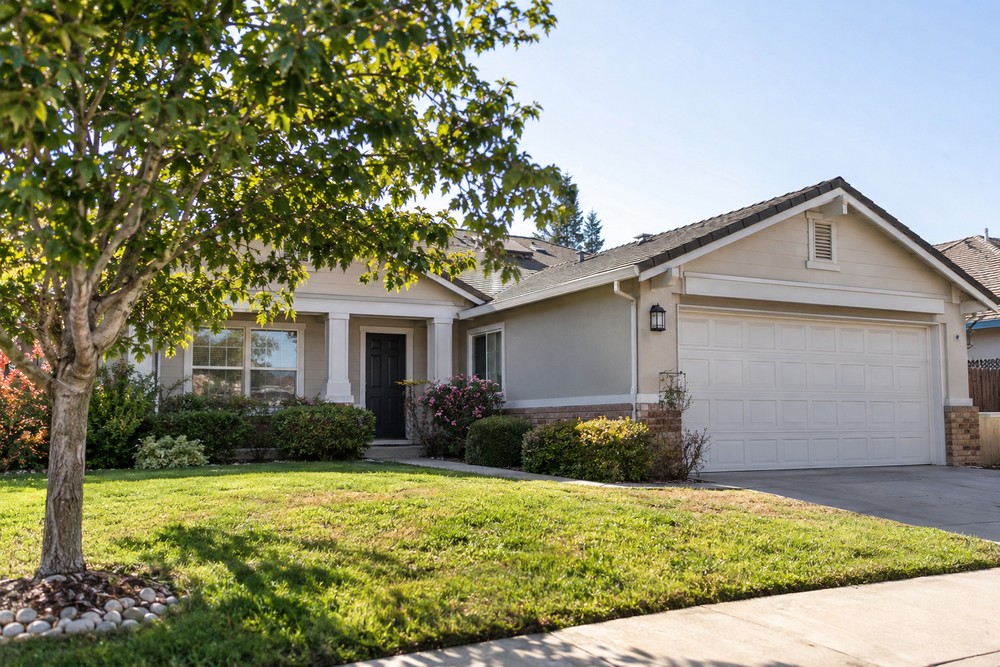
Selling a home in Stockton can feel straightforward when the property is updated, and there is plenty of time. It becomes more complicated when repairs are overdue, a move is approaching, or the cost of keeping the home is creating pressure. Homeowners exploring a direct-sale route can begin by comparing their circumstances with the options offered by MCB Homes Inc., along with a conventional listing and an as-is listing.
The strongest choice is not always the one with the highest advertised price. A seller should consider the expected timeline, preparation costs, buyer requirements, transaction risks, and estimated amount left after mortgage payoff, closing costs, and other obligations.
Stockton’s Home-Selling Climate
Stockton homes do not all perform the same way in the market. The neighborhood, asking price, condition, lot size, financing options, and buyer expectations can all influence interest and timing. A clean, well-priced home may attract broader attention than a house with a visible roof leak, deferred maintenance, or an uncertain title issue.
Market-wide averages can provide useful context, but they cannot predict one property’s result. A seller with a home near the San Joaquin Delta, in a mature central neighborhood, or in a newer edge-of-city development should assess the home against nearby competing properties rather than rely only on broad assumptions.
For homeowners who want to evaluate a direct-sale option, https://www.mcbbuyshouses.com/ can be one starting point for comparing a private offer against the work and timing involved in a listed sale.
Start With Your Timeline and Property Condition
Before selecting a selling method, answer four practical questions:
- How soon must the property close?
- How much cash is available for repairs, cleaning, and moving?
- Can the owner manage showings, inspections, and negotiations?
- Is the property owner-occupied, vacant, rented, inherited, or held in a trust?
For example, a Stockton homeowner may have enough time for a conventional listing but lack the funds to replace an aging roof and correct plumbing problems. In that situation, the owner could obtain repair estimates, ask an agent about an as-is listing strategy, and compare those figures with written direct offers.
Should You Repair the Home Before Selling?
Not every project deserves the same priority. Start by separating improvements into three groups:
- Low-cost presentation work: Cleaning, trimming overgrowth, removing clutter, replacing small damaged items, and applying limited touch-up paint can improve the home’s presentation.
- Safety and damage-control work: Active leaks, exposed electrical issues, unstable steps, and broken windows may require prompt attention, as they can undermine buyer confidence and cause further damage.
- Major projects: Roof replacement, foundation repair, HVAC replacement, and full kitchen or bathroom renovations require closer financial analysis.
Compare the projected cost of each project with its likely effect on buyer interest, price, and time on market. A major repair can make a house easier to finance or market, but that does not automatically mean the seller will recover every dollar spent.
Compare the Main Ways to Sell
Traditional Listing
A traditional listing can provide broad exposure to buyers, including owner-occupants who plan to use mortgage financing. It often works best when the house is market-ready and the seller can accommodate preparation, showings, inspections, negotiations, and a closing timeline that may depend on the buyer’s financing.
As-Is Listing
An as-is listing allows an owner to market the property without completing every desired upgrade. The seller should still be accurate about known conditions and prepared for buyers to request inspections, credits, price reductions, or repairs.
Private or Direct Sale
A direct sale may reduce the need for frequent showings and can be useful when privacy or speed matters. The seller should still review the contract, the buyer’s identity, the closing process, and the estimated net proceeds with care.
In simple terms, compare the paths this way:
- For wider exposure: Consider a traditional listing.
- For a property that needs moderate work: Compare an as-is listing with repair estimates.
- For a shorter timeline or fewer showings: Compare direct offers while closely reviewing the paperwork.
- For the best financial decision: Focus on expected net proceeds, not just the offer price.
How to Review an As-Is or Cash Offer
A cash or as-is offer should be evaluated as a complete contract, not just a number. Confirm the buyer’s legal name and contact information, ask how the purchase will be funded, and read every deadline. Pay particular attention to inspection rights, cancellation provisions, assignment language, requested access to the property, and the proposed closing date.
Request a written estimate of fees, escrow charges, payoff amounts, and other deductions. A lower offer may reflect repair costs, holding costs, and the buyer’s risk. A higher offer may carry financing uncertainty, repair negotiations, or a longer path to closing.
Stockton and California Details to Check
Gather key documents before accepting an offer. These may include mortgage statements, insurance information, prior repair records, leases, homeowner association documents, and utility details. The San Joaquin County property tax roll can be checked online to help owners review current tax information, while questions about liens or payoffs may require direct follow-up with the appropriate parties.
Inherited homes, trusts, divorce-related sales, tenant-occupied properties, and homes with title concerns deserve extra attention. California sellers commonly have disclosure responsibilities regarding known property conditions, and the state’s overview of real estate disclosures and preliminary title reports helps explain why complete paperwork matters. A qualified attorney, tax professional, or licensed real estate professional can help with legally or financially complex circumstances.
Ways to Avoid Delays and Risky Deals
- Do not sign a blank or incomplete purchase agreement.
- Get promises in writing about price, fees, repairs, occupancy, and closing dates.
- Ask whether the buyer can assign the contract to someone else.
- Use an established title or escrow process appropriate for the transaction.
- Save copies of signed documents, emails, texts, estimates, and disclosures.
- Seek professional guidance before signing when title, probate, foreclosure, or tenant issues are involved.
A Simple Decision Guide for Stockton Sellers
- Updated home and no immediate deadline: Consider a traditional listing and ask whether broader buyer exposure could improve the final result.
- Cosmetic work is needed: Compare basic preparation costs with an as-is listing price.
- Major repairs are needed: Obtain estimates, then compare the repair costs and timelines with direct offers.
- A quick sale is necessary: Review several written offers and calculate the actual net amount after all deductions.
- Title, probate, or tenant complications exist: Confirm who has authority to sell before committing to a closing date.
Final Thoughts
There is no single best way to sell a home in Stockton, California. The right route depends on the property’s condition, the owner’s deadline, available funds, and willingness to manage repairs and uncertainty. By comparing timelines, preparation needs, contract terms, risks, and estimated net proceeds, sellers can make a more confident decision.