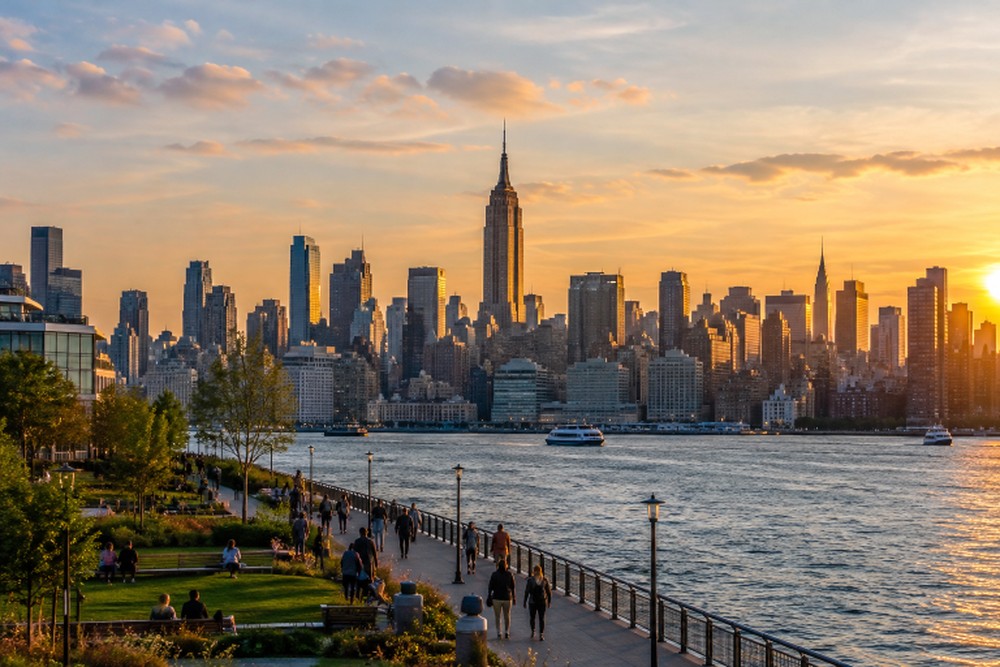
A satisfying skyline day in New York City, New York does not require racing from one famous overlook to another. Choose one main view, keep the rest of the day nearby, and leave enough time to notice the changing light, building details, parks, and neighborhood life along the way. For travelers comparing elevated options, the Empire State Building is a historic Midtown landmark with Art Deco architecture, museum-style exhibits, and observation decks. Its official ticket page is a practical Midtown Manhattan planning resource for access and visit options when deciding on the best observation deck in NYC.
The goal is not to prove that one viewpoint is universally better than every other. A high deck, waterfront promenade, bridge approach, rooftop, or park can each create a memorable perspective. The right choice depends on your budget, interests, comfort with crowds, walking ability, and the amount of time you have.
Start With One Main View
Make one skyline stop the fixed point of the itinerary. An elevated deck can provide a broad sense of Manhattan’s scale, while a waterfront view puts the skyline across the water and often allows for a more flexible visit. A bridge walk creates movement and changing angles, but may be less comfortable in wind, rain, or heavy crowds.
Once you choose the main view, build outward rather than adding distant attractions simply because they are popular. This approach keeps transportation simpler and makes breaks for food, restrooms, and sitting down feel like part of the day instead of a disruption.
Choose the Best Time of Day
Each part of the day offers a different skyline experience:
- Early morning: Often quieter, with softer light and cooler conditions in warmer months.
- Midday: Useful for clear architectural detail, though bright sun and shadows can be challenging for photographs.
- Golden hour: Brings warmer light and is popular for portraits and city views.
- Blue hour and nighttime: Can highlight illuminated buildings, street activity, and reflections after sunset.
Sunset is appealing, but it is also a time when many visitors arrive. Check the day’s sunset time before booking or traveling, then allow extra time for entry procedures, elevators, finding the right subway exit, and walking the final few blocks. A relaxed arrival is usually more valuable than squeezing in one more stop beforehand.
Build the Route by Neighborhood
Midtown: Classic Buildings and a Central Base
Midtown works well for first-time visitors who want landmark architecture, public plazas, restaurants, museums, and an elevated view within a concentrated part of Manhattan. A practical route might begin with coffee near Herald Square, include an indoor cultural stop or architectural walk, pause in Bryant Park or another nearby public space, and finish at the day’s chosen viewpoint.
Lower Manhattan: History, Harbor, and Open Space
Lower Manhattan is a strong choice for travelers who want historic streets, civic landmarks, harbor scenery, and waterfront walking. It is wise to confirm current conditions before committing to a long route because public-space access and construction can change. The city’s Battery waterfront updates can help visitors understand how ongoing waterfront improvements may shape a Lower Manhattan plan.
Brooklyn Waterfront: Across-the-River Perspective
For a view back toward Manhattan, the Brooklyn waterfront can pair parks, cafés, brownstone streets, and bridge scenery in one day. It can be especially rewarding in the evening, when the skyline changes from daylight detail to city lights. Still, check actual walking distances. A route that appears short on a map may include stairs, long park paths, crowded sidewalks, or an indirect subway transfer.
Add a Ground-Level Experience
A skyline becomes more meaningful when you spend time at street level, too. Pair your main view with one nearby experience that reveals something about the city: an Art Deco lobby, a small museum, a bookstore, a food hall, a public plaza, or a waterfront promenade. Choose one indoor option as a weather break, especially during heat, rain, strong wind, or intense sun.
For example, a Midtown day can remain comfortably local: take a short architectural walk in the morning, visit one indoor attraction before lunch, rest in a park or café during the afternoon, then head to your planned skyline view near golden hour. There is no need to cross the entire city to create a full day.
Plan Around Weather and Visibility
Skyline conditions are shaped by more than rain. Low clouds can hide upper floors, haze can soften distant views, humidity can affect clarity, and wind can make an open-air deck or waterfront walk feel much colder than expected. Check the forecast shortly before leaving, and be willing to shift outdoor walking earlier or later in the day.
Bring water, sunglasses, sunscreen, a light layer, and supportive shoes. If the weather turns, move to the backup plan instead of trying to force a long outdoor route. A museum, indoor market, historic building, or neighborhood restaurant can save the day while preserving the pace you intended.
Leave Space Between Timed Plans
Try to leave 20 to 30 minutes between major reservations. New York City travel involves variables that do not always show up in an itinerary: elevator waits, security screening, subway service changes, restroom stops, crowded platforms, and slow-moving sidewalks. Avoid scheduling a skyline reservation immediately before a theater curtain time or a dinner reservation across town.
Think in broad blocks instead: morning exploration, a midday indoor stop, a neighborhood lunch, an afternoon reset, and an evening view. That structure gives the day direction without making every delay feel like a failure.
Simple Plans for Different Travelers
- First-time visitors: Pick one iconic view, one historic or cultural stop, and one neighborhood meal.
- Families: Keep walks shorter, identify restrooms early, build in snack breaks, and have an indoor backup.
- Photographers: Prioritize light, clear sightlines, reflections, and enough time to stay through blue hour.
- Couples: Plan fewer stops, a scenic walk, and a meal close to the evening destination.
- Local visitors: Combine a familiar landmark with a park, waterfront route, or neighborhood you do not visit often.
Avoid Common Skyline-Day Mistakes
- Trying to fit several observation decks into one day.
- Booking attractions in distant neighborhoods back-to-back.
- Ignoring wind, heat, rain, haze, or poor visibility.
- Planning a long walk with no sitting or indoor breaks.
- Leaving no time for meals, restrooms, or transit delays.
- Assuming the highest viewpoint will always be the most enjoyable.
- Forgetting that parks, bridges, and waterfronts can offer excellent street-level views.
A Sample One-Day Skyline Itinerary
- Morning: Start with coffee and a short architectural or neighborhood walk.
- Late morning: Choose one museum, landmark, or indoor attraction.
- Lunch: Eat within the same neighborhood rather than adding a cross-city trip.
- Afternoon: Pause in a park, plaza, or waterfront area, then rest indoors if needed.
- Golden hour: Visit the main skyline viewpoint with enough time to settle in.
- Evening: Have dinner nearby or take a short, unhurried walk under the city lights.
Questions Readers May Have
Is sunrise or sunset better for skyline photos?
Sunrise may offer a quieter atmosphere and softer early light. Sunset offers a transition from daylight to illuminated buildings, but it usually requires more patience and advance planning.
Can a skyline day work in rainy weather?
Yes. Make one indoor attraction the center of the daytime schedule, keep outdoor stops brief, and treat a clear break in the weather as a bonus rather than a guarantee.
How can families avoid an overly tiring schedule?
Limit the plan to one major ticketed activity, one short walk, and one flexible break. Choosing stops in the same area reduces the pressure to keep moving.
Make Room for the Unexpected
The best New York City skyline days are built around thoughtful timing, a realistic route, and flexibility. Choose one main view, add nearby experiences, watch the weather, and leave room for pauses. A calm itinerary makes space for the moments that often become the most memorable: an unexpected view between buildings, a quiet bench in a busy neighborhood, or a meal that turns into an unplanned extra hour in the city.