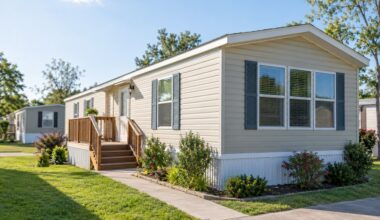
Older homes are part of Belleville’s character, from established streets near the downtown core to properties on larger lots at the edge of the city. Whether the home is inherited, dated, vacant, tenant-occupied, or simply ready for its next chapter, a clear plan can make the sale less stressful. Owners who want to sell house in Belleville, ON, can start by understanding the property’s actual condition, paperwork, likely costs, and available selling options.
You do not need to transform an older property into a fully renovated showpiece before putting it on the market. In many cases, a clean home, sensible safety repairs, accurate information, and realistic pricing are more valuable than an expensive project completed in a rush.
Consider the Belleville Market Before Setting a Price
Citywide housing headlines are useful for background, but they do not determine the value of a specific property. A century home near amenities, a bungalow needing substantial repairs, and a larger family home in a newer area can attract very different buyers. Review recent comparable listings and completed sales with similar age, size, lot, location, layout, and condition. The aim is to identify how buyers are likely to view the home today, not what it might be worth after a full renovation.
For homeowners who prefer a simpler process due to repairs, distance, or time pressure, Bloom Homes in Ontario is one example of a direct-sale option to compare with a conventional listing or private sale. Comparing the full terms, not just the initial number, helps clarify which option fits your situation.
Start With an Honest Property Condition Review
Walk through the property as a buyer or inspector would. Take dated photos, make notes, and separate urgent issues from ordinary wear. This record can help you plan repairs, answer questions consistently, and avoid overlooking a concern when negotiations begin.
Check These Areas First
- Roof condition, gutters, grading, foundation, and drainage.
- Heating, cooling, plumbing, electrical panels, and visible wiring.
- Windows, doors, insulation, moisture marks, and ventilation.
- Smoke alarms, carbon monoxide alarms, stairs, railings, and trip hazards.
- Signs of mould, pests, water damage, or structural movement.
Choose Repairs Carefully Before the Sale
Prioritize repairs that affect safety, function, or a buyer’s confidence. An active plumbing leak, non-functioning heat, damaged steps, or serious drainage issue can distract from the home’s strengths and may complicate an inspection. Clearing rubbish, reducing strong odors, cleaning thoroughly, and removing excess belongings are also practical steps that usually improve presentation without requiring a major renovation.
Be cautious with costly upgrades such as a complete kitchen replacement, all-new flooring, extensive landscaping, or a luxury bathroom remodel. These projects can take time and may not return their full cost in the sale price. Obtain written estimates, consider the disruption, and compare the projected result with the condition of nearby competing homes before committing.
Gather Important Documents Early
Missing records can slow down a transaction, especially when an older home has additions, long-standing mortgages, estate issues, or shared ownership. Create a folder containing property tax information, mortgage details, utility records, permits, contractor invoices, warranties, surveys, and information on tenants or disputes. Ontario’s land registry records include official information about property ownership and registered interests, and a real estate lawyer can help interpret title-related concerns.
If the property belongs to an estate, trust, or separated couple, speak with an Ontario real estate lawyer early. Confirm who has the authority to sign, whether probate or court documents are required, how mortgage proceeds will be handled, and what must happen before closing.
Set a Price That Matches the Home’s Real Condition
A fair asking price considers more than square footage. Buyers will weigh lot size, parking, storage, layout, location, maintenance history, and the expected life of major systems such as the roof, furnace, windows, and foundation. An older home with a sound structure and recent essential maintenance may compare well with renovated properties. A home with a known foundation issue or deferred maintenance may require a price that accounts for the buyer’s risk and future expenses.
Compare the Main Ways to Sell
Traditional Listing
A conventional listing may provide broad exposure and professional marketing, but it typically involves preparation, showings, negotiations, buyer financing, and contingencies. It may suit owners with time to prepare the home and accommodate viewings.
Private Sale
A private sale can provide more control over communication and access, but the seller still needs sound pricing, clear disclosures, buyer screening, and legal paperwork. Avoid relying on informal promises when a written agreement and legal review are needed.
Direct Sale
A direct sale may suit an owner who values speed or wants to avoid extensive repairs and repeated showings. Review the offer carefully for price, conditions, deposit, closing date, included items, closing costs, and proof of funds. Independent legal advice remains important.
Plan for Tenants, Liens, Estates, and Shared Ownership
Tenanted properties require extra care. Selling a rental home does not automatically end a tenancy, and access and termination rules can apply. Ontario’s guidance on rental housing rights explains that landlords must use the proper process when ending a tenancy. Keep communication respectful, review the lease, and seek legal advice before making any promises regarding vacant possession.
Also, request an up-to-date mortgage payout statement and have a lawyer check for liens, unpaid taxes, or title issues. Co-owners should agree in writing on the pricing range, repair budget, sale method, and division of proceeds before the property is marketed.
Build a Simple Sale Timeline
- Week one: Inspect the home, photograph concerns, gather records, and seek legal or real estate guidance.
- Week two: Complete worthwhile safety repairs, remove clutter, and arrange cleaning.
- Week three: Review comparable properties and decide on a selling method.
- Week four: Set the price, prepare disclosures, organize photos, and plan viewings or offer reviews.
- Before closing: Confirm the moving plan, utilities, keys, mortgage payoff, and the lawyer’s instructions.
Questions to Ask Before Accepting an Offer
- Is the buyer financing the purchase, and is the offer conditional on financing or appraisal?
- Is there an inspection condition or a condition tied to the sale of another property?
- What deposit has been offered, and when is it due?
- Does the closing date work with your moving, estate, or mortgage timeline?
- Which appliances, fixtures, or personal items are included or excluded?
- What happens if a condition is not met or a deadline is missed?
The highest offer is not always the strongest offer. A slightly lower offer with fewer conditions, reliable financing, and a suitable closing date may create more certainty. Selling an older Belleville home works best when the plan aligns with the property’s condition and the owner’s true priorities.