Key Takeaways
- Review the home ‘s condition, including major systems, structural components, and signs of moisture or damage.
- Prioritize safety-related repairs and basic improvements before investing in major renovations.
- Gather ownership documents, permits, repair records, and other information needed for the sale.
- Disclose known property issues honestly and follow applicable Tennessee requirements.
- Set a realistic asking price using comparable Memphis homes with similar features and conditions.
- Compare traditional listings, private sales, and cash offers based on net proceeds, costs, and timelines.
- Review buyer qualifications, contract conditions, closing expenses, and contingencies before signing.
- Create a practical selling timeline that accounts for repairs, paperwork, and individual circumstances.
Selling an older house in Memphis takes more than putting a sign in the yard. Whether the property is a longtime family home in Midtown, a rental near the University District, or a house that needs attention after years of deferred maintenance, a clear plan can reduce surprises and help you evaluate offers with confidence. Start by documenting the home’s condition, gathering ownership records, and deciding which improvements are worth making. Homeowners comparing their options may also review BluDoor alongside a traditional listing, a private sale, or other approaches that fit their timeline and repair budget.
What Memphis Homeowners Should Know About the 2026 Housing Market
Local conditions should shape a selling decision more than broad national headlines. In August 2026, Memphis had more active listings than a year earlier, and the typical listed home spent 68 days on the market, according to local market data. More choices can make buyers more selective, especially when a home needs visible work. That does not mean every Memphis neighborhood performs the same way. Location, school preferences, nearby redevelopment, lot size, street traffic, and the supply of similar homes can all affect attention and negotiating leverage. Compare properties in a nearby area with similar condition levels before deciding on a price or repair plan. For homeowners exploring a direct sale option, https://bludoor.com/ is a place to start comparing timelines, property-condition expectations, and written offer terms.
How Age and Condition Affect a Memphis Home’s Value
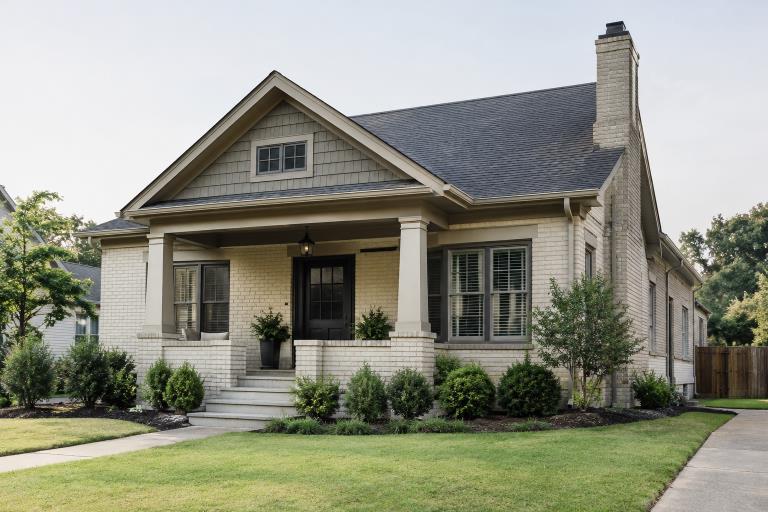
Older homes can offer character, established landscaping, larger lots, and locations close to well-known Memphis neighborhoods. At the same time, buyers may closely examine the roof age, plumbing, electrical panels, foundation movement, windows, insulation, heating and cooling equipment, and signs of moisture. Age alone is not a defect. A well-maintained 1940s house may compete well with newer homes, while a newer house with neglected systems may not. Separate ordinary wear from conditions that could affect safety, financing, insurance, or daily use. Peeling paint, worn flooring, dated fixtures, and older cabinets are often cosmetic issues. Active water intrusion, damaged structural components, exposed wiring, unsafe stairs, or a nonfunctioning furnace deserve more urgent attention.
Start With a Simple Property Inspection
- Walk through every room, attic, crawlspace, garage, and exterior area that can be accessed safely.
- Write down leaks, stains, cracks, odors, damaged flooring, pest evidence, and items that do not operate normally.
- Test lights, outlets, faucets, toilets, doors, windows, and major systems when it is safe to do so.
- Collect permits, warranties, repair invoices, insurance claim records, tax notices, and utility information.
- Consider a professional inspection when major systems, moisture, structural movement, or an uncertain repair history could affect your decision.
Choose Repairs That Support a Sale
Prioritize work that protects people or prevents a problem from becoming more expensive. Address active roof or plumbing leaks, unstable railings, broken steps, electrical hazards, and failed mechanical equipment before spending heavily on decorative updates. Cleaning, decluttering, exterior trimming, installing fresh light bulbs, and minor paint touch-ups can improve the presentation without requiring a major renovation project. Large remodeling projects do not automatically produce an equal increase in sale proceeds. Before replacing a kitchen or bathroom, obtain estimates and compare them with the likely price difference for nearby homes. If the house needs extensive work, selling in its current condition may be a practical choice, provided the price and disclosures reflect that condition.
Prepare Required Property Disclosures
The Tennessee Residential Property Disclosure Act generally requires sellers to provide a disclosure statement, although exemptions can apply in certain transactions. The statutory text on required residential disclosures is a useful starting point for understanding the obligation. Sellers should disclose known material issues honestly and keep copies of repair records, contractor invoices, and correspondence. Do not attempt to conceal known water damage, prior fire damage, foundation concerns, recurring drainage problems, or repairs that did not resolve an issue. Questions involving probate, divorce, liens, foreclosure, tenants, or inherited property may require guidance from a Tennessee real estate professional or attorney.
Set a Realistic Asking Price
Use recently sold homes that are close in location, square footage, layout, age, and condition. Then make reasonable adjustments for an older roof, outdated systems, deferred maintenance, a renovated kitchen, or an unusually large lot. Online estimates can provide a starting point, but they cannot fully account for the condition inside the home. Calculate likely net proceeds, not just the headline offer. Consider repair costs, commissions if applicable, buyer concessions, closing charges, property taxes, loan payoff amounts, and moving expenses. An ambitious price can lead to a longer marketing period and later price reductions.
Compare Different Ways to Sell
- Traditional listing: May provide broad exposure, but can involve preparation, showings, buyer inspections, financing requirements, and negotiations.
- Private sale: Gives the owner more direct control, but requires clear paperwork, careful buyer screening, and professional closing support.
- Cash offer: May fit an owner who values a shorter timeline or prefers not to make major repairs, though convenience can involve pricing trade-offs.
Check Buyers and Sale Terms Carefully
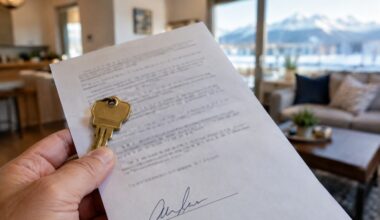
Request proof of funds from a cash buyer and review the entire purchase agreement before signing. Confirm who pays for closing costs, title work, transfer taxes where applicable, recording charges, repairs, and any occupancy period after closing. Watch for inspection, financing, assignment, cancellation, and contingency clauses that could change the certainty of the sale. Be cautious if someone pressures you to sign quickly, will not provide a clear written offer, asks for unusual upfront payments, or cannot explain fees. A reputable title company or closing attorney can help verify ownership, identify liens, and coordinate a proper closing.
Build a Practical Selling Timeline
- Week one: Inspect the home, collect records, and identify urgent repairs.
- Week two: Review comparable sales, obtain repair estimates, and estimate net proceeds.
- Week three: Select a selling method, complete basic preparation, and organize disclosure information.
- After accepting an offer: Review deadlines, complete title work, respond to contract requirements, and confirm the closing date.
Relocation deadlines, tenant arrangements, inheritance matters, foreclosure notices, and extensive repairs can shorten or extend this schedule. Build in time for decisions rather than assuming every sale will close on the same timetable.
Final Memphis Home Sale Checklist
- Ownership documents, tax information, and repair records are organized.
- Known defects and past repairs are documented for disclosure purposes.
- Repair estimates and comparable local sales have been reviewed.
- Net proceeds, timing, contingencies, and responsibilities are compared.
- Closing costs and title arrangements are clear before signing.
Preparing an older Memphis home for sale is largely about replacing assumptions with reliable information. A careful review of conditions, honest disclosure, realistic pricing, and close attention to contract terms can help homeowners choose a path that fits both the property and their goals.
Conclusion
Selling an older home in Memphis requires careful preparation, realistic expectations, and a clear understanding of the available options. Evaluating the property’s condition, addressing urgent repairs, organizing important records, and providing accurate disclosures can help prevent unexpected complications. Homeowners should also compare local property values and review offers based on expected net proceeds, closing costs, buyer qualifications, and timing rather than focusing only on the purchase price. Whether choosing a traditional listing, private sale, or cash offer through a company such as BluDoor, reviewing the written terms and confirming the closing arrangements are essential steps. With a practical plan and attention to detail, sellers can make informed decisions that support their financial goals and selling timeline.