Australians spend up to 90% of their time indoors, according to the 2025 State of Indoor Air in Australia report by the Thrive Research Centre. Despite this massive figure, residential air quality and its impact on respiratory health remains a significant blind spot for many households. Indoor air can sometimes be more polluted than outdoor air, making active management of your living space essential for overall wellness. Whether you live in a bustling city apartment or a spacious suburban house, the daily foot traffic brings in a constant stream of external particles. The foundation of a truly healthy home starts from the ground up. The surfaces we walk on daily act as giant environmental filters, catching everything from pollen to pet dander. When looking into creating a healthier living environment, managing the cleanliness of your high-traffic flooring is an absolute priority.
The Hidden Ecosystem in Your Flooring
Household dust is not just simple dirt. It acts as a complex biological ecosystem consisting of shed skin cells, fabric fibres, and microscopic organisms. This nutrient-rich layer provides a perfect landing pad for fungal and mould spores to safely settle and colonise. Data from the National Allergy Council indicates that dust mites are actively present in approximately 80% of Australian homes, while pet dander affects roughly 30% of allergy sufferers. Each time someone walks across the room, these microscopic particles are disturbed and sent back into the air you breathe. This continuous cycle of settling and aerosolising explains why many people experience persistent sneezing or coughing when spending time in specific rooms of their house.
The United States Environmental Protection Agency provides a clear warning about biological contaminants and indoor air quality. Their official fact sheet notes that mould, dust mites, pollen, pet allergens, and pests found in household dust can cause severe asthma symptoms and allergic reactions. This makes routine floor care much more than a simple cosmetic chore. It is a critical health intervention for your family.
Daily Maintenance for Allergen Control
Keeping high-traffic areas clear of these microscopic threats requires a proactive approach. Standard cleaning methods often fall short. For example, standard dry vacuuming without proper filtration can inadvertently degrade your indoor air quality by forcefully aerosolising fine dust mite particles rather than successfully extracting them. When DIY methods no longer keep the air feeling fresh, it is time to transition to professional-grade extraction. If you are looking for reliable experts, searching for carpet cleaning services near me can connect you with specialists who use the correct industrial equipment.
To properly maintain your floors, consider the following evidence-based strategies:
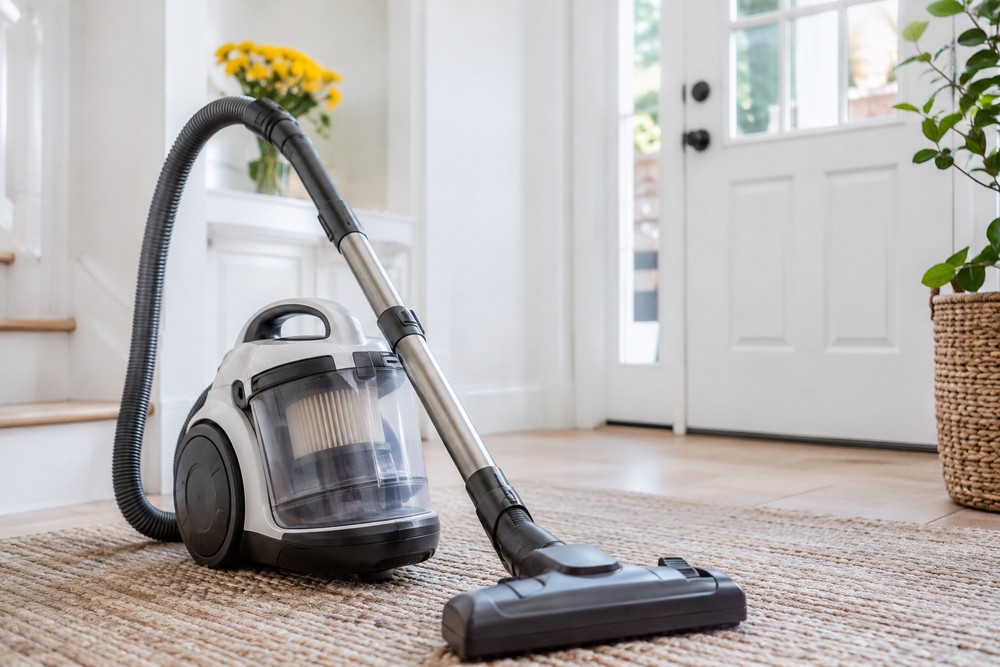
- Upgrade to true HEPA filtration: Research highlighted in the Journal of Allergy and Clinical Immunology found that vacuums equipped with true HEPA filtration can reduce airborne household allergens by up to 50%.
- Look for certified appliances: Ensure your vacuum meets the Australian Standard for HEPA filters (AS4260-1997), meaning it traps a minimum of 99.97% of particles down to 0.3 microns in size.
- Maintain a strict schedule: Cleaning industry experts emphasise vacuuming high-traffic zones two to three times a week to keep the particulate load low.
- Reconsider domestic steam mops: These devices often fail to reach lethal temperatures deep in the carpet pile. Worse, they can leave flooring overly wet, inadvertently creating the high-humidity conditions that dust mites require to breed in coastal Australian climates.
The Role of Professional Extraction
While routine vacuuming keeps surface debris under control, deep-seated allergens require specialised attention. Professional hot-water extraction is widely recognised as one of the most effective carpet and upholstery cleaning methods for allergen reduction. The super-heated moisture kills biological contaminants on contact before industrial vacuums completely extract the waste, ensuring no excess moisture is left behind to encourage mould growth. Experts recommend booking these deep treatments at least once or twice a year, depending on the number of residents and whether you have indoor pets. Unlike standard surface washing, professional machines reach the base of the carpet fibres where the most stubborn pollutants hide. This rigorous approach not only extends the lifespan of your chosen flooring materials but also ensures that the daily build-up of invisible grime is completely eradicated, protecting both your investment and your respiratory health.
Long-Term Strategies for a Healthier Home
There is a common misconception that hard flooring is automatically better for allergy sufferers. However, the Australian Asthma Handbook guidelines state that well-maintained carpets can actually benefit indoor air quality. By trapping particulate matter deep within their pile, carpets prevent dust and dander from becoming airborne and circulating through the home, provided they are cleaned correctly.
When selecting new materials or cleaning products, look for items certified by the Sensitive Choice programme. This community service initiative, created by the National Asthma Council Australia, rigorously evaluates carpets, underlays, and vacuums scientifically proven to help reduce asthma triggers. Prioritising your indoor environment through deliberate maintenance choices pays long-term dividends for your family’s respiratory health. By combining the right materials with a strict routine of HEPA vacuuming and periodic professional extraction, you can transform your high-traffic floors into active defenders of your home’s air quality.