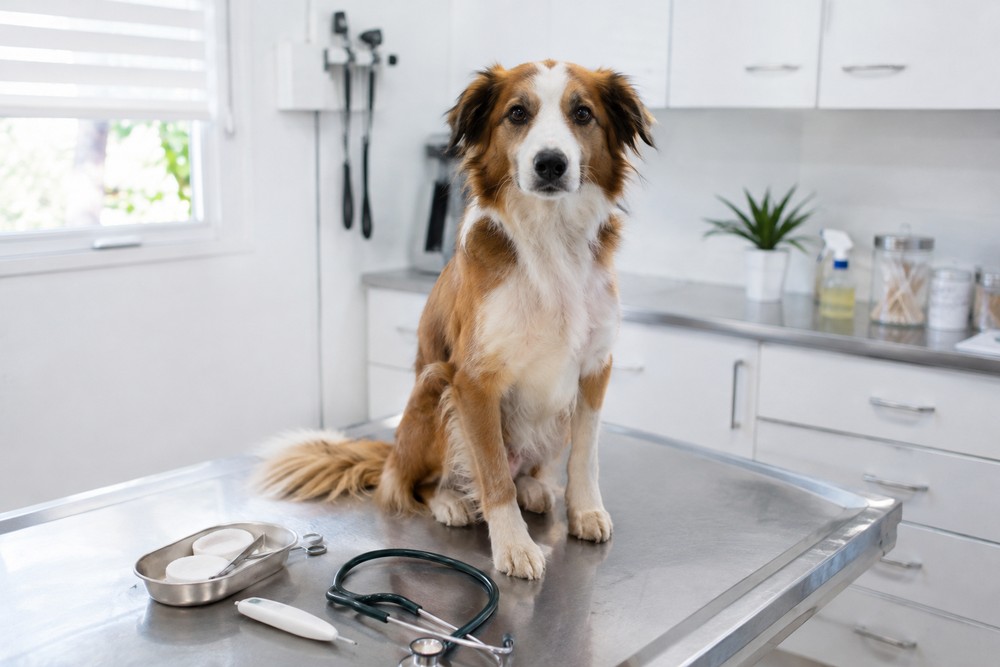
You know your pet better than anyone. You notice the slower jump onto the couch, the skipped breakfast, the extra scratching, the breath that seems a little different than it was a few months ago. Most people wait because life gets busy, money is tight, or the problem does not seem urgent yet. That is a normal reaction. It is also where small health issues get room to grow, which is why professional dental care for pets in Niagara Falls, ON can make a meaningful difference.
Why Preventive Care Is The Foundation Of Animal Hospital Visits comes down to one simple truth. Pets hide illness well, and by the time symptoms are obvious, treatment is often harder, more expensive, and more stressful for both of you. Regular checkups, vaccines, parasite screening, dental reviews, weight tracking, and lab work catch change early. That is the real value of an animal hospital visit. It is not just care when something goes wrong. It is care that helps keep things from going wrong in the first place.
Preventive care protects pets before illness becomes a crisis
Many pet owners think of the vet as the place you go when your dog is limping or your cat stops eating. That kind of visit matters, but it is only part of the picture. preventive veterinary care looks at your pet when they seem fine, which is often the best time to find problems. A wellness exam can reveal weight gain, joint stiffness, early dental disease, skin changes, heart murmurs, and subtle shifts in behavior that point to larger issues.
The University of Georgia Pet Health Center explains that annual wellness exams help veterinarians build a baseline for your pet’s normal health. That baseline matters. If your pet’s bloodwork, heart rate, weight, or mobility starts to change, the difference is easier to spot when there is something to compare it to.
This is where people often get caught off guard. A dog can seem happy and still have early arthritis. A cat can act mostly normal and still have kidney disease developing in the background. Parasites can live quietly before they cause visible trouble. Dental disease can progress long before your pet refuses food. Waiting for clear symptoms feels practical in the moment, but it often shifts the cost and stress to a later date, when the condition needs stronger treatment and your pet feels worse.
Routine animal hospital care lowers long term stress and cost
Preventive care is not only medical. It is financial and emotional protection. A routine exam costs less than an emergency visit. A vaccine series costs less than treating a preventable infectious disease. A fecal test and parasite prevention cost less than dealing with a serious infestation that affects your pet and your home.
Virginia Tech’s guidance on pet preventive care outlines the basics that support long term health, including exams, vaccines, nutrition, dental attention, and parasite control. These are not extras. They are the core pieces of keeping pets stable over time.
There is also the strain of uncertainty. When your pet is suddenly sick, decisions come fast. You may be trying to understand test results, treatment plans, and costs while your pet is anxious and uncomfortable. Regular visits reduce that chaos. They also build familiarity, so your pet knows the clinic, and your veterinary team already knows your pet’s history, behavior, and risk factors.
That relationship has real value. The veterinarian client patient relationship supports better decision making, clearer communication, and more consistent care. The University of Arizona highlights the importance of the veterinarian client patient relationship because trust helps everyone respond faster and more effectively when health concerns come up.
Preventive veterinary visits find hidden problems earlier
Early detection changes outcomes. Recent AVMA journal research adds to what clinics see every day, that regular veterinary contact is tied to better opportunities to identify disease before it advances. You can review the AVMA journal findings on preventive veterinary care and visit patterns for a closer look at how ongoing care supports health monitoring.
Think about the common “wait and see” path. Your dog starts drinking a little more water. Your cat loses a little weight, but still uses the litter box and asks for treats. Your senior pet sleeps more, and you assume that is just age. Sometimes it is age. Sometimes it is diabetes, kidney disease, thyroid disease, pain, or heart changes. The point of a pet wellness exam is not to turn every small change into panic. It is to sort normal aging from the start of disease.
| Type of Visit | What Usually Happens | Likely Cost Pattern | Impact on Pet |
|---|---|---|---|
| Preventive care visit | Physical exam, vaccines if needed, parasite screening, dental review, weight check, discussion of diet and behavior | More predictable, usually lower per visit | Less stress, earlier detection, fewer advanced problems |
| Illness based visit after symptoms worsen | Diagnostics, medications, possible imaging, urgent follow up, treatment for established disease | Less predictable, often higher overall | More discomfort, more invasive care, longer recovery |
| Emergency visit | Stabilization, urgent testing, rapid decisions, possible hospitalization | Highest and least predictable | High stress for pet and owner, greater health risk |
Small steps make preventive care easier to keep up with
Schedule the next visit before you leave. The easiest appointment to keep is the one already on the calendar. Annual visits are the minimum for many adult pets. Puppies, kittens, seniors, and pets with ongoing conditions often need to be seen more often.
Track changes at home. Write down shifts in appetite, water intake, energy, bathroom habits, weight, breath, mobility, and behavior. You do not need a perfect system. Notes on your phone are enough. Those details help your veterinary team connect dots that are easy to miss during a short visit.
Ask for a prevention plan, not just treatment advice. A good animal hospital can outline vaccines, parasite prevention, dental care, nutrition goals, and screening tests based on your pet’s age and risk. That gives you a clear path instead of vague reminders to “keep an eye on it.”
Preventive care gives your pet a steadier, healthier life
Most people do not regret bringing a pet in early. They regret waiting and wishing they had known sooner. That is why preventive care sits at the center of animal hospital visits. It catches quiet problems, lowers the chance of emergencies, and gives your pet the best shot at a longer, more comfortable life.
If your pet has not had a recent exam, now is a good time to schedule one and build a plan that fits their age, lifestyle, and health history.