Woodbridge homeowners depend on reliable heating and cooling through humid summers, chilly winter nights, and the seasonal swings common in Northern Virginia. A simple maintenance routine can help you notice problems early, protect day-to-day comfort, and keep equipment from working harder than necessary. For help beyond basic upkeep, professional residential HVAC in Woodbridge, VA services can inspect system performance and address repairs that should not be handled as a DIY project.
Whether your home uses a furnace, central air conditioner, boiler, heat pump, or ductless system, the goal is the same: maintain steady airflow, keep components clean, and respond promptly when something changes. Use this checklist as a practical year-round guide, then follow the maintenance instructions supplied with your specific equipment.
Why Routine HVAC Maintenance Matters
Heating and cooling equipment performs best when air can move freely through the system. Dirty filters, blocked vents, debris around an outdoor unit, and neglected components can contribute to longer run times and uneven indoor temperatures. The seasonal maintenance checklist from ENERGY STAR recommends professional pre-season checkups, with cooling service in spring and heating service in fall.
Routine care cannot prevent every mechanical failure. It can, however, make it easier to identify a developing problem before the hottest or coldest days in Woodbridge place the greatest demand on your system.
Monthly HVAC Tasks Homeowners Can Handle
Most monthly tasks involve observation and basic housekeeping. Avoid removing sealed panels or touching wiring, fuel lines, refrigerant tubing, or internal controls.
- Inspect the air filter for visible dust buildup and replace it if it is dirty or clogged.
- Confirm that supply registers and return grilles are open and not blocked by rugs, furniture, or storage.
- Check that the thermostat is set to the intended mode and replace batteries if applicable.
- Listen for rattling, squealing, grinding, or other sounds that were not present before.
- Look around the indoor unit for water, staining, or moisture near the condensate drain area.
- Notice whether rooms are becoming unusually warm, cool, stuffy, or difficult to regulate.
Spring Cooling Checklist
Before summer humidity arrives, prepare your air conditioner or heat pump for cooling season. Test it on a mild day rather than waiting for the first major heat wave.
Photorealistic macro close-up of a homeowner’s hand sliding a clean pleated HVAC air filter into place, showing the filter texture and airflow arrows in sharp detail, with the furnace cabinet softly blurred in the background and shallow depth of field.
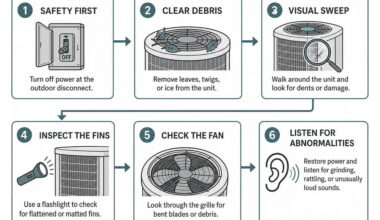
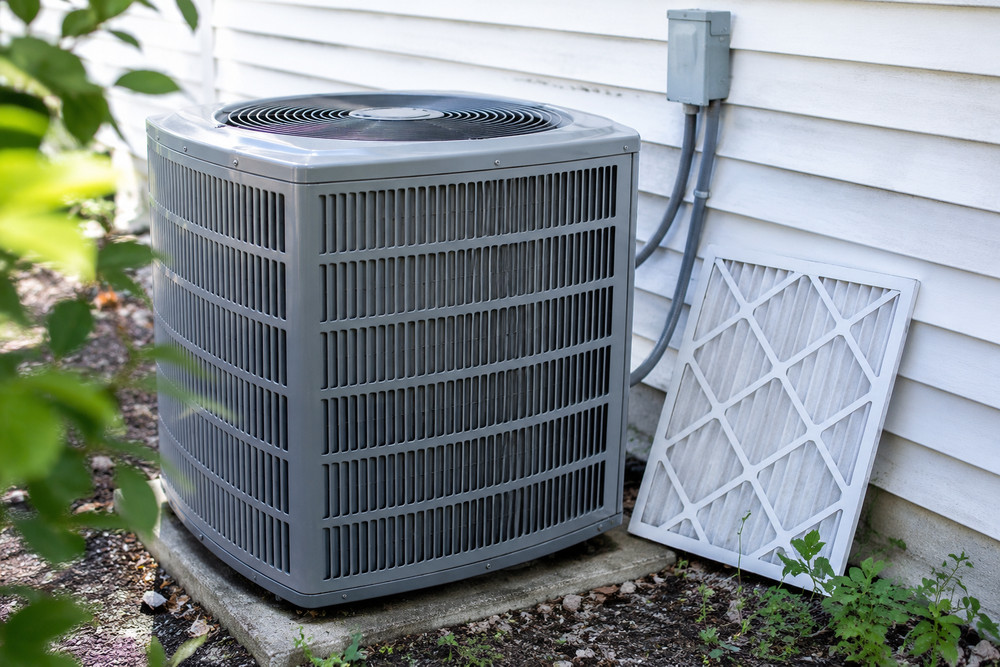
- Remove leaves, grass clippings, branches, and loose debris from around the outdoor unit.
- Keep vegetation trimmed back so the unit has room for airflow.
- Check visible refrigerant-line insulation for obvious damage, but do not attempt refrigerant repairs.
- Run the cooling system briefly and confirm that conditioned air reaches the rooms normally.
- Schedule professional service to evaluate coils, controls, electrical connections, drainage, airflow, and refrigerant charge.
Dirty coils and airflow restrictions can reduce cooling performance and cause a system to run longer. A technician can safely clean components and identify issues that are not visible during a homeowner inspection.
Fall Heating Checklist
Fall is the right time to prepare a furnace, boiler, or heat pump before cold weather settles into Prince William County.
- Install a clean filter before heavy heating use begins.
- Switch the thermostat to heating mode and confirm that the system starts and shuts off normally.
- Keep vents and returns clear throughout the home.
- Visually inspect accessible vent pipes and outdoor exhaust terminations for obstruction or damage.
- Test smoke alarms and carbon monoxide alarms according to their manufacturer’s instructions.
- Arrange a professional heating inspection, particularly for fuel-burning equipment.
Never attempt to repair gas connections, burners, heat exchangers, combustion equipment, or electrical controls without proper training. If you smell gas, see smoke, or a carbon monoxide alarm sounds, leave the area if necessary and contact emergency services or the appropriate utility provider.
Year-Round Energy-Saving Steps
HVAC performance is also affected by the home around it. Sealing drafts, insulating accessible ducts in unconditioned spaces, and using curtains to limit unwanted summer sun can support more consistent comfort. The Department of Energy recommends that homeowners review utility bills and inspect ducts in unheated areas as part of a broader home energy routine.
- Seal noticeable drafts around doors, windows, service openings, and utility penetrations.
- Use programmable thermostat schedules that match your household routine.
- Compare energy bills with the same season from the previous year.
- Consider a home energy audit if multiple rooms remain uncomfortable despite normal HVAC operation.
Warning Signs That Need Professional Attention
- The system turns on and off repeatedly without maintaining comfort.
- Airflow is weak, uneven, or absent from certain rooms.
- You hear banging, buzzing, grinding, or persistent squealing.
- Ice forms on an air conditioner or heat pump.
- Water collects near indoor equipment.
- You notice burning, electrical, or gas-like odors.
- Utility costs rise without a clear change in weather or household use.
DIY Tasks Versus Professional Tasks
This quick comparison helps separate routine homeowner care from work that requires specialized tools, training, or safety procedures.
| Usually Safe for Homeowners | Best Left to a Qualified Professional |
|---|---|
| Changing standard filters | Testing refrigerant charge |
| Clearing outdoor debris | Cleaning internal coils or blower assemblies |
| Checking thermostat settings | Testing wiring, motors, capacitors, and controls |
| Keeping vents unobstructed | Checking gas pressure, burners, and combustion |
Keep a Simple HVAC Maintenance Record
Write down your system model, installation date if known, filter size, and every filter change. Save service invoices and note unusual sounds, odors, leaks, comfort issues, and repairs. This record can reveal patterns over time and gives a technician useful context during a service visit.
Questions to Ask Before Hiring HVAC Help
- What does the inspection include?
- Will maintenance and repair costs be listed separately?
- Are permits or code requirements relevant to the proposed work?
- What warranty coverage applies to parts and labor?
- Will the technician assess airflow and overall system operation?
- If replacement is discussed, what repair-versus-replacement factors should be considered?
Frequently Asked Questions
How Often Should an HVAC System Be Serviced?
Annual professional service is a common baseline. Homes with separate heating and cooling equipment often benefit from spring cooling maintenance and fall heating maintenance. Heat pumps may need attention in both seasons because they commonly provide heating and cooling.
How Often Should an Air Filter Be Changed?
Start by inspecting it monthly. The correct replacement schedule depends on the filter type, equipment instructions, pets, dust levels, allergies, renovation activity, and how often the system runs.
When Should an HVAC System Be Replaced?
Consider the equipment’s age, repair history, reliability, comfort problems, operating costs, and available replacement options. A qualified contractor can help compare the long-term cost of continued repairs with the expected benefits of a properly sized new system.
Conclusion
A dependable HVAC routine does not need to be complicated. Check filters, keep airflow paths clear, prepare equipment before each major season, and address warning signs promptly. Combining safe homeowner upkeep with professional service for technical work can help Woodbridge households stay comfortable throughout the year.