Assess Your Immediate Needs
A hasty move requires quick thinking and prioritizing. Before opening boxes and tape, decide what you need. Imagine your next 24 hours and ask what you need. A portable essentials kit should contain medications, work gear, chargers, toiletries, and important documents. Use this modest collection as a lifeline to avoid digging through piles when pressure is high.
Once those items are secured, move outward in concentric circles. Identify the rooms that can be packed early without disrupting daily life. Storage spaces and guest rooms usually lead the way, while the kitchen and bedroom wait until the final hours. Thinking in layers keeps order when the clock seems to melt away.
Fast-Track Professional Support
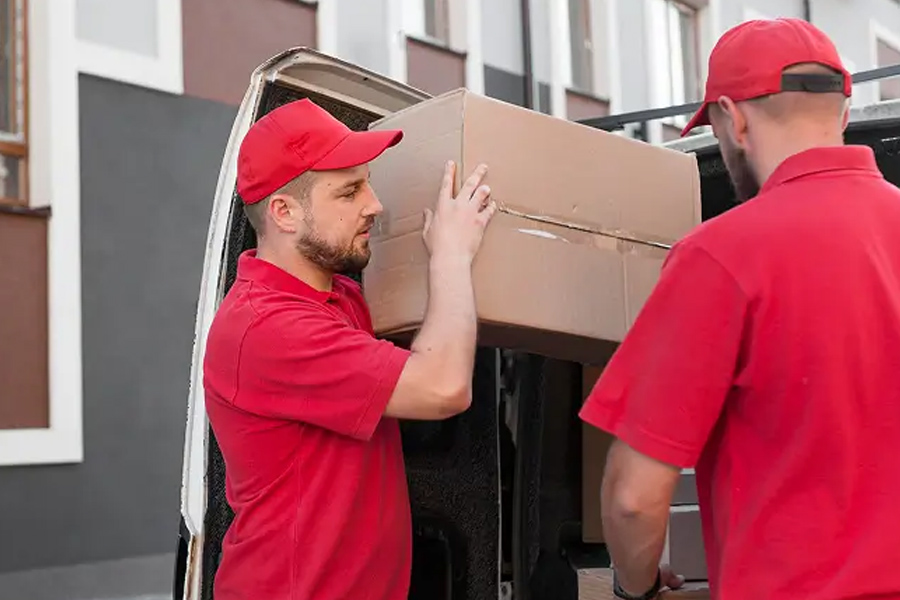
Professional movers save the day when moving feels like a sprint. When relocation is inevitable, contact local crews. Many companies specialize in emergency scheduling and quick turns. Ask about their equipment, response time, and packaging/transport capabilities.
Investing in professionals is not just about convenience. It translates directly into saved hours, reduced physical exhaustion, and fewer logistical problems. Imagine trying to juggle heavy furniture, fragile items, vehicle rentals, and paperwork at once; letting experts commandeer the heavy lifting frees your mind for decision-making.
A last-minute move rewards those who delegate smartly rather than those who insist on doing it all alone.
Simplify Your Life in Motion
Rapid move offers a chance to reassess your surroundings. Consider it shedding old skin. Declutter by sorting items into keep, donate, and throw away. Touch each item and decide its fate immediately.
Old items often become unnecessary weight. Unread magazines, outdated decor, and unused kitchen appliances waste space and energy. Releasing them is practical and symbolic. Remove each box to lighten your path and bring clarity to chaos.
If sentiment clouds your judgment, remember that memories are inside you, not dusty items. Photograph things that evoke emotion but cannot justify their existence. Without superfluous cargo, you’ll keep their spirit.
Creative Packing Using Household Materials
Improvisation becomes art when stores are closed or time is limited. Look around your home for elegant packing containers. Books and shoes fit in suitcases. Laundry baskets hold folded clothes. Quilts, coats, and stuffed toys go in trash bags.
Instead of bubble wrap, cushion breakables with towels, sheets, and sweaters. Cover dishes with pillows or socks to protect them. These hacks work and are surprising efficient. Waste is reduced and money is saved as everyday things become allies.
Still need boxes? Check nearby shops and restaurants. The cardboard they discard is often stronger than retail. A trunk full of free materials can be yours with a little conversation and courtesy.
Build a Support Network
No emergency move works without eager hands. Open up with your group. People often hesitate to help since they don’t know what will work best. Clarify your needs.
Someone might handle administrative calls while another assists with packing. Friends could borrow trucks, gather supplies, or supervise pets and children. Even small contributions accumulate into large relief.
Offer refreshments and thanks to fuel their efforts. These collaborative hours generate memories longer than the move. Trust and teamwork turn a personal struggle into a community sprint.
Administrative Efficiency on the Fly
Behind the rush of boxes hides a web of logistics. Utility transfers, address updates, rental agreements, and insurance notifications all vie for attention. Handling them strategically saves mental strain later.
List all entities that need your new address or relocation date on a master sheet. Electricity, water, and internet are basics. Online disconnect/reconnect scheduling is available from many providers. When possible, use that feature to avoid phone lines.
Health providers, banks, and delivery subscriptions follow. Doing these chores in one sitting prevents paperwork from becoming disorganized. Digital organization resembles packing—order in chaos.
Pack with Momentum, Not Perfection
When the deadline looms, meticulous packing fades in importance. Accept imperfection as your ally. Stack plates with paper towels between them, secure glasses inside towels, and group miscellaneous items by room. A simple marker noting “Bedroom 1” or “Kitchen 3” is enough.
The goal is mobility, not symmetry. Each sealed box should show progress, not perfection. Consider the procedure a rhythm rather than a checklist, feeling accomplished with each container filled. At your new location, time will slow down. You can revise, unpack, and reorganize without time pressure.
Adaptability as Your Anchor
Every quick move has unforeseen issues. Lost folders, trucks, and tools can be devastating. Consider these flexibility tests. Take a breath and refocus. Steering calmly through the storm is faster than fighting it.
Humor helps here more than perfectionism. Laugh at the peculiar situations — the box labeled “Essentials” containing only baking pans, or the discovery of toys from a forgotten phase. These marks of human life remind you that chaos can carry charm too.
Understanding that moving is temporary softens the anxiety. In a short while, the new environment will feel familiar, and the frantic pace will leave behind only stories worth telling.
FAQ
How can I stay organized when time is extremely limited?
Use a running checklist that evolves hourly. Document what has been packed, what remains, and which helpers are assigned to each task. This living record reduces overlap and confusion.
Is hiring professionals really necessary for a last-minute move?
While not essential, professionals dramatically cut down on potential delays and physical exhaustion. They handle loading, transport, and sometimes packing itself, which keeps you focused on coordination and adaptation.
What should I pack first during a rushed relocation?
Start with nonessential spaces like closets, spare rooms, and stored items. Save everyday essentials such as clothing and kitchen supplies for the final phase so daily life remains functional.
How do I handle fragile items when packing in a hurry?
Use soft materials you already own: towels, blankets, sweaters, and pillowcases. Wrap each fragility snugly, layer them together, and place heavier items at the bottom. Label clearly for gentle handling.
What is the fastest way to manage address and utility changes?
Create a digital list and schedule all updates in one dedicated session. Most companies have online forms. Focus first on electricity, water, and internet before moving to banking or subscriptions.
How do I keep stress levels manageable during the process?
Stress loves uncertainty. Structured lists, short breaks, hydration, and friends help reduce it. Keep reminding yourself that the turmoil is temporary and progress is visible with each step.
How can I motivate helpers effectively?
Offer food, clear instructions, and appreciation. Assign specific tasks and let each person know how their effort contributes to the bigger picture. Gratitude strengthens morale far more than urgency alone.
What do I do if my packing supplies run out?
Repurpose household items — baskets, tote bags, pillowcases, and suitcases. For extra boxes, call local stores. Improvisation turns scarcity into innovation.
Why is decluttering important during a quick move?
Each unnecessary item increases workload and storage costs. By donating or discarding, you compress both effort and expense. The resulting simplicity also gives psychological relief amid disorder.
How can I recover from mistakes during a last-minute relocation?
Expect at least small errors. When they occur, treat them lightly, adjust your plan, and move forward. Perspective is your compass. In the broader view, missed labels or misplaced gear matter far less than reaching your new home intact.