Rethinking Classroom Energy
A classroom has its own invisible rhythm. The hum of conversation, the shuffle of papers, the occasional burst of laughter, and the silence that settles when curiosity takes over. When the environment is tuned to human needs, learning flows easily. Yet budgets often limit transformation. The good news is that even small, thoughtful changes can shape meaningful learning experiences. Designing a space that makes both calm and creativity possible is about intention more than money.
Many educators now recognize that decor is not a superficial pursuit. It can communicate belonging, capability, and safety. The heart of a neuroinclusive classroom beats to the rhythm of diversity — sensory, emotional, and cognitive. Crafting that rhythm involves adjusting light, texture, sound, and organization until balance replaces chaos.
Creating Emotional Anchors with Space and Color
Every classroom has emotional temperature zones. The trick is learning to manage them through layout and color rather than relying on rules alone. Cool tones like muted greens or soft blues signal the brain to release tension. Too much color, however, creates a visual buzz that distracts students who need simplicity to focus.
Build temporary backdrops with large sheets of recycled paper instead of painting walls to set the mood for learning. Cover an entire wall in soft gray or light beige paper and cover with student art. Texture adds warmth, and paper absorbs light instead of reflecting it off white surfaces.
Think of the classroom as alive. Corners are action limbs, walls are skin, and light is beating. A teacher conducts environment as well as academics by coordinating these elements.
Flex Zones Instead of Static Desks
The traditional grid of desks has long outlived its purpose. Fixed seating restricts movement and limits attention spans. Students benefit when movement is built naturally into the school day, especially those who rely on motion to stay centered.
Divide the classroom into three simple zones: Focus for direct instruction, Collaboration for teamwork, and Reset for decompression. Avoid visual clutter by defining boundaries using colorful masking tape on the floor. Thoughtfully selected education furniture solutions can make it easier to create flexible learning environments that support a variety of teaching styles and student needs.
An ancient rug, cushion bench, and tranquil scenery can be in the Reset Zone. It teaches kids self-regulation live. They notice when their energy needs to shift and get in balance without prodding. One of the most lasting school teachings is this modest emotional intelligence instruction.
Lighting as a Language of Calm
Light speaks directly to mood. Too bright, and concentration fractures; too dim, and motivation declines. Neutral, layered light feels like early morning in a quiet café — awake but peaceful.
Teacher rarely control ceiling fixtures, but inexpensive table lamps, clip-on lights, and filtered covers can instantly transform a room. Use thrift store translucent basket lids or light-diffusing fabric to shade harsh bulbs. String lights should be warm white rather than multi-colored to indicate rest rather than performance.
Value natural light as a guest. Clear windows and hang sheer drapes that move with air currents. Sunlight invites us to notice, pause, and breathe before thinking again.
Soundscapes and Silence
A hidden dimension of decor is acoustics. Sound travels through walls and settles in minds. Some noise supports collaborative learning, but constant chatter and echoing surfaces increase stress. Soft baskets, fabric backdrops, and rugs absorb excess reverberation effectively.
Teachers can curate a gentle soundscape using simple digital tools. Quiet nature recordings or a soft metronome rhythm help regulate classroom tempo during independent work. Silence, however, remains golden when used deliberately. Silence is like punctuation; it makes meaning clearer and gives minds a chance to rest.
Student Voice in Spatial Design
Ownership boosts engagement. Engage students in spatial decisions from the start. Ask what distracts or comforts them. Use anonymous suggestion slips for shy students who hesitate to speak.
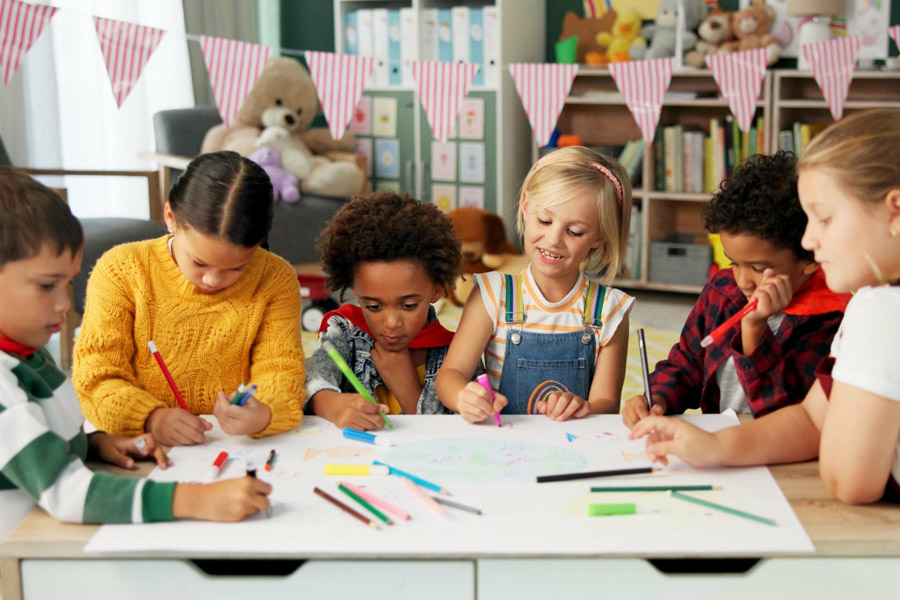
Younger learners can co-create classroom symbols like a collective mural or value wall where core principles appear in their handwriting. Older students might take charge of managing weekly updates to display areas. Rotating responsibility keeps the room alive and subtly reinforces agency.
A gallery wall can tell a growth story. Show process and progress with student reflections next to drafts. Motivation lasts longer when the room praises becoming over perfection.
Materials with Personality
Objects remember. Reused or upcycled objects provide authenticity with their stories. Words on folded paper slips can be stored in empty spice jars. Students can use a cracked wooden crate as a podium.
Mismatched chairs can be painted one color to provide uniformity without hiding originality. Make curtain ties or wall banners from fabric scraps. These haptic aspects soften classroom institutionality. They remind everyone that learning is pieced together from the mundane.
Rituals that Reinforce Calm
Decor lives only with routine. Have a brief breathing exercise near the calm corner, a two-minute peer-to-peer check-in by the entryway, or a gratitude moment under the classroom tree display. The repetition stabilizes transitions and reduces change anxiety.
A symbol can support these ceremonies. A modest wooden token or student-made framed statement can signify the tranquil zone or start quiet reflection. Eventually, these actions cement group identity more than decorative purchases.
Scaling Inclusion Beyond Decor
A visually balanced space promotes emotional and cognitive equilibrium, but everyday interaction maintains inclusion. Students should learn to recognize sensory overload in themselves and others. Let them propose dimming lights or dropping voices. When inclusion is co-created rather than mandated by instructors, it thrives.
Curiosity into human variety is free in a low-resource classroom. Each kid explains what constitutes a supportive environment. Value such findings as design data.
FAQ
How can I improve classroom atmosphere without spending extra money?
Prioritize rearranging over buying. Utilize natural light, move furniture to open passageways, and utilize forgotten objects in storage spaces. Students can offer their craft equipment for communal use, changing ownership into collaboration.
What are the simplest adjustments to make a room calmer?
Lower the brightness of overhead lights, reduce wall clutter, and choose two or three consistent colors throughout the space. Introduce one soft material such as a rug or fabric panel to balance hard surfaces. These small shifts signal stability and instantly influence behavior patterns.
How do I involve students in maintaining decor?
Use rotating teams for cleaning, display management, and visual improvements. Each term, encourage students to suggest new color schemes or rearrangements. This shared accountability decreases teacher effort and encourages space stewardship.
Which materials work best for durable, sustainable classroom decor?
Search for recycled paper, cardboard, cloth, tin cans, and wooden crates. Their neutral tones and story-driven texture create harmony and sincerity. Treat them like art tools instead of trash, and sustainability silently grows.
How does spatial organization affect student behavior?
When space is predictable yet flexible, students feel secure enough to take intellectual risks. Clear pathways reduce impulsive movement, while dedicated zones help differentiate learning modes. Structure in the physical realm translates into self-structure in behavior and thinking.
What is the best way to combine creativity and calm in design?
Create a quiet foundation. Use color and pattern as accents, not music. When senses are calm, creativity thrives. Combine visual excitement with visual resting areas. The layout of this classroom teaches attentiveness.