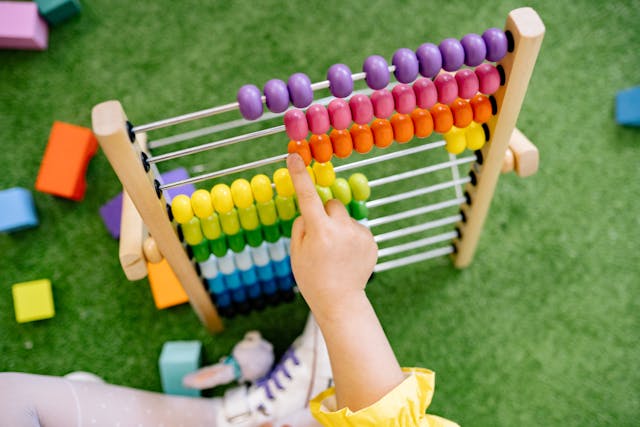
Supporting a child’s growth in the early years is less about structured teaching and more about the quality of everyday experiences. Children learn through relationships, repetition, and the freedom to explore at their own pace. What seems small to an adult often carries lasting developmental value, especially when it happens consistently within a supportive environment.
What Growth Really Means in Early Childhood
Growth in early childhood is not limited to physical milestones or early literacy skills. It includes emotional awareness, communication, social confidence, and the ability to manage everyday situations. These areas develop together, shaping how a child experiences the world and interacts with others in both familiar and new settings.
Looking at development this way shifts the focus from outcomes to process. Instead of asking how quickly a child learns something, it becomes more useful to ask how they are supported in exploring, expressing, and understanding their experiences. This perspective leads to more realistic expectations and a more balanced approach to development.
Working in Partnership with Early Learning Providers
Choosing the right early learning provider is not just about availability or convenience. It is about finding a setting that communicates clearly, understands your child, and works with you as a partner rather than in isolation. For families considering, for example, childcare in Vermont, this often means comparing how different settings approach communication, feedback, and day-to-day collaboration with parents.
A strong partnership supports continuity of development. When routines, expectations, and responses are aligned between home and the learning environment, children receive consistent signals that help them feel secure and understood. This consistency tends to lead to smoother transitions, fewer behavioral challenges, and more confident engagement over time.
Building Emotional Security Through Everyday Interactions
Children do not learn emotional regulation through instruction alone. They learn it through repeated, consistent responses from the adults around them. When a caregiver remains calm, acknowledges feelings, and provides reassurance, a child begins to understand that emotions are manageable rather than overwhelming.
Consistency matters more than perfection. Over time, these interactions create a sense of emotional security that allows children to explore, take risks, and recover from frustration more easily. This sense of safety often becomes the foundation for curiosity and engagement.
Encouraging Communication in Natural, Everyday Moments
Language development grows through conversation, shared attention, and responsiveness. Talking to a child during routine activities such as meals, play, or transitions helps connect words to real experiences and builds understanding gradually.
Listening is just as important as speaking. When a child attempts to communicate, responding with interest builds language confidence and encourages further interaction. These repeated exchanges strengthen both vocabulary and the child’s willingness to express themselves.
Supporting Independence Without Creating Pressure
Independence develops gradually through small opportunities to try, repeat, and improve. It often appears in everyday moments rather than structured tasks, such as choosing between options or attempting simple routines.
Allowing space for effort, while still offering support, helps children build self-confidence. This balance encourages persistence without creating pressure, and it helps children feel capable without feeling overwhelmed by expectations.
Creating Meaningful Opportunities for Play
Play is the primary way children understand the world. Through play, they experiment, imagine, negotiate, and solve problems in ways that structured activities cannot fully replicate. It allows them to explore ideas freely and at their own pace.
Open-ended play supports creative thinking and encourages flexibility in how children approach situations. It also gives adults insight into how children think, communicate, and respond to challenges, which can guide further support.
Supporting Social Skills Through Real Interaction
Social development happens through shared experiences with others. Children learn to take turns, share attention, and understand perspectives by participating in interactions that feel meaningful and relevant to them. Modeling respectful behavior supports social awareness and helps children build meaningful connections over time.
These early interactions shape how children approach friendships and group environments. They are part of how children learn to navigate the world and understand their own limits and capabilities. It teaches children that challenges can be worked through rather than avoided, which builds confidence and resilience in everyday situations.
Remember: Growth Is Built Through Consistency, Not Pressure
Supporting your child’s growth does not require constant intervention or structured teaching. It happens through consistent relationships, thoughtful responses, and everyday experiences that build understanding over time. When the environment feels secure and responsive, children naturally develop the confidence and skills they need, without unnecessary pressure or unrealistic expectations.