Seeing Space as Potential
A home addition is more than a construction project; it is a transformation of perspective. Many homeowners look at their existing spaces and see limitations. A skilled builder or designer sees potential corners, surfaces, and volumes waiting to be shaped into something that reflects the way people actually live. The walls that once confined routine life can open to the morning light, creating areas that breathe.
Thinking of space in this way changes how a homeowner views comfort. An addition is not only about adding square footage but about creating a sense of belonging within that footage. Each added room or corridor has a purpose tied directly to a family’s rhythm. Whether it is for new arrivals in the household or simply the desire to evolve the home alongside one’s lifestyle, the idea of increasing usable space becomes both practical and poetic.
Designing for Modern Living
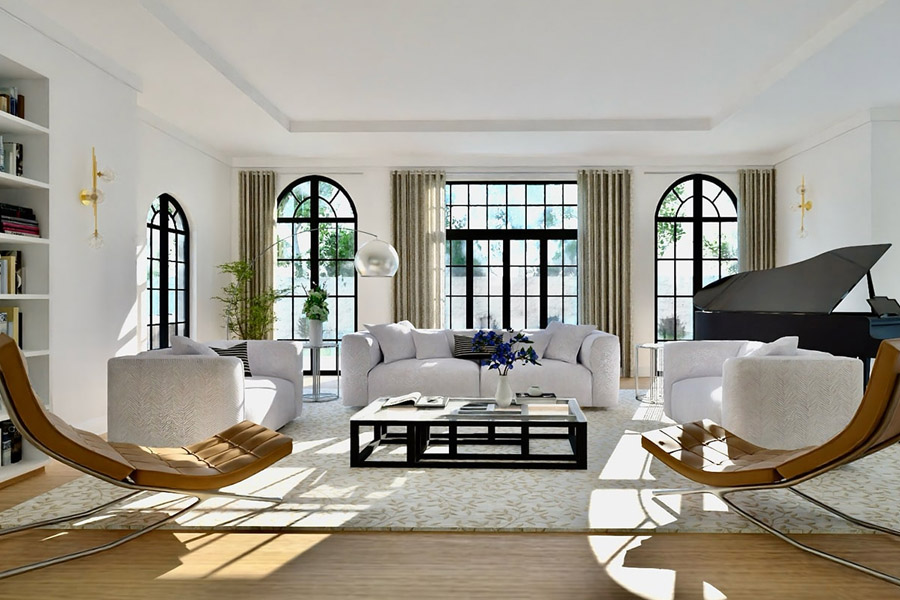
Modern design prioritizes light, flow, and connection. Older homes sometimes feel disjointed, with rooms cut off from one another and narrow passages breaking the visual line. Expanding outward or upward can turn a divided plan into a seamless one. When designers remove barriers and invite light deeper into the floor plan, the home begins to feel renewed.
As kitchens and living spaces mix, families can socialize without seclusion. Hallways lead to bright common spaces. The expansion changes how rooms interact and how people connect within them. Winsome windows, skylights, and open layouts turn a box into a warm, inviting hideaway at all hours.
The Freedom of Purpose-Built Rooms
Every household has activities that fall beyond the layout. Hobbyists use dining table corners; kids’ toys litter living room floors. An addition places these actions properly. A space dedicated to a hobby or routine is like a stage.
Craft rooms, music studios, home gyms, and entertainment lounges are common choices. These designated areas do more than store equipment or materials; they create permission to engage fully in what brings joy. When space is designed for a purpose, it removes the friction of setup and cleanup. It encourages consistency and sparks creativity. For families, this can mean cherished rituals—movie nights, weekend projects, or shared meals—no longer squeezed into awkward corners but unfolding naturally in their own dedicated environments.
The Subtle Impact of Storage
The quiet hero of any well-loved home is storage. Without it, even beautiful spaces can collapse into chaos. Additions can resolve this invisible challenge. Expanding a laundry area, carving out a new closet, or reconfiguring a hallway to host built-in shelves can change daily life more dramatically than a full redesign of decor.
Clutter accumulates slowly, so many underestimate its impact. Calm increases with storage. Though subtle, the effect is less clutter on walls and shorter searches. This order gradually replaces tension with comfort. Storage-efficient homes grow with their owners.
Financial Planning with Confidence
Before seeing results, budgeting for a home addition might be scary. Professional builders estimate design complexity, materials, and finishing details. Project ideas become feasible goals once those numbers are obtained.
Homeowners have more options than ever for financing, allowing them to manage expansion without financial strain. The important step is collaboration—working with professionals who communicate clearly and adapt plans to budgets instead of letting costs spiral unexpectedly. The right builder translates vision into financial clarity, giving clients the confidence to move forward instead of hesitating at what-ifs.
A Canvas for Style Renewal
Even the most beloved homes show their age. Textures fade, patterns feel dated, and layouts reflect habits from decades past. An addition provides the perfect opportunity to introduce fresh materials and design language that merges the old with the new.
Natural wood with sleek industrial lines or flooring that aligns spaces are options for homeowners. This project resets design, allowing finishes and colors to match current structures. An updated window frame, tile choices, or sculptural stair rail can harmonize the addition and the old structure. This past-present dialogue revitalizes the property.
Living Better Without Moving Away
A common misperception is that relocation is the sole response to changing demands. The emotional toll of leaving home sometimes exceed the benefits of moving. Families can keep their roots while changing their physical environment by expanding their land.
A growing household can adapt by turning attics into bedrooms or adding family rooms that look onto the garden. Long-time residents can prepare for future comfort by incorporating accessible entries or first-floor suites. Staying in place while adjusting to new realities saves time, fosters community ties, and often results in better overall satisfaction. The structure becomes a living story, continuing rather than starting over.
The Emotional Architecture of Change
Building on a home also restores pride and connection. Authorship occurs with every nail driven and beam lifted. People often rediscover their home by seeing how sunlight travels, kitchen aromas drift, and laughter fills new corners. Life’s emotional map changes with expansion.
Better room flow improves connections. Mornings go better. Evening parties last longer. Finding a quiet reading nook or sunny studio makes solitude feel deliberate. An purposeful inclusion frames real walls to enrich every encounter.
FAQ
How long does a typical home addition project take?
Scope determines timeline, although most projects take months from design approval to completion. A multi-room or second-story enlargement takes longer than an eight- to twelve-week bump-out or kitchen extension. Planning and communicating with the builder are the greatest ways to stay on schedule.
Is it better to build upward or outward?
The choice depends on lot size, zoning rules, and the home’s current structure. Building outward is often simpler when land allows, providing easy access to new rooms. Building upward can preserve yard space but typically involves reinforcing foundations and rooflines. Consulting a structural expert helps determine which approach aligns with both design and budget goals.
What types of additions add the most value to a property?
Daily function improvements add value best. Resale buyers want extra bedrooms, renovated kitchens, larger living spaces, and principal suites. The key is cohesion—the addition should blend into the old property so purchasers see it as a whole rather than a collection of parts.
How can energy efficiency be maintained during expansion?
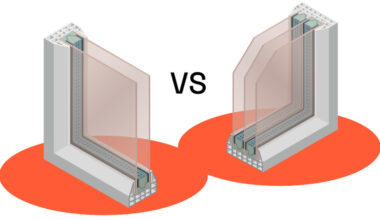
Modern additions incorporate insulated materials, energy-smart windows, and efficient mechanical systems. Designers also consider orientation to optimize natural light while reducing temperature swings. With the right strategies, an addition can actually improve the home’s overall energy performance rather than diminish it.
What should homeowners prepare before beginning the project?
Establish priorities: space functions, preferred styles, and financial restrictions before the initial design meeting. The designer can better understand needs by collecting photographs, sketches, or notes regarding each room’s use. With a clear vision from the start, building goes easily and meets expectations.