The Subtle Language of Storm Damage
Every roof has a tale. It endures sunlight, wind, and water quietly, but each storm leaves a mark. Roofs in Jacksonville, where coastal air and weather systems constantly battle, often silently witness the season’s turbulence. First signs are rarely dramatic. They whisper through faint discoloration, a faint curve where a straight line once ran, or bright granules in the gutter.
When weather is unpredictable, roofs endure more than wear. Continuous salty air and sudden rain erodes even the strongest materials. Before noticing the pattern, homeowners may notice a damp patch that dries slowly or shingles that reflect light differently after a storm. A roof’s quiet distress requires understanding, not just vigilance.
Shingles: The Armor That Speaks First
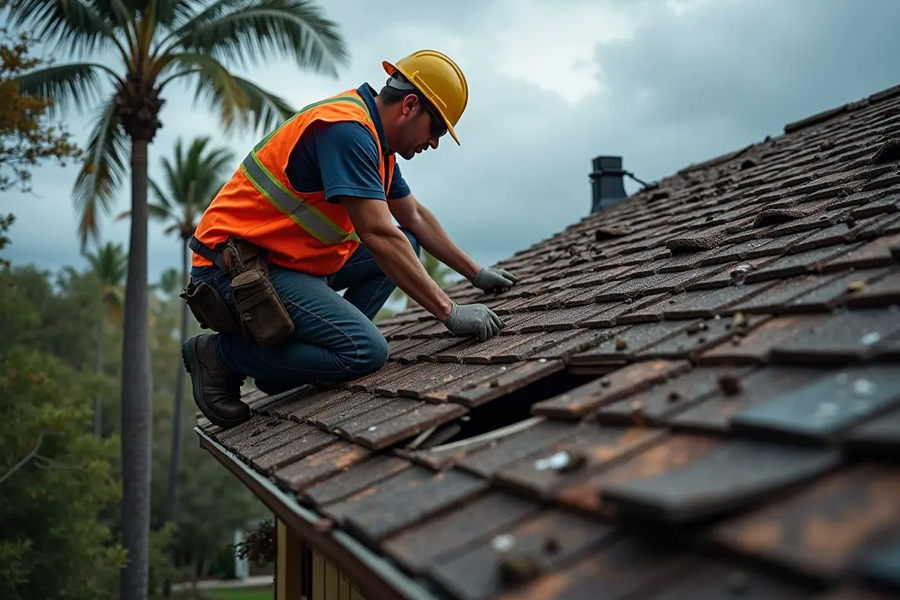
Each shingle guards the home like overlapping scales on a shield. When they are cracked, lifted, or missing, the roof exposes its vulnerability. In Jacksonville, high humidity and coastal gusts strain the adhesive layers that secure these shingles. The loss of one may appear minor, yet that single gap becomes an invitation for moisture.
Without protecting granules, UV rays damage surviving shingles, producing brittle textures and weaker edges. Heat and heavy rainfall in coastal regions accelerate this process. Checking the roof after severe winds or hail helps discover problems early. Early detection of tiny changes protects structure.
Tracking Moisture’s Path Indoors
Roof damage leaves subtle markings inside and out. Water is patient. Internal cavities, frame, and insulation lead it to an outlet. The line between indoor comfort and outdoor wear is frequently a faint ceiling corner ring or drywall deterioration.
When these spots multiply, the underlying issue deepens. Moisture travels farther than surface stains suggest, often carrying with it mildew and odor. Homeowners in Jacksonville’s damp climate benefit from examining attics, vents, and window frames after sustained storms. The key is to intercept water before it turns structure into sponge.
The Hidden Indicator: Granule Accumulation
Few think to read the debris that gathers along walkways or within gutters, yet it tells an essential story. Tiny protective granules protect asphalt shingles from heat and UV degradation. The surface loses sunlight reflection when these granules loosen.
After a storm, larger-than-usual accumulations signal that the roof may have shed more of its protective layer than expected. Jacksonville’s frequent rainfall can accelerate this loss. Spotting small clusters of gray or black granules near drains or driveway edges offers a simple yet telling sign. Regular cleaning and observation after storms reveal deterioration long before visual damage appears from below.
Uneven Surfaces and the Weight of Water
A roof thrives on symmetry. Its slope channels water downward, directing it into gutters and drains. When a portion begins to dip, trapped moisture is often the culprit. That sag represents more than aesthetic concern; it suggests that supportive beams beneath may have absorbed water past their tolerance.
Coastal areas with high humidity may never dry out between weather patterns. That slow, persistent dampness warps undershingles. Surface tension decreases as a straight edge curves. A minor depression that goes unnoticed one season can deepen the next. Visual and professional roofline inspections prevent unseen damage from becoming structural failure.
Professional Insight and Restoration
Hiring a trained roofing contractor in Akron does more than identify visible problems. Specialists recognize the story that the surface tells: the pattern of wind direction across the roof, the fine scoring left by airborne debris, and the color variation that signals heat damage. Their work combines observation with precaution. Each inspection reveals how the last storm shaped the roof’s current condition and how to prevent further degradation.
Precision during repair defines future longevity. The reattachment of loose shingles, sealing of microfractures, and replacement of damaged underlayment restore harmony across layers that must act as one. Reliable work does not merely patch weaknesses but reinforces the roof’s function as a protective system. For Jacksonville homeowners facing seasonal weather, such expertise turns a fragile surface back into a barrier of confidence.
Building a Long-Term Maintenance Rhythm
After immediate problems are resolved, maintaining rhythm with the seasons remains essential. Routine checks following intense rainfall or high winds translate into long-term durability. The climate surrounding Jacksonville subjects materials to cycles of heavy moisture and radiant heat. Neither condition alone is severe, but their alternation proves demanding.
Checking vent, skylight, and chimney flashing should become habitual. Clean gutters allow water to flow without backing up under shingle edges. Simple changes like pruning overhanging branches that scratch the surface during windstorms make an impact.
Many view the roof as an abstract structure that protects daily life. Regular maintenance turns the roof from a silent structure into a comfortable tool.
Understanding Storm Impact Patterns
Storms affect roofs differently. High winds raise corners and produce air holes, while hail flattens granules with nickel-sized bruises. Valleys and eaves are saturated by prolonged rain. Observing how each type of weather interacts with the roof material offers valuable foresight.
In Jacksonville, storms arrive quickly and vary in intensity. In this rapid sequence, one storm’s weakening becomes the next’s breaking point. Knowing this cumulative strain helps homeowners decide when to call professionals instead of waiting for leaks. Pattern recognition and timely maintenance keep the roof performing as intended.
The Role of Material Longevity
Materials react differently to pressure. Asphalt shingles dominate Jacksonville neighborhoods, but metal, tile, and composite systems are also common. Each material has advantages and weaknesses.
Asphalt shingles can withstand many conditions, but humidity accelerates degradation. Metal roofing resists water but expands subtly under extreme temperatures. Tile is sun-resistant but needs careful underlayment. Understanding these subtle behavioral differences helps owners choose customized care over generic fixes. A well-matched approach prolongs life and looks good.
Energy and Climate Interdependence
Roof condition directly affects indoor comfort and energy efficiency. Heat absorbed through weakened shingles seeps inward, increasing cooling costs during Jacksonville’s long summers. Insulation beneath the roof depends on a consistent barrier to maintain performance. When leaks or imperfections disturb balance, air circulation falters.
A restored and sealed roof stabilizes indoor temperatures better than the most advanced cooling system. As a thermal shield, it ensures each beam and rafter manages energy. Maintenance is frequently seen as a preventative gesture, but it also improves comfort and efficiency.
Preservation as Design
Maintaining a roof is like decorating a key room. The property’s visual peak is above. Clean lines, consistent color, and smooth slopes convey order. But craftsmanship—the unseen strength that defines security—is beyond appearance. Storm damage repaired properly maintains beauty and durability.
Each inspection, each careful replacement, restores not only shape but also purpose. A roof unites aesthetic appeal with essential function, keeping the composition of the home intact from top to foundation.
FAQ
How often should I schedule a professional roof inspection in Jacksonville?
Experts often recommend two inspections per year—once before hurricane season and once afterward. Regular assessments detect small problems before heavy rainfall or wind magnifies them.
What time of year poses the greatest risk for storm-related roof damage?
Late summer through early autumn brings volatile weather in Jacksonville. Tropical systems, heavy rain, and gusting winds during this period most frequently test roof durability.
If I only notice a few missing shingles, can I replace them myself?
Shingle replacement may appear simple, but missing pieces may signal structural looseness. Professional examination preserves nails and adhesive layers.
How can I tell whether water stains are new or old?
Fresh stains generally appear darker and feel cooler to touch, while older marks lighten over time. However, recurring moisture can reactivate previous marks, making expert assessment the most reliable approach.
What role does attic ventilation play in roof longevity?
Proper airflow within the attic prevents moisture accumulation that weakens shingles from beneath. Balanced intake and exhaust vents help moderate temperature and humidity, extending life expectancy.
Is it necessary to replace my entire roof after one strong storm?
Total replacement depends on the severity of the damage. In many cases, partial restoration or section reinforcement resolves issues efficiently. Only extensive tear-offs or structural warping necessitate full replacement.
How soon should storm-related roof damage be addressed?
Ideally within days of detection. Delays allow moisture to spread, leading to compromised framing or insulation. Quick action prevents a minor problem from evolving into a major repair.
What preventive measures can minimize storm damage in the future?
Secure loose flashing, remove debris before rainfall, and ensure gutter paths are clear. Schedule routine inspections after every major storm to identify early weaknesses.
Why do granules collect near my gutters even if my roof looks fine?
Granule loss occurs naturally with age, but rapid increases following storms indicate wind and rain eroded the shingle surface. Shedding indicates a weakening protective layer that needs repair.
Can upgraded roofing materials reduce long-term repair needs?
Yes. Investing in impact-resistant shingles or corrosion-resistant metal panels increases durability and decreases maintenance frequency, particularly in coastal environments like Jacksonville.