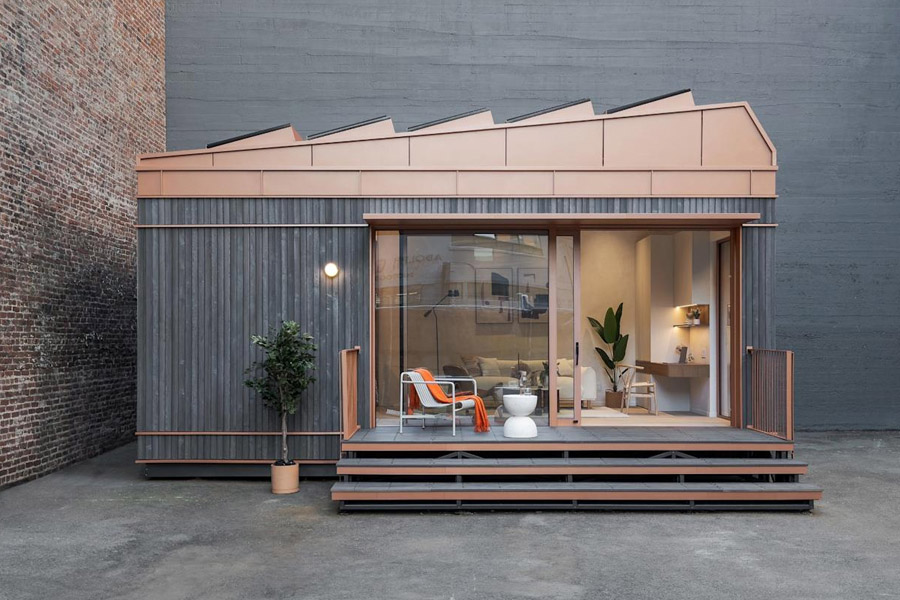
A Living Space Shaped by Vision
Every era leaves its mark on the architecture it inspires, note PMI Little Town Professionals. The coming years are defined by a pursuit of homes that think, breathe, and evolve like their owners. Custom residences are no longer just built; they are composed like symphonies, with each detail tuned to harmony between technology, sustainability, and human experience. More homeowners in growing cities such as Lakeville are discovering that a house should reflect purpose rather than mere presence.
The home becomes a cocoon of intention in this new design era, integrating aesthetics and performance. Shelter is also a story of our lifestyle and values. Intelligent design considers how light moves through the day, air moves through open spaces, and people interact with their surroundings.
The Pulse of Sustainable Architecture
Sustainability has shifted from a desirable feature to a defining standard. Materials with a story are favored—salvaged wood that bears the scars of its previous life, or metals that have been refashioned rather than mined anew. These elements carry authenticity. They remind residents that elegance can arise from mindful restraint.
Designers combine sustainability and comfort. Imagine walls and roofs that insulate sound and temperature and harvest sunlight without looking bad. Smart energy grids connect homes to local power networks, reducing waste and increasing efficiency. The sustainable home of tomorrow is an organism that monitors its consumption.
The Emotional Architecture of Nature
Biophilic design grows in custom homebuilding. Nature co-designs instead of decorating. Large windows bring the sky into, making rooms feel like outside extensions. Water features hum gently, stones grind, and indoor gardens naturally adjust humidity.
These elements go beyond beauty. Research continues to reveal how proximity to natural forms can recalibrate human emotion and focus. The scent of pine, the sight of plant shadows against a wall, or the tactile warmth of wood—each contributes to a symphony of sensory calm. As urban life grows faster, homes that echo the rhythm of the earth offer stillness without isolation.
Adaptive Spaces that Tell Multiple Stories
Successful homes today are customizable theaters for daily life. Room identities are no longer fixed. Sliding partitions, hidden desks, and foldable furniture instantly turn living spaces into offices, playrooms, and creative studios. Allowing freedom is the real skill, not maximizing space.
This flexibility mirrors the fluidity of our schedules. A homeowner may exercise before sunrise, host virtual meetings by afternoon, and entertain friends by night—all within the same adaptable environment. Rooms are designed with intentional neutrality, able to serve any purpose without friction. It is spatial storytelling that fits the pulse of modern living.
The Rise of Cognitive Technology in Design
Technology in custom homes has matured beyond gadgetry. It functions as an invisible steward, anticipating needs before they arise. Climate control systems predict preferred temperatures, lights dim according to circadian rhythm, and voice-activated assistants manage everything from security to grocery orders.
Modern homes with AI provide awareness, not automation. It learns patterns by observing behaviors rather than following orders. The place feels organically tied to its owner, a peaceful partner that supports the household rhythm. When combined with design constraint, smart integration creates effortless, intelligent luxury.
Minimalism Reimagined with Warm Intent
Tones of empathy have replaced cold minimalism. Warm textures replace harsh surfaces, creating an inviting simplicity. Keep only what matters is the design principle, but execution has changed. Sandy colors, matte finishes, and tactile fabrics create breathing interiors.
This approach restores comfort to the minimalist aesthetic. Empty spaces are not barren; they are restful pauses. Every piece carries deliberate weight, and rooms radiate tranquility instead of austerity. Homeowners are learning that peace can coexist with personality, and simplicity does not demand silence.
The Health-Centered Home
Wellness-driven architecture is redefining how interiors serve the human body. Natural ventilation systems improve air quality; materials free of toxins safeguard long-term health. Spa-inspired bathrooms use light and sound therapy, while meditation corners elevate mental clarity. Even flooring choices contribute to posture and movement.
Designers know a home is a major health factor. Intelligent design reduce noise and assist sleep cycles with daylight location. Wellness is built into every modern architectural option.
Color That Speaks with Depth
Bold color palettes express identity. Rich greens, blues, and charcoals give atmosphere artful confidence. Strategically placed shades define zones and highlight texture. The beauty is how light and saturation tell a new story across the same pigment each hour.
Bold colors convey emotion, while neutrals convey calm. They enhance spaces and inspire creativity. Designers have rediscovered color theory, matching hues to architecture to change tone with function. Thus, perception renews the house as a canvas.
Curves and the Language of Movement
Curved architecture breaks the pattern of rigidity. Rounded edges suggest comfort, while arched passages evoke timeless craftsmanship. The visual flow of a curved wall or staircase can soften the experience of moving through the home. Rooms feel more organic, much like pathways in nature that never proceed in straight lines.
Furniture follows suit—gentle contours replace sharp profiles. Even lighting fixtures curve, creating glows instead of beams. This poetic revival of rounded design harmonizes structure and motion. Eye relaxes, body follows.
FAQ
What makes a home design truly sustainable today?
Modern sustainability goes beyond materials. It incorporates smart energy management, responsible water usage, durable structural design, and adaptable spaces that can change without reconstruction. Environmental commitment and practical foresight.
How does biophilic design influence daily living?
It enhances occupant-environment relations. Natural light and textures improve mental health, productivity, and home happiness. It brings the outside inside without losing intimacy or comfort.
Are smart homes challenging to maintain?
Not typically. Advanced systems monitor themselves, updating software and optimizing energy use automatically. Professional installation ensures reliability, and intuitive interfaces make management simple for homeowners who may not be tech-savvy.
Why are curves returning to architectural design?
Curves soften spatial perception. They invite flow, contrast linear structures, and lend emotional warmth. This design language reconnects architecture with human movement, emphasizing comfort over precision.
Can warm minimalism coexist with bold accents?
Yes. Warm minimalism values harmony, not uniformity. Neutral foundational tones can support vivid details like art, textiles, or furniture. The result is balance—a composition that feels refined yet expressive.
What wellness features are becoming standard in new custom homes?
Air filtration systems with medical-grade efficiency, natural materials free of volatile substances, acoustic insulation, sunshine optimization, and meditation rooms are becoming vital. Home design now includes healing and shelter.
How do multi-functional spaces affect home value?
Real estate values versatility, which they boost. A multipurpose space shows design intelligence and appeals to varied lifestyles, increasing functional and commercial value.
Why is intelligent technology shaping modern architecture?
Because it merges convenience with foresight. Smart systems save energy, secure the home, and offer comfort tailored to human behavior. Architecture infused with technology evolves alongside its inhabitants instead of growing obsolete.