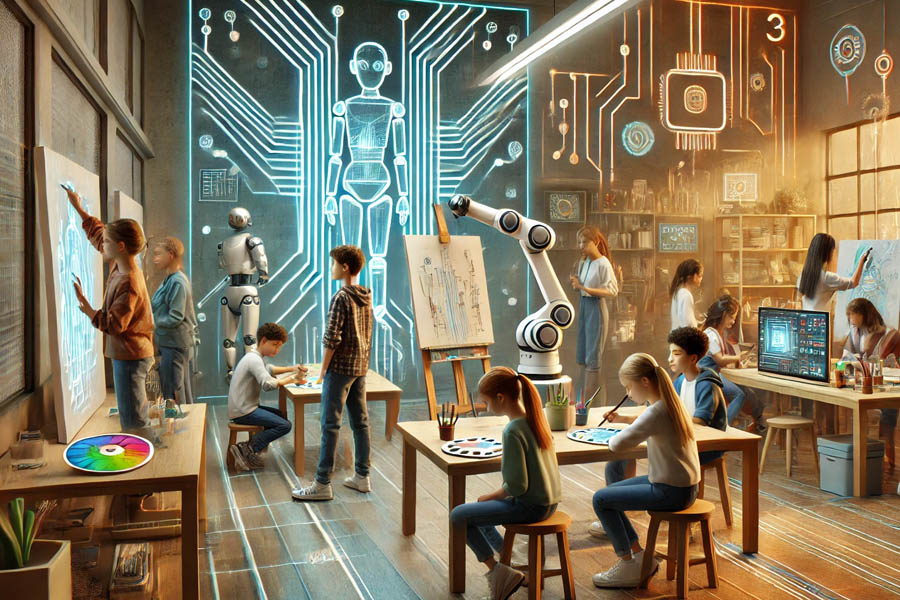
Rethinking Classroom Dynamics
Time stretches in an ordered classroom. Teachers relax, transitions happen effortlessly, and students move confidently. Learning architecture is more than walls and windows—it’s about rhythm—the dance of space, furniture, and materials that keeps learning flowing.
Classrooms are too often static storage zones instead than dynamic ecosystems. This causes air tension, unseen friction that delays every lesson. However, purposeful organization can convert friction into movement. Teachers get minutes. Students concentrate. Even behavior balances because the room’s invisible structure conveys safety and predictability.
The Ripple Effect of Order on Learning
Organization is not a luxury; it is an invisible teacher. When students walk into a tidy space, their minds mirror the clarity around them. It becomes easier to listen, easier to concentrate, easier to absorb new information. Clean lines, structured zones, and purposeful placement whisper a simple message: what we do here matters.
Each misplaced item, however, creates a ripple of distraction. Searching for resources or jumbled materials interrupts not only individual concentration but collective attention. Multiply that across five or six lessons per day and the silent cost becomes impossible to ignore. Well-organized classrooms, by contrast, act as amplifiers for efficiency. They turn ordinary routines into seamless rituals that conserve effort instead of wasting it.
Turning Systems Into Habits
Order depends less on perfect furniture and more on consistent habits. The classroom builds a shared language around where things belong and how transitions happen. Simple cues—color coding, visible labels, predictable storage patterns—become signals for independence.
Students discover that rules of order are not just teacher preferences but pathways to autonomy. When students can find resources without help, control shifts. They own their environment. Teachers become exploration facilitators not equipment gatekeepers. This transformation only occurs when the system matches student space use.
Accessibility matters most. A well-labeled tray too high for kids is as useless as an unlabeled tub of clutter. Real functionality respects human scale and rhythm. It prioritizes flow over aesthetics.
Designing a Classroom That Breathes
An effective classroom layout is not crowded; it breathes like a living organism. Space should invite movement, conversation, and focus in equal measure. The best arrangement considers sight lines, walking routes, and zones of activity. A clear path between stations reduces traffic jams. Defined corners for reading, writing, or collaboration allow energy to settle where it is most productive.
Teachers who approach classroom design as a creative process typically find delight in their work. Layout becomes pedagogy. Every shelf, tray, and surface reveals how the class learns.
The Hidden Curriculum of Visual Calm
Visual noise drains energy. Walls crammed with posters and shelves overloaded with materials may appear stimulating, but they invite fatigue and distraction. A carefully edited space—with storage systems tucked neatly away—invites minds to settle.
Clarity teaches and feels. The buzz of confusion is replaced by purposeful work. Students can navigate the room intuitively like a well-designed city through signs. They no longer need permission to participate because the environment answers “Where is this kept?”I need what next?“Where should I go?”
Reducing clutter is not about austerity. It is about creating mental space. When the room breathes, learners do too.
Implementing Storage Strategy with Precision
Selecting the right storage furniture is like choosing the right instrument for a symphony. Size, height, and mobility all determine how well the storage plays with the rhythm of the lesson.
Smaller children need open access and low trays. Older students need modular options that flex with changing unit topics and varied assignments. Rolling trays can redefine the classroom midweek, turning a reading corner into a project zone in minutes. Plastic trays remain popular because they are durable, hygienic, and easy to configure, but other materials—wood, metal, or hybrid designs—can also serve depending on tone and aesthetic goals.
Every effective system begins with categorization. Group items by frequency of use and by type. The most used materials should live in the most visible and reachable zones. Rarely used project supplies belong higher or deeper, out of the main workflow but still accessible when required.
Teacher’s station should be a command center, not a barricade. One glance should show which trays belong to which group, which tasks are done, and which resources are needed.
Building Student Ownership Through Routine
Teachers alone cannot maintain order. The system must be maintained by students to survive the novelty phase. Weekly resets work. If trays are cleaned, labels checked, and lost goods found, Friday’s last few minutes can become ritual check-ins.
Rituals promote cooperation and accountability. They remind students that learning requires care for materials, peers, and the setting that nurtures them. A modest but lasting lesson: environmental discipline breeds mental discipline.
Planning for Sustainability
Sustainability in classroom organization involves more than strong furniture. It requires a design that evolves. Each term brings new units, new students, and new patterns of use. Periodic reflection ensures that systems remain aligned with the rhythm of teaching.
Rotating trays according to curriculum focus keeps the classroom fresh while avoiding unnecessary clutter buildup. A science term may emphasize experiment trays, while a literary unit leans on reading bins and vocabulary cards. The structure adapts, but the rules stay clear. Flexibility becomes the pulse that keeps organization alive rather than rigid.
Technology and Storage Harmony
Digital integration has not erased the need for physical organization; it has simply redefined it. Laptops, tablets, and chargers require their own stations, cables managed thoughtfully to prevent chaos. Blending digital and physical resources within the same zone demands foresight. Power outlets, tray placement, and cable routing all influence whether technology supports or disrupts learning.
The classroom becomes a seamless blend of pencil and screen when hardware is stable. Modern learning settings are harmonious, supporting innovation rather than limiting it.
Beyond Function: Emotional Impact of Design
Classroom organization affects emotions. A clean, organized space shows respect. Students learn that their presence is enough to prepare the environment. This builds a sense of belonging that instruction cannot.
Teachers talk about classroom management as behavior. Much of such management begins silently through spatial signals. With everything in place, expectations are clear without conflict. Visual reminders correct verbally frequently. Students take that unspoken order as faith and rise to it.
FAQ
How can teachers introduce organizational systems without overwhelming students?
Start with small, visible changes. Label a few trays for core materials and model where each item belongs. Gradual adoption allows students to internalize the logic of the system before expanding it further.
What type of storage works best for multi-purpose classrooms?
Modular units with removable trays are ideal. They allow sections of the room to change roles quickly, reducing downtime when subjects or groups shift focus during the day.
How can teachers maintain tidiness throughout busy schedules?
Integrate micro-cleanups into routines. Before transitions or pauses, allow 60 seconds for material return. A tiny reset rhythm prevents big mess.
Are labeled trays effective for older students?
Yes, especially in subjects involving varied tools or resources. Older students appreciate efficiency; labeling helps them take initiative and manage materials independently.
How often should classroom organization be reviewed?
Conduct brief checks weekly and more thorough evaluations each term. Adjust systems as curriculum demands and group dynamics evolve to keep organization responsive rather than static.