Most septic problems do not begin at the drain field. They begin much earlier, when wastewater leaves a building carrying more solids, grease, nutrients, and organic matter than the system can handle over time. Once that load reaches the soil treatment area repeatedly, the ground loses part of its ability to absorb and finish the treatment process. That is why long-term septic performance depends less on the tank alone and more on the quality of effluent moving through the full treatment train. Conventional septic systems rely on the tank for settling and the soil for final treatment, while advanced onsite systems add treatment steps that improve wastewater quality before it reaches the dispersal area.
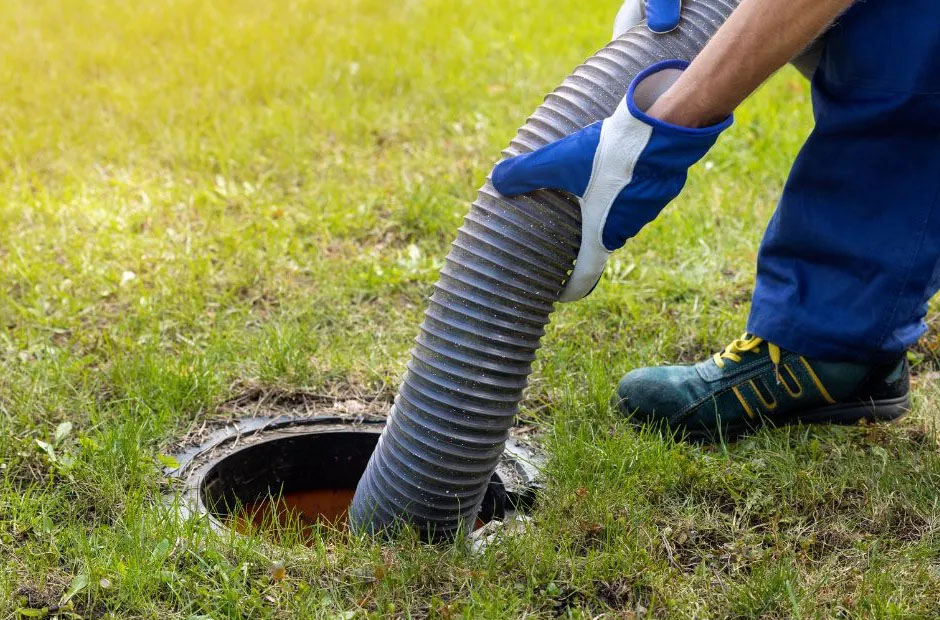
A septic tank is built to separate floatable material, settled sludge, and liquid effluent. That first stage matters, but it does not remove everything that can stress a system. Fine suspended solids can still move forward. Dissolved pollutants, including nitrogen in certain forms, also continue through the process. The U.S. Environmental Protection Agency notes that advanced and decentralized wastewater systems are used to remove pollutants such as nutrients, and that many technologies provide treatment beyond what a basic configuration can achieve.
The soil absorption area performs a large share of the final cleanup in a septic setup. For that reason, protecting the soil is one of the smartest ways to extend system life. When wastewater reaches that area with excessive suspended solids or a high organic load, the biomat can thicken too quickly, infiltration can slow, and failure risk rises. Better pretreatment reduces that burden before the wastewater enters the field. This is where the conversation shifts from simple storage and settling to treatment quality. The reference article highlights that commercial systems often employ aerobic units, media filters, disinfection stages, and constructed wetlands because larger, more complex wastewater loads require more complete treatment before discharge or reuse.
An advanced treatment septic system is designed to improve effluent before it reaches the next stage. In practice, that may mean adding oxygen to support aerobic bacteria, passing wastewater through sand or other media, or applying a disinfection step when public health protection or reuse standards require it. These processes target different problems. Aerobic treatment can improve breakdown of organic matter. Filters can remove additional solids. Disinfection can reduce pathogens in treated water. Some systems are also designed to reduce nitrogen, which is especially important in environmentally sensitive areas and where groundwater protection is a concern.
This matters because drain field failure is expensive, disruptive, and often tied to a gradual decline rather than one sudden event. When treatment improves upstream, the soil receives cleaner water and can work under better conditions. That does not make the drain field unimportant. It makes pretreatment impossible to ignore. In many cases, the healthiest soil treatment area is the one that is asked to do less of the wrong kind of work. Advanced treatment is often selected not because the tank failed, but because the site, the wastewater strength, the water table, or the environmental setting demands a cleaner effluent stream. EPA materials on advanced onsite treatment and state approval programs reflect that these technologies are widely used where standard systems are not sufficient for local conditions or treatment goals.
Another point often missed is that system stress is not only about volume. Wastewater strength matters too. Grease, food waste, cleaning chemicals, and high organic loading can change how well a system performs. That is one reason commercial properties, food service sites, and other high demand facilities often need more than a conventional setup. The reference source notes that advanced treatment can improve operational efficiency, reduce sludge accumulation, and support compliance by producing higher quality effluent. Those same principles explain why better treatment upstream can preserve performance downstream.
Maintenance still decides whether a well-designed system keeps working. Advanced treatment does not replace inspections, pumping, monitoring, or proper waste disposal. It works best when paired with those basics. EPA fact sheets and the reference article both stress regular maintenance and performance checks because treatment units, filters, and disinfection components need oversight to keep delivering the effluent quality they were built to produce. A neglected treatment unit can send poor quality water forward just as surely as an overloaded basic tank can.
The larger lesson is simple. Septic reliability is not just about what happens underground at the end of the line. It begins with how effectively wastewater is treated before it ever reaches the soil. Cleaner effluent protects the dispersal area, supports compliance, lowers environmental risk, and gives the whole system a better chance to last. Septic failure often looks like a drain field problem on the surface, but the real story usually starts much earlier in the treatment process.