It usually starts with a simple thought. The backyard gets too hot, the furniture fades quicker than expected, and sitting outside in the afternoon just stops feeling worth it. So, the idea of a patio cover comes up, and at first, it seems manageable. Then the numbers start appearing, and things stop lining up the way they were expected to.
In places like Las Vegas, outdoor spaces are used very often. Even with the heat, it is part of daily living. Shade is not really optional there; it becomes something that is worked into the home early on. Many homeowners end up planning for it sooner than they thought they would, mostly because the weather does not leave much room to delay. It just becomes one of those things that gets done.
Start with the Real Scope, Not the Ideal Version
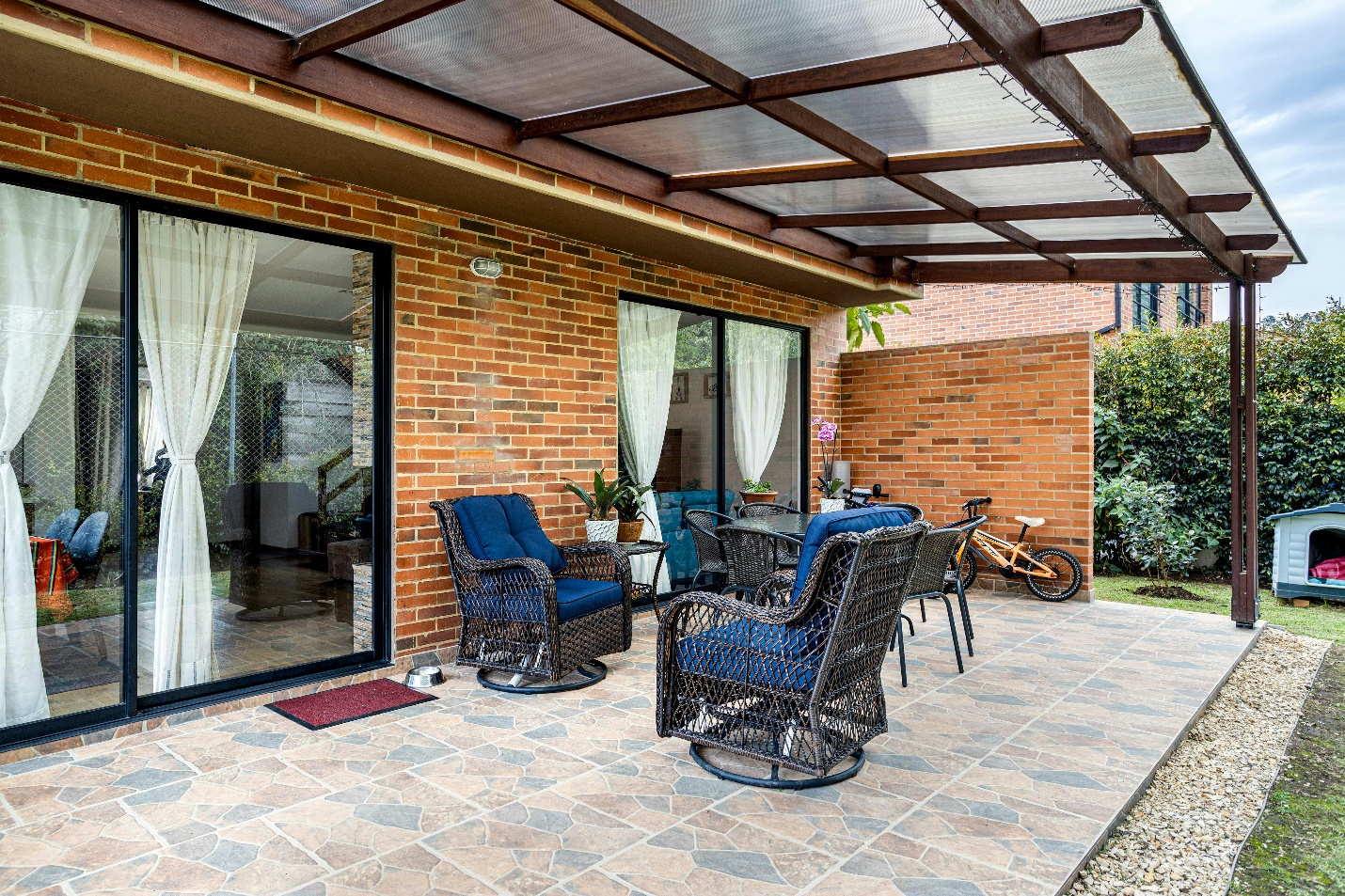
Projects like this tend to shift early. The initial idea is simple, just a structure for shade. Then it expands. Lighting gets added, maybe fans, maybe a more finished ceiling. It starts to look complete, which feels right, but it also moves further from the original need. A patio cover is meant to block the sun, but it gets buried under design choices. Once everything is included upfront, there is less room to adjust later, and that is where things begin to feel tight.
Understanding the Cost of Patio Covers
Cost planning tends to arrive late in the process. Ideas get discussed, layouts are considered, but without numbers attached, it all stays a bit loose. It feels like progress, though it does not always hold once pricing enters. If you would like to understand the cost of installing patio covers before you set your mind to it, check out the blog Patio Covers Las Vegas Cost: Average Prices and Smart Planning Tips. Looking at actual breakdowns helps more than general estimates.
The costs can fall between about $4,000 and $12,000 installed, though size, materials, and design complexity can push prices higher. Aluminum options are common since they handle heat well and require less upkeep over time. Familiarizing yourself with all the factors that can affect the cost can help you make the right choices that better align with your budget.
Materials Shape More Than Just Appearance
Material choice gets framed as a design decision most of the time, but it carries more weight than that. Aluminum, wood, and insulated panels each shift both the upfront cost and what comes later. Wood often stands out first. It looks familiar, maybe warmer. But the upkeep is easy to overlook early on. That part usually shows up later. Aluminum feels simpler, not always the first choice, yet it tends to hold up with less attention. That difference does not show up right away, but it builds. Slowly, then more noticeably.
There is also a tendency to choose based on what looks right in examples. That works to a point, though it can push the cost higher without adding much function. A simpler option, chosen with fewer assumptions, sometimes ends up making more sense. Not always obvious at the start.
Labor and Permits Add Up Quietly
Labor costs sit in the background for most of the planning phase. They are expected, but not really examined until later. Installation can vary depending on the space, existing structures, or even how easy it is to access the area. Some setups are straightforward, while others are not. Permits follow a similar path. They are required more often than not, but they are not always part of early discussions. The process can take time. Skipping it is not really an option, even if it feels like one at first.
These parts of the project do not stand out, which is why they tend to be underestimated. Once they are included, the budget shifts slightly. Not in a dramatic way, just enough to notice if attention is there.
Keep the Add-Ons in Check
Add-ons build up in a quiet way. A fan, some lighting, a decorative finish. Each one feels reasonable when considered on its own. It does not feel like much at the time. Together, they shift the project. The original purpose becomes less clear, or at least less central. It is not always obvious while it is happening. It just kind of adds on, one piece after another. Some features are worth including early, especially if they affect how the space is used day to day. Others can wait. Separating the two is not always clean, but it helps keep things from stretching too far.
Timing Changes the Outcome More Than Expected
Timing tends to sit off to the side during planning, though it affects quite a bit. Contractor schedules move throughout the year. Some periods fill up quickly, others stay open longer. It is not always predictable. Starting during a busy stretch can limit options. Fewer contractors, tighter timelines, sometimes higher pricing. Waiting can help, though it requires planning ahead, which does not always happen.
Rushed decisions often follow tight schedules. When time is short, comparisons get skipped, and small details go unchecked. That pressure builds slowly, then shows up later, usually in the cost.
Planning with Flexibility, Not Perfection
There is often an effort to finalize everything before anything begins. Every detail set, every feature decided. It sounds organized, but it can narrow the plan too quickly. A more flexible approach leaves room for adjustment. Not everything needs to be locked in at once. Some elements only make sense after the structure is in place and actually being used. This can feel incomplete at the start. Maybe even a bit unstructured. But it reduces the pressure to get everything right immediately, which is where costs tend to rise without much warning. It just gives a bit of space to adjust.
Costs rarely jump all at once. They move in smaller steps. A slightly better material, a small increase in size, and an extra feature added without much thought. Each one feels minor at the time. Over time, those decisions stack up. Keeping an eye on these changes helps. Planning a patio cover without overspending is not about cutting corners. It is more about noticing where decisions are made and how they build on each other.