Modern home development is no longer just about building structures. It is about delivering quality, staying within budget, and meeting strict timelines without cutting corners. Buyers expect smarter layouts, better materials, and energy-efficient designs. At the same time, developers face rising costs, tighter regulations, and increased competition.
To succeed in this space, precision and efficiency must guide every step. From early planning to final delivery, each decision impacts both cost and quality. Developers who adopt structured processes and reliable tools can reduce risk and improve outcomes.
This guide breaks down key strategies that help create modern homes while maintaining control and consistency.
Strengthening Cost Control with Smart Planning Tools
Costs can slip quickly if they are not tracked properly. Small gaps in planning often lead to large overruns later. That’s why cost control needs attention from the start.
A clear budget is only the beginning. What really matters is how that budget is monitored. Developers need a system that shows where money is going at every stage. Without that, it becomes hard to spot problems early.
This is where modern tools come in. They bring structure to cost planning and reporting. Instead of scattered spreadsheets, everything sits in one place. Teams can track costs in real time and compare them with progress on-site.
Developers can easily create a CVR report, which helps them see the full financial picture of a project. It shows how actual costs line up with expected values. When something starts to drift, it becomes visible quickly.
That level of clarity changes how decisions are made. Developers can adjust before issues grow. It also improves communication across teams since everyone works with the same data.
Designing with Precision from the Start
Design sets the tone for the entire project. If the early plans are unclear, problems will show up later on-site.
Detailed drawings help avoid confusion. Builders need to know exactly what to execute. When plans are precise, teams spend less time guessing and more time building.
Digital design tools make this easier. They allow teams to visualize the project before construction begins. Errors can be spotted early, which saves both time and money.
Alignment between design and budget is just as important. A design that looks good but exceeds the budget creates delays. Adjustments made later often cost more than getting it right from the start.
When design and planning stay in sync, the build phase becomes smoother. There are fewer surprises, and progress stays steady.
Selecting the Right Materials for Efficiency
Materials shape both the look and performance of a home. Choosing them carefully can prevent a lot of trouble down the line.
Cheap materials may reduce upfront costs, but they often lead to repairs. That affects both the developer’s reputation and the buyer’s experience. On the other hand, high-end materials need to fit within budget limits.
The goal is balance. Materials should be durable, cost-effective, and easy to source. Delays often happen when materials are not available on time. Planning ahead helps avoid that.
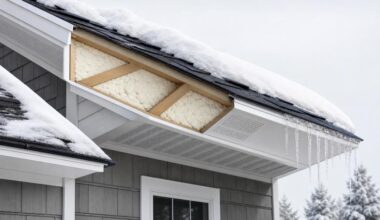
Energy-efficient materials also play a key role. Insulated walls, quality windows, and proper roofing reduce energy loss. This keeps indoor temperatures stable and lowers utility bills for homeowners.
Streamlining Project Management Processes
A project can lose momentum without a clear structure. Tasks pile up, teams get confused, and deadlines slip. Strong project management keeps everything aligned. Clear milestones help track progress. This is why each phase should have defined goals and timelines.
Communication is just as important. Teams need regular updates to stay on the same page. When information flows well, decisions happen faster and with fewer mistakes. Simple processes often work best. Complicated systems slow things down, while a clear workflow keeps tasks moving without unnecessary delays.
Realistic scheduling also plays a role. Overloading the timeline leads to rushed work and errors. On the other hand, a well-planned schedule gives teams enough time to deliver quality results.
Enhancing On-Site Efficiency
The site is where plans turn into reality. If things are not organized here, even the best designs can fall apart.
Workers need to know what comes next without waiting for instructions. When tasks are lined up properly, downtime drops.
Labor management also matters. Having the right number of workers at the right time keeps progress steady. Too many people create crowding, while too few slow everything down.
Material handling is another key area that deserves attention. Supplies should arrive when needed, not too early and not too late. Poor timing leads to clutter or delays.
Consistency in execution builds quality. When teams follow the same standards, results look uniform across the project. That gives the finished homes a more polished feel.
Ensuring Compliance and Quality Standards
Regulations are part of every construction project. Skipping steps here can lead to fines or delays, which no developer wants.
Staying compliant starts with understanding local codes. These rules cover safety, structure, and environmental factors. They need to be followed at every stage, not just at the end. Regular inspections keep things in check. Instead of waiting for final approval, ongoing checks help catch issues early.
Fixing small problems early is always easier than handling major corrections later.
Quality standards go beyond compliance. They define how the finished home should perform. Strong finishes, proper installations, and attention to detail all matter.
When compliance and quality stay aligned, projects move forward without interruptions. Buyers also gain confidence in what they are getting.
Delivering Projects with Long-Term Value in Mind
A home should hold its value well after construction ends. That is what buyers look for, and it is what builds a developer’s reputation. Durability is a big part of this. Strong materials and proper installation reduce future maintenance. Homes that stay in good condition attract more interest in the market.
Design also affects long-term value. Layouts that feel practical today should still work years later. Trends change, but functionality stays relevant. Energy efficiency adds another layer. Homes that use less energy cost less to run. That makes them more appealing to buyers and renters.
When long-term value is considered from the start, the final product stands out in a crowded market.
Building modern homes is a balance between control and adaptability. Plans need to be solid, but they also need room to adjust when conditions shift. That balance comes from clear processes, reliable tools, and a steady focus on quality.
Developers who approach projects with this mindset tend to avoid chaos. Their sites run with purpose, their teams stay aligned, and their numbers remain under control. The result is not just a completed project, but a portfolio that speaks for itself.