Energy Efficiency as a Lifestyle Choice
Improving a home’s comfort and performance is no longer limited to large-scale renovations. It starts with small, intelligent choices that blend technology, design, and strategy. Living with high energy costs or uneven temperatures has become unnecessary when so many modern solutions deliver measurable returns. Each efficient system represents a form of quiet wealth building—where comfort and savings grow together.
Homeowners make lifestyle choices when updating their environment. Like disciplined financial partners, efficient systems operate. Monthly waste is reduced and long-term value is increased. The home becomes a money-making machine. This is about moving inefficient funds into daily-paying investments, not consumption.
The Economics of Smart Living
The return on home improvements is more predictable than many realize. When an outdated HVAC unit consumes excessive energy, or poor insulation forces heat to escape through walls and windows, the wasted dollars accumulate silently. Replacing those systems transforms this loss into gain. Numbers tell the story: modern efficiency keeps money inside the home rather than sending it to the utility company.
Over time, these decisions compound. Just as interest in a savings account grows, energy-efficient upgrades multiply in value. Homeowners who track their bills over five or ten years witness how the initial cost becomes trivial compared to the accumulated savings and resale boost. The home evolves into both a comfortable space and a resilient financial instrument.
Climate Control: From Expense to Asset
The invisible air circulating throughout a home determines comfort, health, and monthly expenses. Older HVAC systems often waste thousands annually due to inefficiency. The constant noise, uneven temperatures, and unpredictable bills create frustration. Installing a high-efficiency HVAC system shifts that narrative.
The first benefit is stability. Energy use lowers, temperature differences diminish, and the home feels balanced. That consistency shows homeowners that cost reduction and comfort are linked. Intelligent HVAC design makes each degree affordable. The system becomes an investment over time due to decreased upkeep, fewer repairs, and greater property value.
Planning these heating and cooling improvements carefully ensures the system matches the specific layout of the home. Working alongside experienced technicians allows property owners to evaluate airflow, system sizing, and overall performance needs before making major equipment decisions. Anyone evaluating local options or seeking advice on system upkeep can get in touch with regional specialists to discuss tailored solutions for long-term household efficiency.
Smart Thermostats: Precision Control for Every Lifestyle
Smart thermostats are little yet powerful. They adapt automatically, recognize patterns, and fit each household’s rhythm. What starts as a cheap upgrade becomes a functional home. Within months, these devices often pay for themselves, proving intelligence pays.
These thermostats deepen the sense of control. They sense when occupants leave or return, modify settings quietly, and optimize without manual effort. That blend of automation and learning means the home becomes self-managing. Efficiency happens quietly in the background. As they connect to broader energy-saving systems, smart thermostats represent the first step toward a truly adaptive home ecosystem—comfort dictated by insight instead of habit.
Solar Investment: Freedom Written in Light
Installing solar panels is not just about energy production; it is an act of reclaiming independence. The upfront cost can intimidate, yet the long-term math is extraordinary. Each beam of sunlight converted into power whispers the same truth: self-sufficiency pays. When electricity bills shrink, the awareness of freedom grows.
Economics are real. Solar systems frequently pay for themselves and start making money after a few years of savings. They provide financial gain and peace of mind over time. Energy rate independence protects homeowners from uncertainties. Rooftops can earn money with the proper panels and inverters.
Beyond bills, solar power affects perception. Home becomes part of natural light rhythm. Every sunrise is valuable. Future buyers see sustainability and foresight in the system, which boosts property appeal. This autonomy vision turns energy into an asset.
Furniture and Design That Outlast Trends
A home’s character is shaped not just by systems but by surfaces and materials. Furniture, especially when crafted with quality, serves as both art and investment. Cheap pieces fade and splinter; premium designs mature gracefully. The older they get, the more they define the space.
Quality furniture anchors the experience of comfort. It increases a property’s visual and emotional value. A well-built desk, chair, or table becomes more than functional—it expresses permanence. Buyers sense this longevity and link it subconsciously with quality construction throughout the home. The economics of durability reveal themselves slowly but faithfully: fewer replacements, reduced waste, and lasting appeal.
Insulation: The Silent Protector
Wall insulation works softly. Its effects are subtle but strong. It affects house weather and systems. It’s noticeable immediately when improved. Heat waves chill the dwelling while cold months warm it.
Every upgrade benefits from good insulation. HVAC works effectively, requiring less effort to regulate temperatures. Bills fall again. When combined with other energy-saving measures, the benefits grow. Every comfort-related investment relies on this unseen relationship.
Smart Windows: Light Without Loss
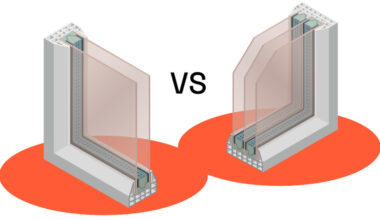
Windows separate the controlled interior from the unpredictable exterior. Old windows leak comfort; new ones protect it. Replacing them is costly, but over years, the savings accumulate. Each new window reduces the constant exchange of unwanted heat or cold.
Reward starts immediately. Drafts disappear, stillness rises, and internal climate stabilizes. Energy-efficient windows eventually become equal participants in the home’s energy-saving system. They reduce waste and improve aesthetics. Inefficiency remains outside while natural light enters.
FAQ
Which improvement offers the fastest financial return?
Start with a smart thermostat. It combines low upfront cost with immediate measurable savings. Once installed, it begins returning investment almost instantly.
Can improvements be made one at a time?
Yes. Gradual implementation works best. Start with inexpensive, rapid upgrades, then go on to HVAC systems, solar panels, and insulation enhancements. Each step builds on the preceding efficiency.
How do these upgrades affect home value?
Energy-efficient homes frequently sell for more. Buyers seeking long-term savings prefer systems with lower running expenses. Solar, modern HVAC, and improved windows all increase market value.
What role does furniture play in overall property worth?
Quality furniture influences perception beyond style. Buyers often equate visible craftsmanship with general home care. Durable pieces suggest lasting quality, creating a subtle association that can enhance final selling price.
Is solar power still a viable investment for homes that might be sold soon?
Yes. Solar installations generally increase resale value significantly. While full long-term savings favor homeowners who stay longer, the upgraded energy profile alone attracts buyers willing to pay more for the assurance of lower energy expenses in the future.
How does insulation complement other improvements?
Insulation acts as a multiplier. When paired with new HVAC systems or smart windows, it amplifies results. Reduced thermal loss means every piece of technology operates more efficiently, extending system lifespan and deepening monthly savings.
What is the difference between comfort investment and luxury spending?
Comfort investment changes how a home performs, not merely how it appears. Each efficient upgrade has measurable outcomes—lower bills, steady temperatures, and improved quality of life. Luxury spending decorates; comfort investment pays back.
Why does smart technology matter for modern homeowners?
Smart systems train homes to adapt. They use habit data to automatically improve performance. This intelligence turns comfort into conservation, making every room and dollar deliberate.