An air conditioning failure during a Florida summer isn’t just uncomfortable—it can be dangerous. When temperatures soar into the 90s and humidity makes it feel even hotter, a broken AC unit transforms your home into an oven within hours. Knowing how to respond quickly and effectively can mean the difference between a minor inconvenience and a costly emergency.
Understanding what constitutes a true AC emergency is the first step. Not every malfunction requires immediate professional intervention, but certain warning signs demand urgent attention. Unusual burning smells, complete system failure during extreme heat, or water pooling around your unit all signal problems that shouldn’t wait until Monday morning.
Immediate Steps When Your AC Fails
Before calling for help, take a moment to assess the situation systematically. Start with your thermostat—verify it’s set to “cool” and the temperature is lower than the current room temperature. This simple check resolves more service calls than most homeowners realize.
Next, inspect your circuit breaker panel. AC units draw significant power, and a tripped breaker is among the most common causes of sudden failure. If you find a tripped breaker, reset it once. If it trips again immediately, stop—this indicates a serious electrical issue that requires professional diagnosis.
Check your air filter while you’re troubleshooting. A severely clogged filter restricts airflow so dramatically that it can cause the system to shut down as a protective measure. According to the U.S. Department of Energy, dirty filters are responsible for a significant percentage of HVAC inefficiency and failures.
When to Call for Professional Help
Some situations call for immediate professional intervention. If basic troubleshooting hasn’t resolved the issue, it’s best to contact specialists in emergency repairs. In the Tampa Bay area, companies like Three Guys Master Tradesmen provide 24/7 service tailored to urgent needs. Comparable providers such as One Hour Heating & Air Conditioning and Service Experts Heating & Air Conditioning also offer round-the-clock support for critical HVAC and repair situations.
Certain symptoms should never be ignored:
- Burning odors or smoke: Shut off the system immediately and call for emergency service
- Frozen coils: Ice buildup indicates refrigerant issues or airflow problems requiring professional diagnosis
- Strange mechanical noises: Grinding, squealing, or banging sounds often precede complete system failure
- Water leaks: Condensate line blockages can cause water damage if not addressed quickly
- Complete power failure: If the unit won’t turn on at all after checking breakers, electrical components may have failed
Staying Comfortable While Waiting for Repairs
Even with emergency service, you may face several hours without air conditioning. Create a cooling strategy to protect vulnerable family members and pets. Close blinds and curtains on sun-facing windows to block radiant heat. If you have ceiling fans, set them to rotate counterclockwise to push air downward.
Avoid using heat-generating appliances like ovens, dishwashers, or clothes dryers until your AC is restored. These devices add significant thermal load to your home. Consider relocating to the coolest room in your house—typically the lowest level away from direct sunlight.
For households with elderly residents, young children, or individuals with health conditions, don’t hesitate to seek alternative cooling locations if temperatures become dangerous. Public libraries, shopping centers, and community cooling centers provide safe refuge during extreme heat events, as recommended by the Centers for Disease Control.
Preventing Future Emergency Situations
Most AC emergencies are preventable through consistent maintenance. The ENERGY STAR program recommends professional servicing at least annually, ideally before cooling season begins. During these visits, technicians clean coils, check refrigerant levels, test electrical connections, and identify worn components before they fail.
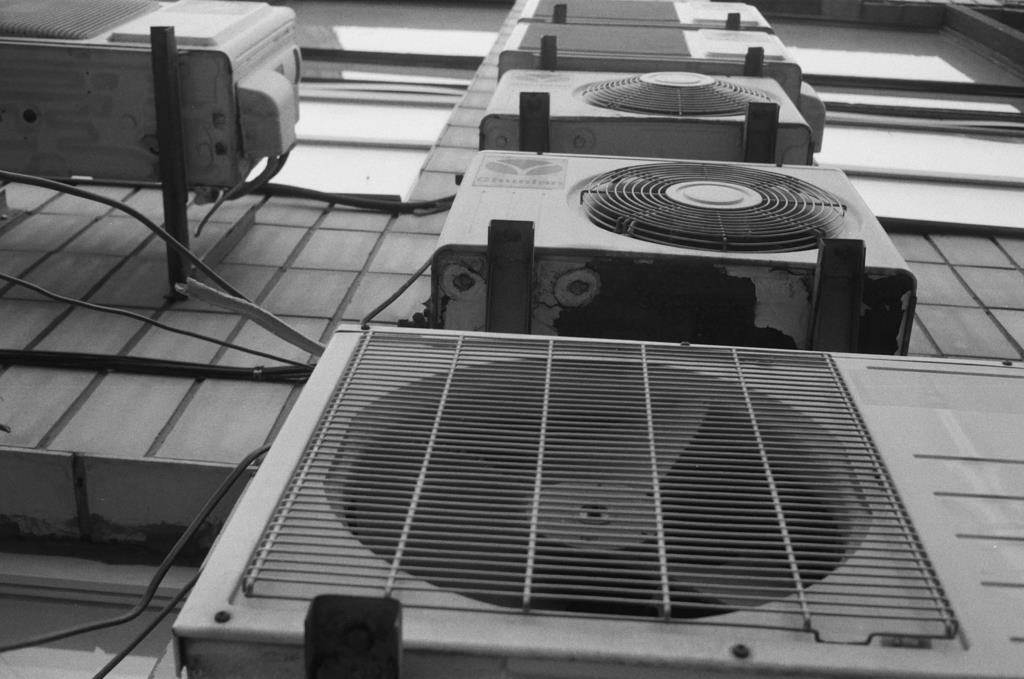
Between professional visits, homeowners should replace or clean filters monthly during heavy-use periods. Inspect the outdoor unit regularly, removing leaves, grass clippings, and debris that restrict airflow. Maintain at least two feet of clearance around the condenser unit.
Pay attention to subtle performance changes. Gradually increasing energy bills, longer run times to reach set temperatures, or rooms that don’t cool evenly all indicate developing problems. Addressing these issues proactively prevents the inconvenience and expense of emergency breakdowns.
Understanding Repair Versus Replacement
During an emergency, technicians may discover that your system has reached the end of its useful life. Air conditioners typically last 12-15 years in Florida’s demanding climate. If your unit is approaching this age and requires expensive repairs, replacement often makes better financial sense.
Consider the “50% rule” that many HVAC professionals use: if repair costs exceed half the price of a new system, and your unit is past its midpoint lifespan, replacement usually offers better value. Modern systems operate far more efficiently than models from even a decade ago, potentially offsetting replacement costs through lower energy bills.
Emergency situations aren’t ideal times for making major purchasing decisions, but sometimes they’re unavoidable. A trustworthy technician will provide honest guidance about whether repair or replacement serves your best interests, not simply push the most profitable option.
Preparing for AC emergencies before they happen—through regular maintenance, relationship-building with reliable service providers, and understanding your system’s condition—transforms a potential crisis into a manageable inconvenience. In Florida’s climate, your air conditioner isn’t a luxury; it’s essential infrastructure that deserves the same attention you give your roof or plumbing.