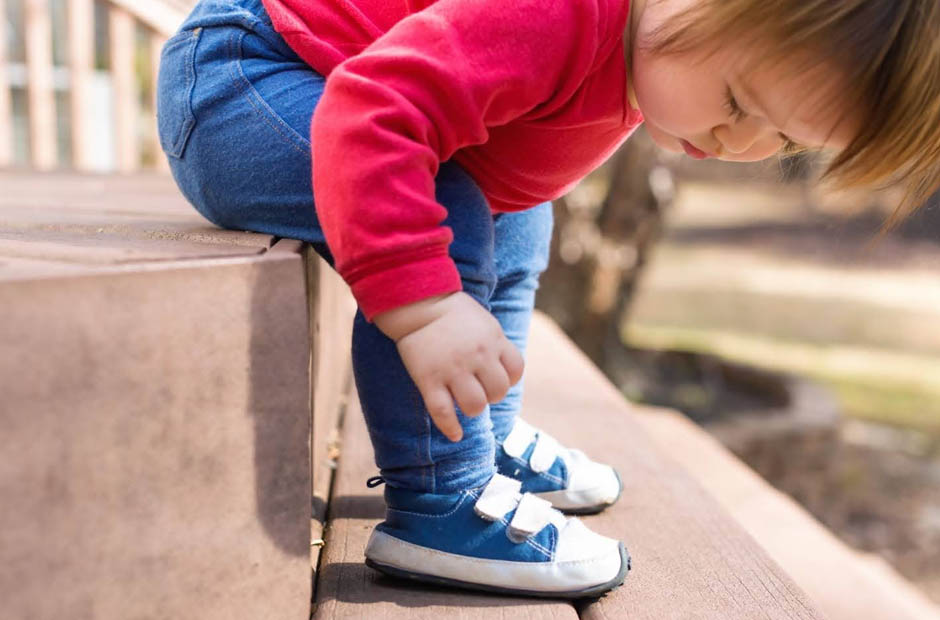
A poorly fitting shoe can turn a happy preschooler into a frustrated, uncomfortable child within minutes. Parents face the challenge of finding the right size without the benefit of in-store try-ons. The correct fit affects everything from balance to long-term foot health for growing boys. This guide provides eight practical tips for nailing the perfect shoe fit every single time.
Measure Feet Before Every Purchase
Preschool boys experience rapid growth spurts that can change their shoe size within weeks. A proper measurement using a Brannock device provides accurate length numbers. For instance, parents buying kids new balance sneakers should always measure before adding anything to their cart.
The best time for measuring feet falls during late afternoon hours. A child’s feet swell naturally throughout the day from walking and playing actively. Standing with full weight on their feet gives the most accurate reading possible. Correct measurements form the foundation of any well-fitted shoe purchase for young boys.
Keep a Thumb’s Gap Front
A snug fit might feel secure, but growing feet need extra room at the front of shoes. One thumb’s width of space between the longest toe and the shoe end works perfectly. This gap accommodates natural growth without making the shoe feel loose or unsafe. Kids new balance lifestyle shoes, for instance, follow this same sizing rule for their preschool collections.
Parents should press the front of the shoe to feel where the toes actually sit. Too little space causes cramped toes and painful blisters during active play. Too much space leads to tripping and poor stability on the playground. Proper space allows several months of wear before the next size becomes necessary.
Check Heel Fit and Security
A loose heel lifts up during walking and causes friction that leads to painful blisters. The heel should feel snug inside the shoe without any slipping during movement. Parents can test this by pulling gently upward on the back of the shoe. School shoes like Kids New Balance 740 feature secure heel counters that grip young feet properly in place.
A finger should not slide easily between the heel and the shoe material. Too tight causes discomfort, while too loose creates instability for little walkers. The heel area needs firm padding that holds the foot securely inside. Proper heel fit prevents blisters and keeps young boys moving comfortably all day long.
Examine Width for Comfort
Narrow shoes squeeze little feet and cause numbness, while wide ones allow dangerous slipping inside. Preschool boys have chubby feet that need extra room across the widest part. Parents should look for shoes available in multiple width options when possible. Models like Kids New Balance 9060 offer various width choices for different foot shapes and sizes.
The sides of the foot should feel gently hugged without any pinching or pressure points. A child should be able to wiggle toes freely inside the front of the shoe. Red marks on the skin after removal indicate a width that is too narrow. Proper width prevents discomfort and allows natural foot expansion during active play.
Test Flexibility at the Ball
A stiff sole forces the foot to work harder and can interfere with natural walking patterns. The shoe should bend easily right where the toes naturally flex during each forward step. Parents can perform a simple bend test using their hands on the shoe. Shoes like Kids New Balance 1000 showcase this proper flexibility for active preschool boys every day.
A flexible forefoot allows the foot to roll naturally from heel to toe. Too much stiffness in this area can cause tripping and awkward gait patterns. The shoe should also twist slightly, but not fold completely in half easily. Proper flexibility supports natural movement and reduces fatigue during long active days.
Assess Depth for High Insteps
Some preschool boys have high insteps that need extra vertical space inside the shoe. Shallow shoes press down on the top of the foot and cause painful pressure points. Parents should look for styles with deep toe boxes and roomy upper construction. Modern shoes like Kids New Balance 530 provide this necessary depth for children with taller feet.
A finger should fit comfortably under the tongue or strap area of the shoe. Too shallow causes rubbing and discomfort on the top of the little feet. The child should not feel any pinching across the highest part of the foot. Proper depth accommodates different foot shapes without causing pain during daily wear.
Bring Socks for Try-Ons
The thickness of socks affects how a shoe fits, so parents must bring the right pair. Every day, cotton socks take up more space than thin dress socks inside footwear. Parents should use the exact sock type their child will wear with those shoes. Parents recommend models like Kids New Balance 1906 for their consistent fit across different sock thicknesses.
A shoe that fits with thin socks may feel painfully tight with thicker ones. Parents can perform the fit check again after switching to the correct sock type. Keeping a pair of sample socks in the car helps during unexpected shopping trips. Proper sock choice ensures the fit remains comfortable during real daily use at home.
Watch for Red Marks After Wear
Red bumps or deep lines on a child’s foot after shoe removal signal a poor fit. Parents should check the entire foot, paying special attention to toes and heel areas. Any redness lasting more than a few minutes indicates pressure points inside the shoe. The design of shoes like Kids’ New Balance 574 provides a fit that rarely leaves unwanted marks on little feet.
Blisters, calluses, or dark spots developing over time suggest ongoing foot problems. A child who complains about shoes that previously felt fine may have outgrown them. Parents should perform this check weekly during rapid growth periods for young boys. Proper fit leaves no marks and keeps little feet happy from morning until bedtime.
A solid fitting strategy helps parents buy good quality shoes like kids’ New Balance sneakers without the usual guesswork. Correct length, proper width, and secure heel fit all contribute to all-day comfort for young boys. Flexibility at the ball and adequate depth for high insteps matter just as much as size. A smart parent knows that checking red marks and bringing the right socks leads to consistently good shoe fits.