Most facility problems don’t start as big issues. They begin as small inefficiencies that go unnoticed. Over time, these small gaps turn into real costs. Operations slow down, maintenance bills increase, and teams struggle to keep up with demand. Many business owners focus heavily on revenue and overlook how much their physical space affects performance. A poorly planned facility doesn’t just create inconvenience; it directly impacts productivity and expenses. Understanding where these problems come from helps you fix them early and avoid spending more than necessary later.
Inefficient layouts that slow everything down
A poorly planned layout makes even simple tasks take longer than they should. When teams have to move around obstacles, travel longer distances, or wait for access to shared spaces, productivity drops without anyone noticing right away. Over time, these delays become part of daily operations, which makes them harder to identify. For example, a loading area placed too far from storage can slow down every shipment. Employees adjust to the inefficiency, but the business pays the price in lost time. Good layout planning focuses on flow. It ensures that people, equipment, and materials move in a logical way. Small changes in positioning can lead to faster operations and smoother coordination across teams.
Energy loss hiding in plain sight
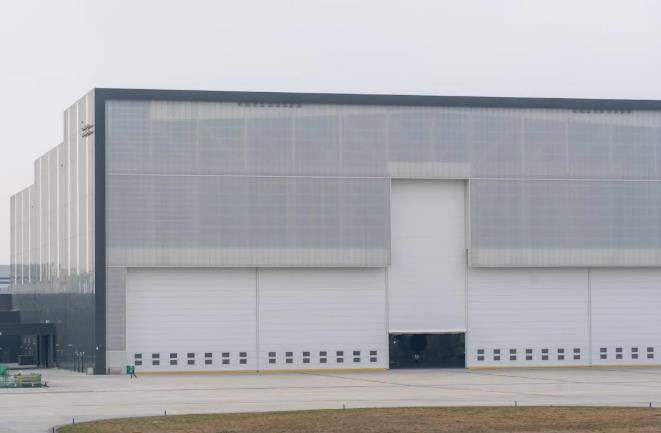
Energy waste often goes unnoticed because it builds slowly over time. Poor insulation, gaps in entry points, and outdated systems can cause heating and cooling loss throughout the day. In large facilities, even small inefficiencies can lead to steady increases in energy bills. Entry points are a common issue, especially in spaces with frequent movement. Garage doors that open and close slowly or don’t seal properly allow air to escape, forcing systems to work harder. Many businesses reviewing their energy use also explore affordable commercial garage door prices when upgrading these areas. Making the right improvements reduces waste and creates a more stable environment for both employees and equipment.
Maintenance problems caused by poor decisions
Facility planning plays a big role in how often things break down. When equipment is placed in high-traffic areas without proper protection, it wears out faster. When materials are chosen without considering usage, repairs become more frequent. These problems often come from early decisions that seemed convenient at the time. For example, installing cheaper components in critical areas may reduce upfront cost but increase long-term maintenance. Teams then spend more time fixing issues instead of focusing on work that drives the business forward. Planning with durability in mind reduces these risks. It helps you choose systems that match your workload and environment, which lowers repair frequency and keeps operations running without constant interruptions.
Safety gaps that increase business risk
Poor facility planning often creates safety issues that are easy to overlook at first. Narrow walkways, unclear traffic paths, and poorly placed equipment increase the chances of accidents. These risks affect both employees and visitors, and they can lead to serious consequences over time. When a workspace feels crowded or disorganized, people are more likely to make mistakes or miss hazards. Fixing safety problems after an incident costs far more than preventing them early. Thoughtful planning helps create clear paths, proper spacing, and better visibility across the facility. When safety is built into the layout, teams can move confidently and focus on their work without unnecessary risks slowing them down.
Work environments that quietly hurt productivity
People adjust to inefficient spaces faster than you might expect. They take longer routes, wait for equipment, and deal with small daily frustrations without raising concerns. Over time, these slowdowns reduce output. Poor lighting, uneven temperatures, and noise from nearby operations also affect focus. In warehouses and commercial spaces, even the placement of doors and loading zones can impact how quickly teams move. When workers spend extra time navigating the space instead of completing tasks, productivity drops in a way that is hard to measure directly. A well-planned facility supports how people actually work. Clear pathways, comfortable conditions, and logical placement of tools help teams stay focused and maintain steady performance throughout the day.
Equipment choices that don’t match real needs
Many facility issues come from selecting equipment without fully understanding daily operations. A system may look suitable on paper but fail under real workload conditions. For example, slow-opening doors in high-traffic areas create delays, while equipment that requires frequent manual handling increases labor time. These mismatches often lead to workarounds, which reduce efficiency and increase wear on systems. Businesses sometimes choose based on upfront cost instead of long-term fit, which creates ongoing challenges. Taking time to evaluate how equipment will be used makes a clear difference. When systems match actual usage patterns, operations run more smoothly, downtime decreases, and employees can complete tasks without unnecessary interruptions or adjustments.
Poor facility planning creates problems that build over time and affect multiple parts of a business. What starts as a small inefficiency can turn into higher costs, slower operations, and ongoing frustration for employees. Many of these issues come from decisions made early, often without fully understanding how the space will be used. Taking a more thoughtful approach helps avoid these challenges. When businesses plan layouts carefully, choose the right systems, and think ahead about growth, they create a space that supports daily work instead of slowing it down. A well-planned facility makes operations easier to manage, reduces unnecessary costs, and helps the business run with fewer disruptions.