Home oxygen therapy sounds complicated. It really isn’t.
After you understand how each piece of equipment works, the entire configuration makes sense. And this is the amazing part… Millions of people depend on this equipment to breathe easier and live longer.
With a basic understanding of home oxygen equipment you can:
- Know what each part does
- Troubleshoot small issues
- Use your equipment safely
Here’s how it works…
What’s covered in this guide:
- Why Home Oxygen Therapy Is a Big Deal
- The Core Equipment Explained
- Pressure Regulators: The Unsung Hero
- Safety Tips Every User Should Know
Why Home Oxygen Therapy Is a Big Deal
Home oxygen isn’t niche. Not even close.
Over 1.5 million adults in the U.S. rely on supplemental oxygen for respiratory disorders to help them live longer and have a better quality of life. That’s a lot of homes with oxygen equipment running 24/7.
And demand keeps growing.
Why? Because chronic lung diseases such as COPD are among the leading causes of death. In 2023, COPD was the fifth leading cause of death, causing 141,733 deaths. Supplemental oxygen when breathing becomes difficult helps prevent hospitalizations.
The problem is: Equipment is delivered, the person is given a “quickie” orientation, and then they’re on their own.
No wonder oxygen users report:
- Equipment malfunctions they can’t fix
- Running out of portable oxygen mid-trip
- Confusion over flow settings
Knowing how the equipment works changes all of that.
The Core Equipment Explained
Home oxygen systems vary from home to home, but they all contain the same basic components. Let’s discuss each in turn.
Oxygen Concentrators
This is the workhorse of most modern home oxygen setups.
A wall-powered oxygen concentrator just removes oxygen from the air that you are breathing. The concentrator eliminates nitrogen and other gases. It then supplies oxygen through a nasal cannula or a mask.
Here’s why they’re popular:
- No tanks to refill
- No deliveries to schedule
- Runs 24/7 on power
There are two main types:
- Stationary concentrators: Big concentrators that you place in your living room. These work well if you are using the device overnight or will be home for long periods of time.
- Portable concentrators (POCs): Battery powered and lightweight. This one goes to the grocery store with you.
Oxygen Cylinders (Tanks)
Oxygen tanks are not a new invention and they remain a common piece of equipment. They store oxygen under high pressure and deliver it on demand.
The best thing about tanks? They don’t need electricity.
Which is why they’re great for backup during a power outage. Each oxygen user should have at least one tank as emergency backup. When purchasing replacement valves and cylinder components, many medical suppliers work with a top cylinder valve supplier to ensure each pressure regulator, valve, and connection meets strict medical-grade standards for safety and consistent flow.
Liquid Oxygen Systems
Liquid oxygen is oxygen in cryogenic liquid form in a special container. When vented it becomes a gas. More efficient and compact… But far less common now due to expense.
Delivery Devices
This is how the oxygen gets from the machine to your lungs:
- Nasal cannula: A thin tube with two prongs that sit in your nose. The most common.
- Oxygen mask: Covers nose and mouth. Used for higher flow needs.
- Transtracheal catheter: A small tube inserted into the windpipe. Used in specific cases.
Pressure Regulators: The Unsung Hero
Here’s where things get interesting…
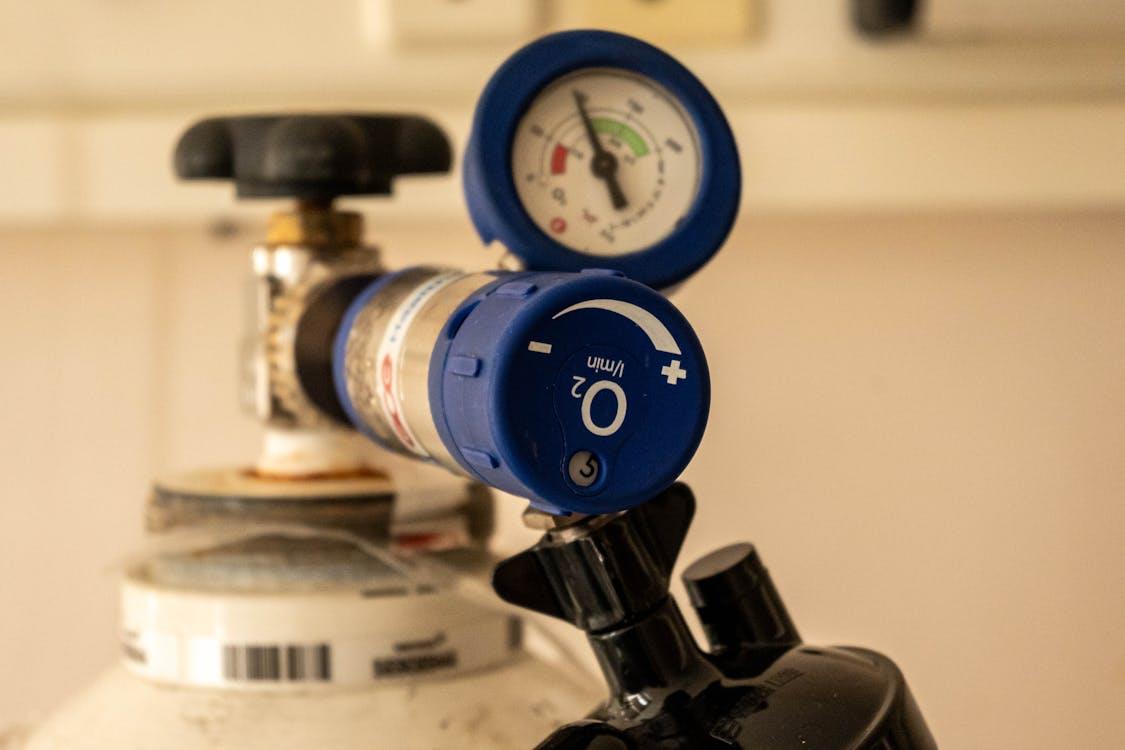
Oxygen cylinders are filled to an extremely high pressure. We’re talking 2,000+ PSI in a full tank. You can obviously not breathe gas at that pressure without injury. This is where pressure regulators come in.
A pressure regulator does two things:
- Reduces the pressure to a safe level for breathing
- Controls the flow rate (measured in liters per minute)
A tank without a regulator is useless for therapy. And a malfunctioning regulator is a safety risk. That’s why medical-grade pressure regulators are made to tight specifications and must be in working order at all times.
How to Use a Pressure Regulator Safely
Using a pressure regulator isn’t hard once you know the steps:
- Set the flow knob to zero before attaching
- Screw the regulator onto the tank firmly (but don’t force it)
- Slowly open the tank valve
- Check the pressure gauge to confirm the tank has oxygen
- Set the flow rate to what your doctor prescribed
- Connect your cannula or mask
Simple. Once you do it a few times it becomes second nature.
Signs Your Pressure Regulator Needs Attention
Regulators are reliable but not invincible. Watch out for:
- Hissing sounds from the regulator itself
- Flow meter ball that doesn’t respond
- Pressure gauge readings that don’t match usage
- Any visible damage to the fittings
If any of these occur, turn off the unit and call your equipment supplier immediately.
Safety Tips Every User Should Know
Oxygen will not burn by itself… It makes everything else burn quicker. Safety is important.
Follow these rules and you’ll be fine:
- No smoking anywhere near your equipment. This includes vaping and candles.
- Store oxygen at least 6 feet from sources of ignition such as stoves and gas space heaters.
- Keep tanks upright and secured so they can’t fall over. A falling tank becomes a missile if the valve shears off.
- Avoid petroleum-based products like vaseline on your face. They can react with oxygen.
- Keep a backup power plan for concentrators in case of outages.
- Check equipment regularly for wear, especially hoses and connections.
Cleaning and Maintenance
Keeping your equipment clean reduces infection risk and extends its life:
- Wash your nasal cannula with warm soapy water weekly
- Replace the cannula every 2 to 4 weeks
- Wipe the concentrator with a damp cloth (never spray directly on it)
- Change concentrator filters as per the manual
- Never lubricate valves or fittings with petroleum-based oils
Little tidbit: 70% of oxygen users have no more than 4 hours worth of portable oxygen, but 81% desire more than five. If you are one of them, speak to your supplier about larger portables or backup tanks.
The Takeaway
Home oxygen therapy is not a magic black box. It is a system of concentrators, tanks, regulators, and delivery devices all working together to deliver oxygen to a person in need of additional oxygen to breathe easier. After you learn:
- What each piece does
- How pressure regulators keep things safe
- What signs mean something is wrong
- Which safety rules to follow
…you’re more advanced than most users. Oxygen equipment is very reliable when properly maintained. The more you know about it, the more confident you’ll be using it. And that confidence makes a frightening device just another part of your daily life.