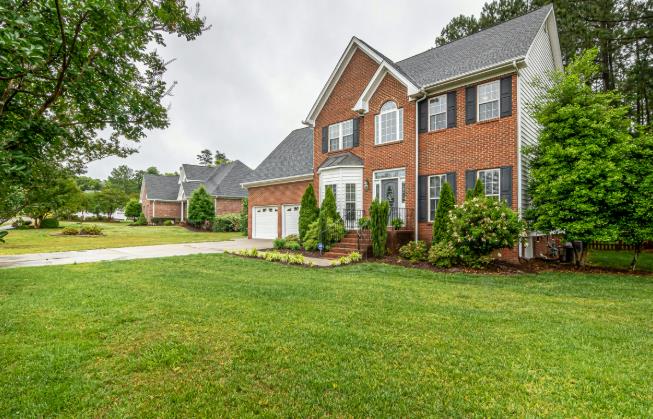
In Raleigh, properties still sell, but buyers are asking more questions and taking their time before making offers. Many sellers invest in upgrades expecting a higher price, only to realize those changes didn’t move the needle.
The local market now favors homes that feel practical, efficient, and easy to maintain. That means some upgrades pay off, while others quietly drain your budget. If you’re planning improvements in 2026, it helps to focus on changes that genuinely increase the value of your home rather than upgrades that simply look appealing.
What Works
Kitchens That Work Better Every Day
A kitchen upgrade still adds value, but buyers pay closer attention to how the space functions. They notice whether cabinets open easily, if there’s enough counter space, and how well the layout supports daily use. A cramped or awkward setup stands out more than outdated finishes. Simple changes like adding deep drawers, improving lighting, or opening up a tight walkway can make a strong impression. Durable materials also matter. Buyers prefer surfaces that hold up over time without constant upkeep. Overspending on luxury appliances rarely pays back fully. A clean, practical kitchen that feels easy to use will attract more interest than one designed only to look impressive.
Energy Efficiency That Buyers Notice Immediately
Utility costs are part of every buyer’s decision now, especially in areas where summers can drive energy use up. People ask about insulation, windows, and system efficiency during showings. A home that feels comfortable without running constantly leaves a better impression. Sealing air leaks, upgrading insulation, and installing efficient systems can quietly increase value because buyers expect lower monthly expenses. Many homeowners also look into high-efficiency HVAC options, such as Lennox systems, which are known for quiet operation, long-term reliability, and strong energy performance. Work with an authorized Lennox HVAC dealer Raleigh residents rely on to see better system performance and smoother operation. These upgrades don’t always stand out visually, but buyers recognize them once they experience the home.
Bathrooms That Feel Clean and Easy to Maintain
Buyers want bathrooms that feel fresh and simple to manage. They pay attention to lighting, water pressure, and how easy the surfaces are to clean. A well-lit bathroom with a clean layout creates a stronger impression than one filled with high-end features that require extra care. Walk-in showers with simple glass panels are popular because they feel open and practical. Storage also plays a role. Homes with enough space for daily items tend to stand out. Overly styled bathrooms with bold tile or unusual fixtures can limit appeal. A straightforward design that feels comfortable and functional will connect with more buyers and support your home’s value.
Outdoor Spaces That People Will Actually Use
The local climate gives outdoor areas real value, but only when they feel usable. Buyers look for spaces where they can sit, cook, or relax without needing major changes. A well-built deck, a simple patio, or a shaded corner can make the home feel more complete. Overly decorative landscaping often gets overlooked if it requires too much work. People prefer low-maintenance yards that still look cared for. Lighting also matters. A space that works in the evening feels more inviting. The goal is to create an area that feels ready to use right away. Practical outdoor improvements tend to hold value better than features that look good but don’t serve a clear purpose.
Simple Updates That Make Homes Feel Move-In Ready
Buyers often decide how they feel about a home within minutes. Clean walls and consistent flooring shape that first impression. Fresh paint in neutral tones helps rooms feel brighter and easier to picture as their own. Worn carpets or mismatched flooring can raise concerns about hidden issues. Replacing them with durable, easy-to-clean materials makes the home feel cared for. Consistency matters more than high-end choices. A home with the same flooring style throughout feels more put together. Small details like updated baseboards or clean trim also help. These updates don’t cost as much as full renovations, but they remove hesitation and help buyers feel comfortable moving forward.
Smart Features That Add Everyday Convenience
Buyers expect some level of smart technology, but they focus on features that feel useful right away. A smart thermostat that’s easy to control, a basic security system, and simple lighting controls make daily life easier. These upgrades don’t need to be complicated. Systems that require apps, subscriptions, or constant setup can feel like a burden instead of a benefit. Buyers prefer tools that work without much effort. Clear instructions and reliable performance matter more than having the latest device. When smart features feel simple and practical, they add value by improving daily comfort. When they feel confusing, buyers often ignore them or plan to replace them.
What Doesn’t Add Much Value
High-End Upgrades That Rarely Pay Back
Luxury upgrades can look impressive, but they don’t always match what buyers are willing to pay. In many local neighborhoods, home prices stay within a certain range, and expensive additions can push a property beyond what buyers expect. Custom kitchens, premium materials, or specialty features may cost more than they return. Buyers compare homes based on overall value, not just one standout feature. If similar homes don’t include those upgrades, it becomes harder to justify a higher price. Sellers often recover more value by keeping upgrades practical and aligned with the area. Spending wisely within the neighborhood standard tends to produce better results than aiming too far above it.
Design Choices That Limit Buyer Interest
Personal style can shape a home, but strong design choices can narrow your audience when it’s time to sell. Bold colors, unusual layouts, or highly specific finishes make it harder for buyers to picture themselves living there. Many people prefer a space that they can easily adjust to their own taste. Neutral tones, simple finishes, and clean lines help create that flexibility. Even small choices like unique tile patterns or statement walls can turn some buyers away. Sellers don’t need to remove all personality, but keeping the overall look balanced helps. A home that feels easy to adapt will attract more interest and reduce the need for price adjustments.
Home value in 2026 comes down to clear, practical decisions. Buyers look for homes that feel easy to live in from day one. They pay attention to function, comfort, and long-term costs. Upgrades that improve daily use tend to deliver better results than changes focused only on appearance. At the same time, overlooked maintenance or overly personal design choices can hold a home back. Sellers who focus on usability, efficiency, and overall condition usually see stronger interest and smoother sales. The goal isn’t to do everything—it’s to invest in the changes that buyers actually care about when they walk through the door.