When people describe a room they love, they often talk about wall color, furniture, lighting, or decor. What tends to go unnoticed is the surface holding everything together. Flooring shapes how a space feels before anyone studies the details. It affects brightness, sound, movement, maintenance, and even how clean a room appears on an ordinary day.
A floor is one of the largest visible surfaces in any interior. Because of that, it quietly controls the visual rhythm of a room. Smooth, reflective finishes can make compact areas feel more open. Textured surfaces can make large spaces feel grounded. Dark tones can create depth, while lighter tones can help a room feel calmer and easier to read.
This is why flooring decisions often have a bigger impact than homeowners expect. A room with average furniture and a well-matched floor usually feels more complete than a room with expensive decor sitting on a surface that feels disconnected from the rest of the design.
The First Impression Starts Below Eye Level
People do not usually enter a room and say, “The floor is why this feels right.” Still, flooring often drives that reaction. The eye takes in the whole scene at once, and the floor acts as a visual base for everything above it. If that base feels too busy, too dull, too cold, or too inconsistent, the room can feel unsettled.
This effect is especially noticeable in open layouts. Kitchens, living areas, hallways, and home offices often connect without clear breaks. In those spaces, flooring creates continuity. It helps separate clutter from cohesion. It also influences whether the home feels intentionally designed or pieced together over time.
The practical side matters, too. A floor that is easy to clean and resists daily wear supports the overall feel of order. People tend to associate a room’s comfort with how easy it is to maintain. A surface that shows every mark, traps dirt, or looks tired too quickly can make the entire space feel harder to manage.
Surface Finish Changes the Entire Atmosphere
Color gets most of the attention but finish often does more work than color alone. Matte surfaces tend to soften the room. Glossy finishes reflect light and bring more visual energy.
Satin finishes sitting in the middle, giving some brightness without drawing too much attention to every footprint or speck of dust.
This is one reason floor finish plays such a major role in everyday interiors like garages, basements, mudrooms, and utility areas. These rooms are no longer treated as purely functional. More homeowners want them to feel integrated with the rest of the home instead of looking like unfinished leftovers.
That shift has pushed more attention toward floor systems that create a cleaner, more refined appearance while still handling heavy use. In spaces where durability and design need to coexist, products such as Stone Coat epoxy flooring are often part of the wider conversation around surface planning, moisture control, and maintenance expectations.
A Better Floor Can Improve Daily Routines
Good flooring is not just a style decision. It can improve how a household moves through the day. In entryways, it can make cleanup easier after rain or yard work. In garages, it can make storage zones feel more organized. In basements, it can reduce the sense that the area is temporary or unfinished. In workspaces, it can make the environment feel more deliberate and productive.
These changes are subtle but important. When a surface supports how a room is actually used, people notice the difference in behavior before they put it into words. They walk more comfortably, clean less aggressively, and use the room more often.
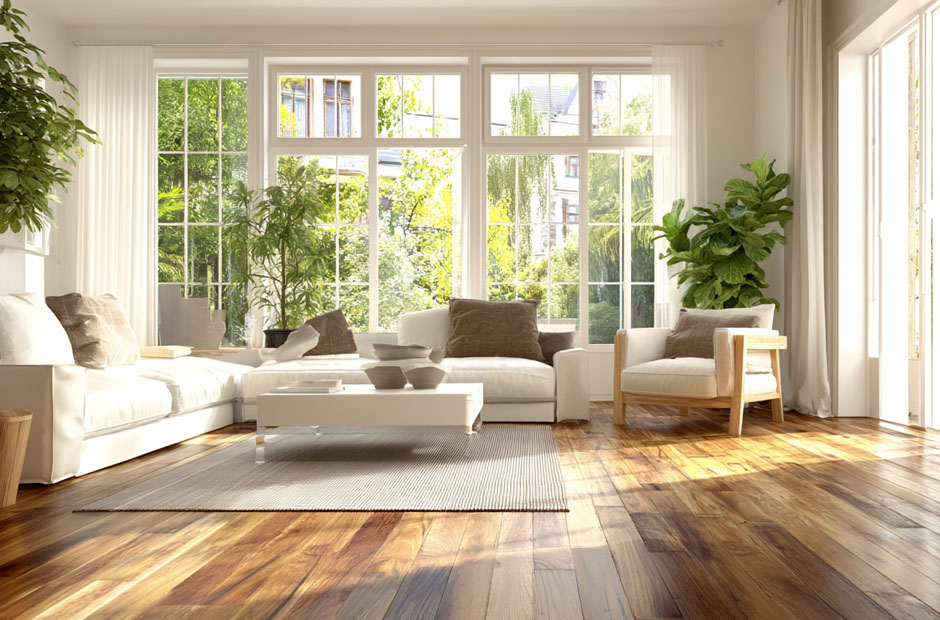
A floor also affects the way light behaves from morning to evening. Natural light bouncing across a surface can make a room feel warmer and larger. Artificial light can either highlight a clean finish or expose flaws, depending on the material and condition. That makes flooring one of the few design choices that keeps influencing a room long after installation is complete.
Why Function Should Lead the Design Choice
It is easy to choose flooring based on appearance alone, but the best results usually come from matching the surface to the room’s actual demands. Moisture exposure, foot traffic, pets, storage needs, and cleaning habits should all shape the decision. A beautiful floor that does not fit the lifestyle of space can lose its appeal quickly.
This is where many homeowners make avoidable mistakes. They focus on samples without thinking about the full setting. A basement floor has different requirements than a bedroom. A garage has different expectations than a dining room. The right material is the one that still looks appropriate after months of real use, not just on installation day.
That approach also helps create visual consistency throughout the house. Even when different materials are used from room to room, they should feel connected in tone and purpose. The result is a home that feels easier to move through and easier to maintain.
The Floor Is Not Background
Flooring is often treated as background, but it is one of the strongest signals a room sends. It influences mood, maintenance, movement, and design clarity all at once. It can make a practical space feel finished and a finished space feel more valuable in daily life.
When homeowners start with the floor instead of leaving it for last, they often make better choices across the rest of the room. Furniture placement becomes easier. Color selections become clearer. Storage decisions feel more intentional. The entire space gains a stronger foundation, both visually and functionally.
That is why floors set the mood first. Everything else builds from there.