A rising electricity bill in the middle of summer can feel like a warning sign that something is off. According to the U.S. Department of Energy, heating and cooling make up about 43 percent of energy use in a typical home. Older air conditioning units tend to consume more power while delivering less comfort, which adds unnecessary strain on both your system and your budget.
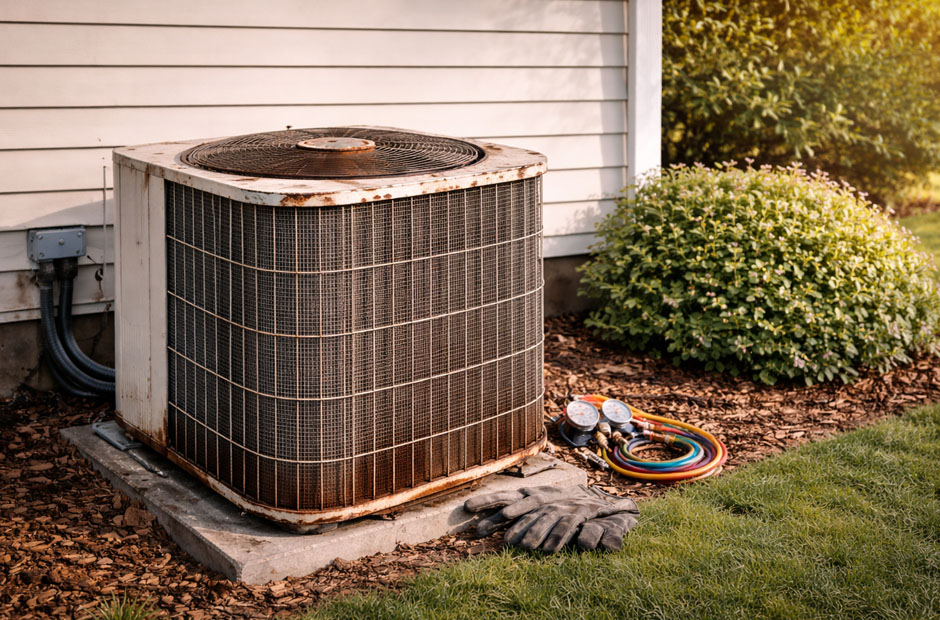
Replacing an outdated unit can bring noticeable improvements in efficiency and comfort. Many homeowners now explore options like an AC replacement service to address these concerns before they escalate. This article looks at how modern systems help reduce energy use and why upgrading at the right time can make a meaningful difference in long-term savings.
Better Efficiency With Modern Technology
New air conditioning systems are designed to use less energy while delivering consistent cooling. Older units often run longer cycles, which increases electricity consumption. Updated models use advanced compressors and smart controls to maintain temperature without overworking the system.
Key improvements include
- Variable speed motors that adjust output based on need
- Improved refrigerants that support efficient cooling
- Smart thermostats that reduce unnecessary operation
These features allow newer systems to maintain comfort with less effort, which directly impacts energy savings over time.
Lower Monthly Energy Bills
A noticeable drop in utility bills is one of the first benefits homeowners experience after replacing an old unit. Outdated systems consume more electricity because they struggle to keep up with cooling demands. This inefficiency leads to higher costs month after month.
New systems operate with improved energy ratings, which means they require less power to achieve the same results. Over time, these savings can offset the initial investment. Paying attention to energy performance ratings helps in choosing a system that supports long-term cost control. Homeowners can also review current energy rates when estimating how much they may save after upgrading an inefficient cooling system. Comparing expected energy consumption with ongoing utility costs can make it easier to understand the long-term financial benefits of a more efficient unit.
Consistent Cooling Across Living Spaces
Uneven cooling is a common issue with older air conditioners. Some rooms feel too warm while others become too cold, which leads to discomfort. This imbalance usually happens because older systems cannot regulate airflow effectively.
Modern units distribute air evenly throughout the home. Better airflow control ensures each room maintains a stable temperature. This consistency reduces the need for constant adjustments, which helps the system run more efficiently and saves energy in the process.
Reduced Strain on Electrical Systems
Old AC units tend to place extra demand on your home’s electrical system. Frequent cycling and longer run times increase the load, which may lead to wear on electrical components. This added pressure can shorten the lifespan of both the AC unit and connected systems.
Newer models operate with greater precision and reduced power draw. This lowers stress on electrical wiring and improves overall system stability. A well-matched system works efficiently without placing unnecessary strain on other parts of the home.
Smart Controls Help Manage Energy Use
Modern systems include smart features that give better control over energy use. Homeowners can adjust settings based on daily routines, which reduces unnecessary cooling.
Practical ways smart systems help
Scheduled cooling cycles, remote access through mobile apps, and automatic adjustments during peak hours improve efficiency. These small changes help maintain comfort while keeping energy use steady and manageable.
How professional expertise makes a difference
- Accurate system sizing based on home requirements
- Proper installation that supports efficient performance
- Guidance on selecting energy-efficient models
- Routine checks that help maintain system reliability
Energy savings become clearer once an outdated system is replaced with a modern unit. Better efficiency, steady cooling, and reduced electrical strain all support improved performance. Smart controls add convenience while helping manage daily energy use. Choosing the right time to upgrade supports long-term comfort and balanced indoor conditions.