Every business, no matter its size, needs a reliable way to store its products, tools, or materials. Whether you run a retail shop, a construction company, or an online store, having the right storage solution can make a big difference in how smoothly your operations run. Poor storage can lead to damaged goods, lost inventory, and wasted time, problems no business can afford.
As businesses grow, their storage needs often change. What worked in the beginning may no longer be enough. Limited space, rising costs, and the need for better organization push business owners to rethink how they manage storage. Today, there are more options than ever, from traditional warehouses to portable units and container-based solutions.
Choosing the right option isn’t just about space. It’s about efficiency, cost, and long-term flexibility. Before making a decision, it’s important to understand exactly what your business needs and how different storage solutions can meet those needs.
Assess Your Business Storage Needs
The first step in choosing the right storage solution is understanding what your business truly requires. Not all businesses have the same needs, so taking the time to evaluate your situation can save you money and hassle later.
Start by asking a few key questions. What kind of items are you storing? Are they small and lightweight, or large and heavy? Do they require special conditions, like temperature control or extra security? Also, consider how much space you need now and how much you might need in the future.
Another important factor is whether your storage needs are temporary or long-term. Some businesses only need extra space during busy seasons, while others require a permanent solution. Flexibility can be a major advantage here.
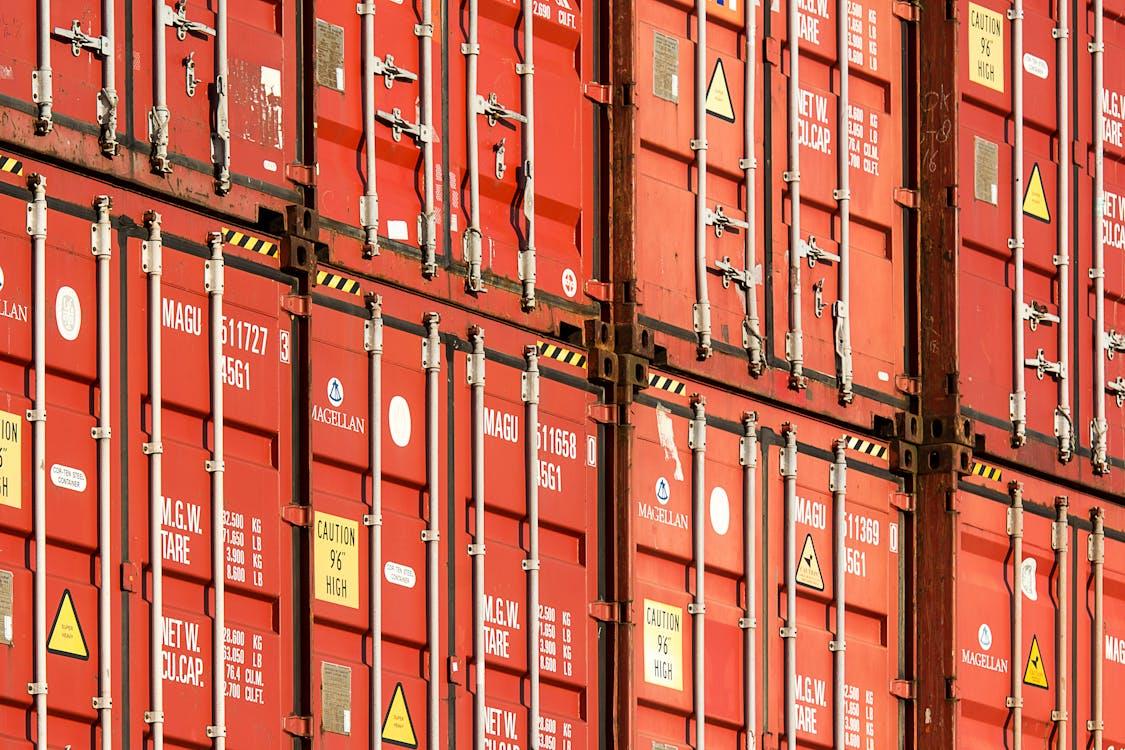
For businesses looking for durable and adaptable options, they can choose to buy shipping containers because they offer strong, weather-resistant storage that can be used on-site or transported as needed. These containers are built to handle tough conditions, making them a practical choice for industries like construction, logistics, and retail.
By clearly understanding your needs, you’ll be in a much better position to choose a solution that supports your daily operations and future growth.
Explore Different Types of Storage Solutions
Once you know what you need, it’s time to look at the different storage options available. Each type has its own benefits and drawbacks, so it’s important to compare them carefully.
Traditional warehouses are a common choice for larger businesses. They offer plenty of space and can handle high volumes of inventory. However, they can be expensive and may require long-term contracts.
Self-storage units are a more affordable option for small businesses. They are easy to access and don’t require a big commitment, but they may not offer enough space for growing operations.
Portable storage units provide flexibility, allowing businesses to move storage where it’s needed. They are useful for temporary projects or businesses that operate in multiple locations.
Shipping containers have become increasingly popular because they are durable, secure, and versatile. They can be placed on-site, used for transport, or even modified for specific business needs.
For businesses dealing with sensitive goods, climate-controlled storage is another option. This ensures that temperature and humidity levels stay consistent, protecting items from damage.
Consider Location and Accessibility
Where your storage is located can have a big impact on your business. If your storage is too far away, it can slow down operations and increase transportation costs.
On-site storage offers the convenience of immediate access. Employees can quickly retrieve items without needing to travel, which can save time and improve efficiency. This is especially useful for businesses that need frequent access to their inventory.
Off-site storage, on the other hand, can be more cost-effective, especially in areas where space is limited. However, it requires careful planning to ensure that items can be accessed when needed.
Accessibility is just as important as location. Make sure the storage space is easy to reach for both employees and delivery vehicles. Consider factors like parking, loading areas, and operating hours.
Evaluate Security Features
Protecting your inventory should always be a priority. Theft, damage, and unauthorized access can lead to serious losses, so it’s important to choose a storage solution with strong security features.
Look for options that include secure locks, surveillance cameras, and controlled access points. Some facilities also offer on-site staff or security patrols for added protection.
If you’re using on-site storage, consider adding your own security measures, such as alarm systems or additional lighting. Taking these steps can help reduce risks and give you peace of mind.
Budget and Cost Efficiency
Cost is always a key factor when choosing a storage solution. It’s important to look beyond the initial price and consider the long-term value.
Renting storage space may seem more affordable at first, but costs can add up over time. Owning a storage solution, like a container, may require a larger upfront investment but can save money in the long run.
Don’t forget to account for hidden costs, such as maintenance, transportation, and insurance. These expenses can impact your overall budget.
The goal is to find a solution that offers the best balance between cost and functionality. A slightly higher investment upfront can often lead to greater savings and efficiency over time.
Flexibility and Scalability
Your business is likely to grow, and your storage solution should be able to grow with it. Choosing a flexible option can help you avoid the need for frequent changes.
Some businesses experience seasonal changes in demand, requiring more storage at certain times of the year. Others may expand into new markets or add new products.
Solutions like modular storage units or containers can be easily expanded or adjusted as needed. This makes them a practical choice for businesses that expect growth.
Avoid choosing a solution that limits your ability to scale. Planning ahead can save you time, money, and stress in the future.
Maintenance and Durability
A good storage solution should be built to last. Durability is especially important if your storage will be exposed to weather or heavy use.
Look for materials that can withstand harsh conditions, such as steel or reinforced structures. Regular maintenance is also important to keep your storage in good condition.
Some options require more upkeep than others, so consider how much time and effort you’re willing to invest. Choosing a durable solution can help protect your inventory and reduce repair costs over time.
Choosing the right storage solution is an important decision that can have a lasting impact on your business. The right choice can improve efficiency, reduce costs, and make daily operations much easier.
By understanding your needs, exploring your options, and planning for the future, you can find a solution that works for you. Whether you need a simple storage space or a more flexible and durable option, taking the time to choose wisely will pay off in the long run.
With the right approach, your storage solution can become a valuable part of your business’s success.