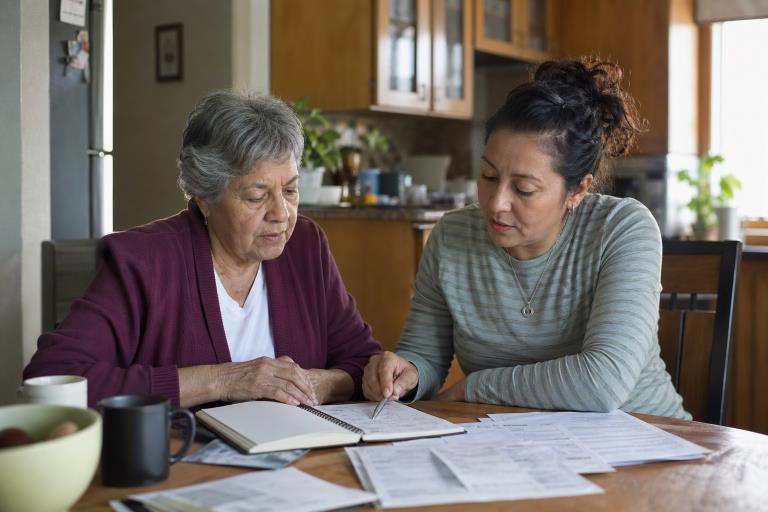
Protecting an older relative does not mean taking over their life. The best family plans preserve personal routines, favorite foods, social outings, and the freedom to make everyday decisions while adding practical support where it is genuinely needed. Stories involving complicated family dynamics, such as Claudette Spinelli Schwartz, are reminders that financial comfort alone does not guarantee safety, trust, or respectful care.
A thoughtful approach begins before a crisis. Whether an older adult lives nearby, enjoys traveling to see family, or prefers to remain active in their own community, relatives can work together to protect their health, finances, dignity, and connection without treating age as a reason to take away their control.
Why Early Planning Matters
Planning works best when everyone still has time to think clearly. A family should review health care preferences, housing goals, transportation options, legal documents, finances, and social support before a fall, diagnosis, sudden move, or loss creates pressure. Include practical lifestyle questions, too: Who can help with grocery shopping? Which restaurants or community meals make socializing easier? What travel arrangements are comfortable for visiting relatives or taking a favorite annual trip?
Review the plan after major changes, including hospitalization, divorce, a death in the family, a change in income, or a move. Written notes reduce misunderstandings and help relatives support the person’s actual wishes rather than guessing.
Protecting Independence and Choice
Independence is not an all-or-nothing condition. Someone may need help managing a prescription refill or booking airline assistance while remaining fully capable of choosing where to live, what to cook, how to spend a weekend, and whom to see. Ask before stepping in with appointments, purchases, passwords, or personal information.
Use Support That Can Grow Gradually
- Create a shared calendar for appointments, family dinners, grocery deliveries, and travel dates.
- Keep written preferences for food needs, emergency contacts, transportation, and medical care.
- Offer choices, such as a ride to the farmers market or help ordering groceries online, instead of assuming a task must be taken away.
- Reassess support when needs change, rather than imposing permanent restrictions after one difficult week.
Building Simple Financial Safeguards
Financial protections should make life easier, not leave an older adult feeling watched. The Money Smart for Older Adults materials can help families discuss scam prevention, safer money management, and the responsibilities involved in financial caregiving.
Set a monthly time to review bank statements, bills, insurance payments, subscriptions, and unfamiliar charges. Account alerts can flag large withdrawals, new payees, wire transfers, or changes to contact details. Whenever possible, the older adult should retain control of cards, passwords, and important papers. Put loans, gifts, shared household costs, and property arrangements in writing, even when everyone gets along. A power of attorney should be chosen carefully, understood clearly, and reviewed whenever circumstances change.
Warning Signs Families Should Notice
A well-functioning pool pump produces a steady sound, whereas unusual noises such as grinding, rattling, or gurgling indicate potential issues with motor bearings, loose components, or low water levels. Concerns such as a humming motor that fails to circulate water or recurring breaker trips should be addressed by professionals. Safety measures include turning off equipment before maintenance and avoiding work on pressurized filters, electrical panels, or gas heaters without proper training.
Creating Healthy Caregiver Oversight
Establishing clear expectations with caregivers, whether relatives, friends, or paid services, is essential. Inquire about their training, supervision, and handling of missed visits or complaints. Maintain a written schedule and task list that outlines various duties, such as personal care and transportation. Utilize a shared care log to monitor appointments, medications, and other needs. Additionally, relatives should engage in regular private contact with the older adult to encourage open communication without making visits feel like a scrutiny.
Making Family Conversations Easier
Begin with curiosity instead of accusation. Try questions such as, “What would help you feel more comfortable at home?” “Which tasks would you like support with?” “Who should be involved if an urgent decision is needed?” and “How can we help without taking away your choices?”
Family meetings can prevent one person from becoming overwhelmed and can make responsibilities visible. Record who will handle transportation, meal support, paperwork, check-ins, and follow-up dates. Clear roles reduce resentment and make it less likely that important details will be missed.
What to Do When Concerns Appear
If something feels wrong, act steadily and focus on facts. Information about common signs of elder abuse can help long-distance and local families recognize possible mistreatment and identify appropriate next steps.
- Check immediate safety.Call emergency services if there is an urgent danger.
- Listen carefully.Let the older adult speak privately, without pressure or blame.
- Document facts.Save dates, messages, account activity, injuries, missed care, and direct statements.
- Protect access.Contact banks, card providers, or relevant institutions if financial exploitation is suspected.
- Seek local help.Consider Adult Protective Services, law enforcement, legal aid, or local aging services when appropriate.
- Follow up.Recheck the situation after a report, intervention, or change in care.
A 2026 Safety Checklist
- Review emergency contacts, health preferences, medications, allergies, and doctor information.
- Confirm that wills, trusts, powers of attorney, and beneficiary selections reflect current wishes.
- Turn on account alerts and remove unused subscriptions or automatic payments.
- Store key documents safely while ensuring the older adult can access them.
- Check the home for fall risks, poor lighting, unsafe entry points, and spoiled food.
- Set a regular family check-in schedule and update the shared care log.
- Review transportation plans for appointments, errands, social meals, and travel.
- Revisit the full plan at least once a year and after major life changes.
Final Thoughts
A safer aging plan does not need to be complicated. It depends on honest conversations, consistent attention, and respect for the person at the center of every decision. Small steps can protect finances and health while preserving the pleasures that make life meaningful, including familiar meals, community connections, and the freedom to go where they want to go.