A clean and inviting swimming pool depends on more than regular cleaning and chemical balancing. One of the most important pieces of equipment responsible for maintaining healthy water is the pump. Choosing the right above-ground pool pump plays a significant role in ensuring consistent water movement throughout the pool. An efficient pump helps distribute chemicals evenly, supports filtration, and prevents stagnant areas where contaminants can accumulate. Understanding how these pumps work and the benefits they provide can help pool owners maintain cleaner, healthier water while extending the life of their pool equipment.
Understanding the Role of an Above-Ground Pool Pump
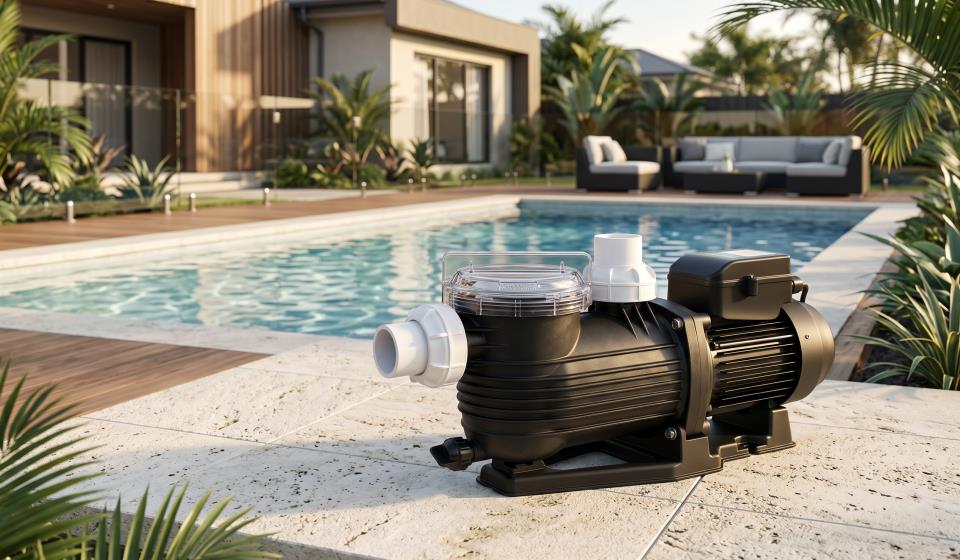
A pool pump serves as the heart of the circulation system. It pulls water from the pool through skimmers and suction lines before passing it through the filter. Once impurities are removed, the clean water is returned to the pool through the return jets.
This constant movement prevents dirt, leaves, insects, and microscopic contaminants from settling for extended periods. Instead of allowing debris to collect in corners or on the pool floor, circulating water keeps particles suspended until the filtration system removes them.
Why Water Circulation Matters
Proper water circulation is essential because stagnant water creates ideal conditions for algae growth and bacterial development. Even if sanitising chemicals are added regularly, they cannot perform efficiently unless they are evenly distributed throughout the pool.
Good circulation also prevents temperature variations across different areas of the pool. A reliable circulation system ultimately supports every other aspect of pool maintenance, making cleaning routines simpler and more effective.
How Above-Ground Pool Pumps Improve Water Circulation
Creates Continuous Water Movement
An efficient pump keeps water moving throughout the day, ensuring there are no stagnant sections where debris or contaminants can settle. Continuous circulation allows the entire volume of water to pass through the filtration system repeatedly, improving overall cleanliness.
Enhances Filtration Performance
The effectiveness of a pool filter depends largely on the pump supplying a steady flow of water. If circulation is weak, the filter cannot remove contaminants efficiently, resulting in cloudy water and increased maintenance.
A properly sized pump maintains the ideal flow rate for the filtration system, enabling it to capture dirt, fine particles, and organic matter before they become larger problems.
Supports Even Chemical Distribution
Pool chemicals work best when they are evenly dispersed throughout the water. Without sufficient circulation, some sections may receive too much sanitiser while others receive very little.
A quality pump continuously mixes the water, allowing chlorine, salt treatments, balancing agents, and other chemicals to spread evenly.
Reduces Algae Growth
Algae thrive in still water where circulation is poor. Dead spots behind ladders, around corners, or near pool walls often become breeding grounds when water movement is limited.
Strong circulation reduces these stagnant areas, making it much more difficult for algae to establish themselves. Combined with regular filtration and proper sanitisation, a reliable pump significantly lowers the risk of algae outbreaks.
Improves Water Clarity
Cloudy water often results from suspended particles that are not being filtered efficiently. Effective circulation continuously moves these particles through the filter until they are removed.
As water passes through multiple filtration cycles each day, visibility improves, and the pool develops a brighter, cleaner appearance that enhances the overall swimming experience.
How Proper Installation Maximises Pool Pump Efficiency
Even the highest quality pump cannot perform effectively if it is installed incorrectly. Proper placement, secure plumbing connections, and suitable pipe sizing all contribute to maintaining steady water flow.
Correct installation also minimises air leaks, pressure loss, and unnecessary wear on internal components. Working with an experienced pool builder in Bendigo can recommend compatible systems that operate efficiently together and support long-term pool performance.
Conclusion
Water circulation forms the foundation of every well-maintained swimming pool. A dependable above-ground pool pump keeps water moving continuously, supports effective filtration, distributes chemicals evenly, and helps prevent algae growth. These combined benefits result in cleaner water, improved swimmer comfort, and reduced maintenance throughout the year. Investing in an efficient circulation system ensures that the entire pool remains healthier, clearer, and more enjoyable while protecting the lifespan of valuable pool equipment.
Frequently Asked Questions
How does an above-ground pool pump improve water circulation?
A pool pump continuously moves water through the filtration system, removing contaminants and distributing treated water evenly throughout the pool.
Can poor circulation cause cloudy pool water?
Yes. Insufficient circulation reduces filtration efficiency, allowing dirt and fine particles to remain suspended, which often results in cloudy water.
Does proper circulation help reduce algae growth?
Yes. Continuous water movement prevents stagnant areas where algae commonly develop, making chemical treatments more effective.
What signs indicate a pool pump is not working efficiently?
Reduced water flow, unusual noises, cloudy water, air bubbles, and higher energy consumption are common indicators of pump performance issues.
Why is pump size important for an above-ground pool?
A correctly sized pump provides balanced water flow, supports efficient filtration, and prevents unnecessary energy consumption or excessive equipment wear.